






A Partnership Takes Flight
In a significant move to boost inbound tourism, Air India and India's Ministry of Tourism have signed a Memorandum of Understanding (MoU) to jointly promote India as a premier global destination. Announced on July 27, 2026, this formal collaboration establishes
a strategic framework to align the airline's expanding international network with the ministry's 'Incredible India' branding efforts. The partnership makes Air India the first global airline to officially partner with the ministry, a move aimed at enhancing India's visibility and positioning the nation as a key aviation and transit hub. The collaboration will focus on several key areas, including co-branded marketing campaigns, destination storytelling, engaging with the global travel trade, and developing transit tourism.
The Maharaja's Expanding Kingdom
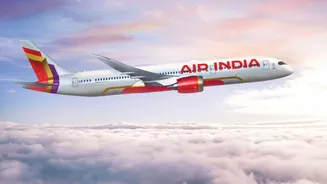
This strategic alliance comes as Air India, under the ownership of the Tata Group, undergoes a massive transformation. Central to this overhaul is a historic order for 470 new aircraft from Airbus and Boeing, designed to modernise the fleet and significantly increase capacity on long-haul routes. While the airline has recently made some temporary adjustments to its schedule due to fuel costs and airspace restrictions, the long-term vision remains ambitious. Tata Sons Chairman N. Chandrasekaran has stated the commitment is to give India a world-class carrier that connects it to the globe with pride. Already, Air India serves 40 international destinations across five continents, and through codeshare and interline partnerships, connects India to over 1,000 destinations worldwide. This growing footprint is the essential foundation upon which the tourism partnership is built.
More Than Just a Flight
A national carrier is often the first and last impression a tourist has of a country. Recognizing this, the partnership aims to weave the 'Incredible India' brand into the entire passenger journey. This includes co-branded content across digital platforms, social media, and crucially, on Air India's in-flight entertainment systems. The goal is to turn every flight into an invitation, showcasing India's diverse cultural, heritage, and natural attractions to millions of passengers. As Nipun Aggarwal, Air India's Chief Commercial Officer, noted, the airline has a unique responsibility to serve as an ambassador for a 'new India' that is confident and welcoming. This involves not just showing advertisements, but actively collaborating with state tourism boards to highlight specific destinations and support local tourism initiatives.
Unlocking the Transit Tourism Opportunity
One of the most strategic elements of the agreement is the focus on transit and stopover tourism. For years, hubs in the Middle East and Southeast Asia have successfully converted connecting passengers into short-stay tourists. With Air India building up Delhi and Mumbai as major international gateways, the new partnership will explicitly target this market. The plan involves developing dedicated stopover programs that encourage travelers who are merely passing through to spend a day or two exploring the country. This could involve special offers, simplified visa processes, and curated experiences, transforming a layover into a mini-vacation and opening a new revenue stream for the tourism industry. The ministry and airline will also explore linking these offers to the Maharaja Club loyalty program.
The Economic Jetstream
The synergy between a national airline and a national tourism strategy can have a profound economic impact. Direct flights reduce travel time and cost, making a destination more appealing to both leisure and business travelers. For India, which has long aimed to increase its share of global tourism, this partnership is a critical piece of the puzzle. By leveraging Air India's growing network, the 'Incredible India' campaign can reach new and underserved source markets more effectively. The collaboration will see joint participation in international tourism exhibitions and roadshows, presenting a unified front to global tour operators and travel agents. This coordinated effort is designed to drive higher international arrivals, create jobs, and stimulate investment in hospitality and infrastructure.