



What are 'Talking' Cars?
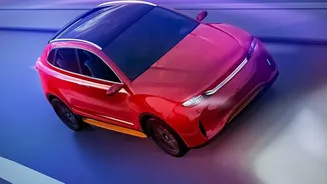
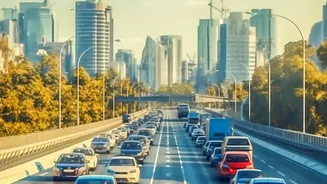
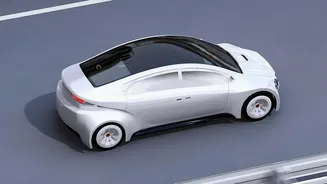
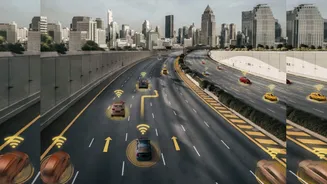
Vehicle-to-Vehicle (V2V) communication is a technology that allows cars, trucks, and even two-wheelers to wirelessly exchange information with one another in real-time. This isn't about streaming music or making calls; it's about broadcasting a constant
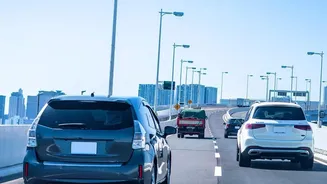
stream of essential safety data, such as speed, location, direction, and braking status. Unlike cameras or radars, which are limited by line-of-sight, V2V technology can 'see' around corners and through traffic. If a car several vehicles ahead slams on its brakes, your vehicle gets an instant alert, giving you or its automated safety systems crucial extra time to react and prevent a collision.
India's Push for Connected Roads
The Ministry of Road Transport and Highways (MoRTH) has proposed a significant step to improve road safety, which globally sees some of the highest fatality numbers in India. A draft notification issued in August 2026 outlines a plan to make V2V communication systems mandatory for all new vehicles—including two-wheelers (Category L), passenger vehicles (Category M), and commercial trucks (Category N)—starting from October 1, 2028. This move follows a phased approach, with a standardisation deadline set a year earlier. This signals a clear intent to leverage technology to tackle the nation's road safety challenges.
The Crucial Role of a National Standard
For this system to work, every vehicle must speak the same language. Without a unified standard, V2V technology would become a digital Tower of Babel, with vehicles from different manufacturers unable to communicate. This is why the government's proposal is built around a new standard, AIS-230. This standard specifies the technical, performance, and cybersecurity requirements for the On-Board Units (OBUs) that will be factory-fitted in vehicles. It mandates the use of Cellular Vehicle-to-Everything (C-V2X) technology, which operates on a specific, license-exempt radio frequency band (5.9 GHz) dedicated to ensuring reliable and low-latency communication for safety applications.
Beyond Safety: The Broader Benefits
While preventing accidents is the primary driver, the benefits of a connected vehicle ecosystem extend much further. This technology can significantly reduce traffic congestion by enabling smarter traffic flow and providing real-time data to traffic management systems. This, in turn, can lead to lower fuel consumption and reduced carbon emissions. V2V communication is also a foundational building block for Vehicle-to-Everything (V2X) technology, which allows cars to communicate with road infrastructure like traffic lights (V2I), pedestrians (V2P), and the wider network (V2N), paving the way for future intelligent transport systems and autonomous driving.
The Road Ahead: Challenges and Opportunities
Implementing such a transformative technology is not without its challenges. The cost of the mandatory hardware, estimated at around ₹5,000 to ₹7,000 per vehicle, will be a key consideration for manufacturers and consumers, especially in the cost-sensitive entry-level segments. Cybersecurity is another paramount concern; ensuring that these communication systems are secure from malicious attacks is non-negotiable. Furthermore, the system's effectiveness will grow over time as more V2V-equipped vehicles join the fleet, meaning a long transition period where new and old vehicles will coexist. However, the mandate also presents a massive opportunity for India's automotive and tech industries to localise development and manufacturing of V2V components, aligning with national manufacturing goals.