



Have you ever wanted to name a spacecraft? The UK Space Agency is offering a rare chance to do just that, but time is running out. It has set a December deadline for a public competition to name its first-ever national space mission.
An Orbital Cleanup Crew
The mission at the
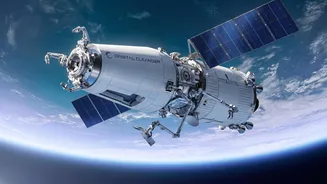
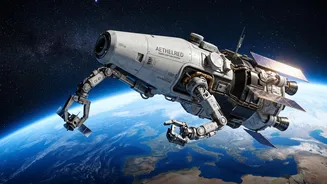
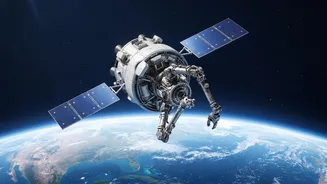
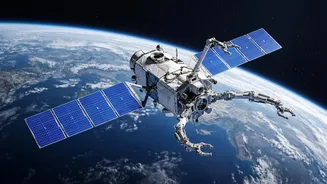
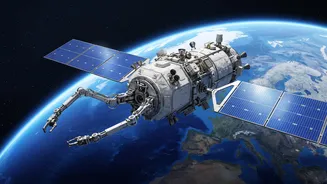
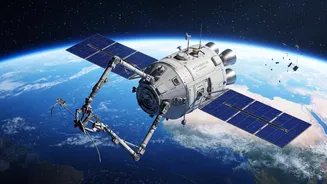
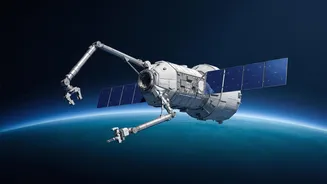
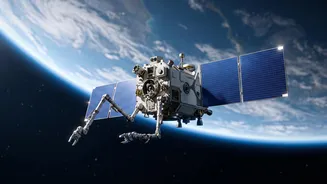
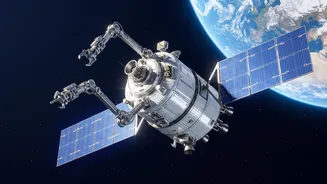
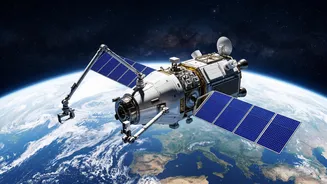
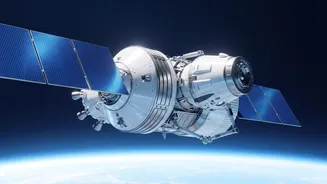
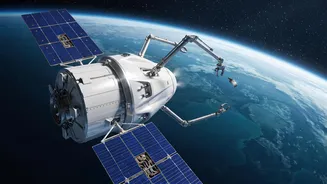
heart of the contest is the UK's first Active Debris Removal (ADR) mission. This pioneering project aims to tackle the growing problem of space junk. A specially designed spacecraft will launch, navigate to two defunct satellites currently orbiting Earth, and capture them. Once secured, it will guide them back towards the atmosphere where they will safely burn up, helping to clean the orbital environment that is crucial for the thousands of satellites we rely on for everything from mobile phone signals to weather forecasting. The spacecraft, being built by ClearSpace UK, will feature advanced robotics and will be a major step in making space more sustainable.
Why Ask The Public?
This isn't the first time a space agency has turned to the public for naming inspiration. Competitions like this are a powerful way to generate engagement and get people excited about the science and technology behind space exploration. It fosters a sense of collective ownership and pride in national achievements. NASA has previously held similar contests for its Mars rovers, resulting in now-famous names like 'Curiosity' and 'Perseverance'. The UK Space Agency itself previously ran a contest to name the ExoMars rover. By inviting suggestions, the agency hopes to find a name that is not only memorable but also reflects the mission’s theme of creating a safer and cleaner future in space for generations to come.
How You Can Participate
The competition is open to UK residents, but its global significance has captured worldwide interest. Entries must be submitted online via the UK Space Agency's official website by 5:00 pm GMT on December 10, 2026. Submissions should include a proposed name of no more than two words (or an acronym) and a brief explanation of up to 150 words detailing why the name is a good fit. While there's no age limit, entries for those under 18 must be submitted by a parent, guardian, or teacher. The agency is looking for names that are easy to pronounce, work internationally, and are politically neutral. Suggestions based on military themes, commercial brands, or existing trademarks are to be avoided.
What Makes a Winning Name?
Inspiration can come from anywhere: mythology, science, or literature. The UK's recent military satellites, for example, have been named after Shakespearean and classical characters like Titania, Oberon, and Juno. The agency has pointed to past examples like NASA's 'Mercury' program or British astronaut Tim Peake's 'Principia' mission as names that successfully reflect scientific heritage. The goal is to find a name that captures the spirit of this unique 'celestial bin lorry'. The winner won't just get bragging rights; their chosen name will be etched onto the side of the spacecraft itself and featured on the official mission patch. They will also receive a framed certificate signed by the UK's Space Minister and the agency's director.
The UK's Growing Space Ambitions
This mission, backed by over £60 million in government funding, is more than just a cleanup operation; it's a statement of intent. The UK is positioning itself as a leader in the rapidly growing field of in-orbit servicing and space sustainability. With plans for the mission to launch from the SaxaVord Spaceport in Scotland around 2029, it marks a significant milestone in developing a national space capability that goes from design and build to launch and operation. As the space around Earth becomes increasingly congested, with tens of thousands of satellites expected to be in orbit by 2030, missions like this are becoming essential to protect vital infrastructure and ensure future exploration is possible.