







The Great Generational Divide
The reasons for this dietary shift are complex. Urbanization, fast-paced lifestyles, and the powerful marketing of global fast-food chains and processed meals have reshaped preferences. For many young people, convenience often wins over the elaborate
preparation required for many traditional dishes. With the rise of nuclear families and solo living, the intergenerational transfer of culinary knowledge—recipes once learned by watching and tasting—is eroding. Aspirational eating also plays a role, with Western or non-local foods sometimes perceived as more modern or prestigious. Studies show that while traditional foods are still consumed, many adolescents are keen to switch to non-local options, especially for snacks and drinks, as their spending power increases. This is not just a change in taste; it's a fundamental change in lifestyle and cultural transmission.
More Than Just a Meal Is Lost
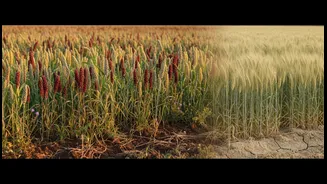
When a local recipe disappears, it takes an entire ecosystem with it. Each traditional dish is a library of information about a specific climate, local agriculture, and nutritional wisdom. The shift towards a handful of globally dominant crops like high-yield rice and wheat leads to a staggering loss of biodiversity. India, once home to over 100,000 varieties of rice, has seen many unique, climate-resilient strains vanish. These indigenous crops, from millets to local gourds and wild greens, are often more nutritious and better adapted to their specific environments. Their disappearance contributes to what experts call 'hidden hunger'—a lack of essential micronutrients despite sufficient calorie intake. The knowledge associated with these foods, from farming techniques to medicinal uses, also faces extinction. This erosion of traditional ecological knowledge is a major concern for future food security.
The Race to Document and Preserve
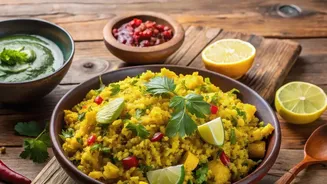
This growing disconnect has created an urgent deadline for researchers, historians, and food activists. Across India, a small army of people are racing against time to document and preserve this fading culinary heritage before it's lost forever. Projects like the 'Forgotten Food' initiative in Chennai are tracing ingredients like elephant tusk okra, creating digital portfolios and interviewing community elders to recover lost knowledge. In Rampur, a historian is delving into old manuscripts to rediscover dozens of variations of a single pulao recipe, whose original ingredients now exist only in the memory of the older generation. This work isn't just about nostalgia; it is a form of cultural and ecological recovery. The goal is to create well-documented archives and community seed banks to save the vast diversity of India's indigenous produce.
A Glimmer of Hope on the Plate
Despite the dominant trend, there are encouraging signs of a counter-movement. A growing number of chefs, home cooks, and entrepreneurs are working to revive and popularize regional cuisines. Some young people living away from home are turning to family recipes, not just for comfort, but as a way to connect with their identity. The wellness movement has also sparked renewed interest in traditional grains like millets, which are being recognized for their health benefits and climate resilience. Initiatives across the country are helping farmers bring back traditional crops and creating value chains to make them accessible. These efforts prove that traditional foods are not merely relics; they can be adapted for modern lifestyles, offering both health and sustainability. This revival is about finding a balance, mixing tradition with a modern understanding of nutrition and mindful living.