


The Headline-Grabbing Ranking
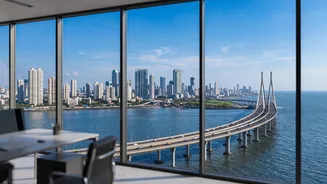
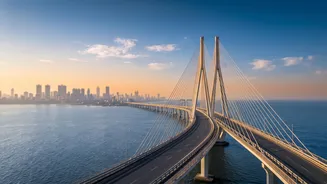
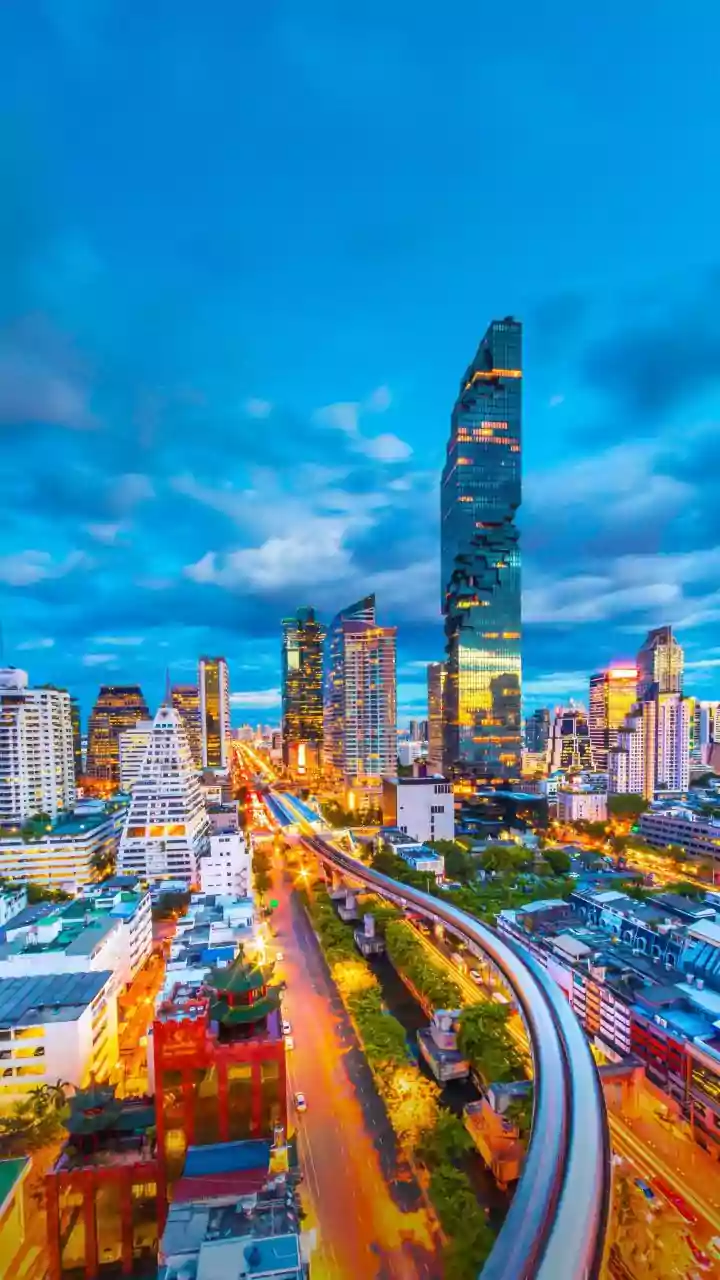
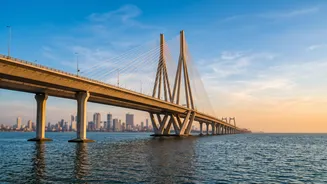
In August 2026, Mumbai made its debut in the fourth edition of IWG’s 'Work from Anywhere Index,' becoming the only Indian city to be featured among the world's leading destinations for combining work and travel. The city found itself in the company of global
hotspots like Bangkok, Tokyo, and Barcelona. The index evaluated cities on a range of criteria, including climate, broadband speed, transport affordability, and the availability of flexible workspaces. Mumbai scored a total of 77, placing it ahead of major hubs like London and Miami. Its high scores were attributed to affordable transport, a growing number of flexible office options, and its climate. This recognition speaks to a larger global trend where nearly half of all workers plan to add remote work days to their holidays in 2026.
What Mumbai Gets Right
The ranking isn't just a fluke. Mumbai's inclusion points to tangible strengths that make it an increasingly viable option for digital nomads. India, as a whole, has seen a massive improvement in its digital infrastructure, with widespread high-speed 5G and fiber internet becoming the norm in Tier-1 and Tier-2 cities. For less than $10 a month, a remote worker can get a mobile plan with ample data, which was unthinkable a decade ago. Furthermore, India now leads the world in its 'flex maturity' for office spaces, with Mumbai being a primary hub. The city offers a dense network of coworking spaces that provide reliable internet and professional environments for a fraction of the cost in Western countries. Add to this a vibrant cultural scene, a world-renowned culinary landscape, and unparalleled networking opportunities in India's financial capital, and the appeal becomes clear.
The Reality on the Ground
However, anyone who has navigated Mumbai knows that the glossy brochure version often leaves out the finer print. While the city scores high on transport affordability, it's also infamous for its heavy traffic congestion and crowded local trains, which can make daily commutes exhausting. The cost of living is another double-edged sword. While significantly cheaper than New York or London, Mumbai is India's most expensive city, particularly for housing. A one-bedroom apartment in a central area can be exorbitantly priced by Indian standards. Furthermore, while internet infrastructure has improved, occasional connectivity issues and power cuts are not uncommon, making a reliable backup like a portable Wi-Fi device a necessity. The intense summer heat and monsoon flooding also present practical challenges for daily life and exploration.
Beyond Mumbai: The Bigger Picture for India
While Mumbai takes the international spotlight, it represents a broader trend across India. Cities like Jaipur, Bengaluru, Goa, and Pune have also been growing as hubs for digital nomads, each offering a unique blend of benefits. Jaipur offers cultural immersion at a low cost, while Bengaluru provides a deep tech and startup ecosystem. Goa remains the classic choice for a beachside work-life balance. What this shows is that India is no longer just a destination for backpackers roughing it out; it's a viable option for professionals seeking a high-quality lifestyle at an affordable price point. The country's combination of affordability, improved infrastructure, and cultural richness makes it a formidable contender in the global remote work landscape.