







A Quantum Hub in India's Tech Capital
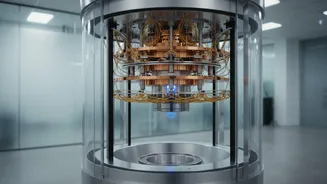
Bengaluru, already the heart of India's IT industry, is now home to a pioneering quantum computing experience centre located at Alliance University's Electronics City campus. Developed in partnership with Bengaluru-based startup QpiAI, the facility, named
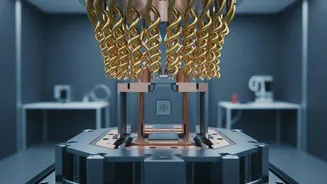
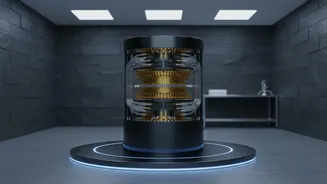
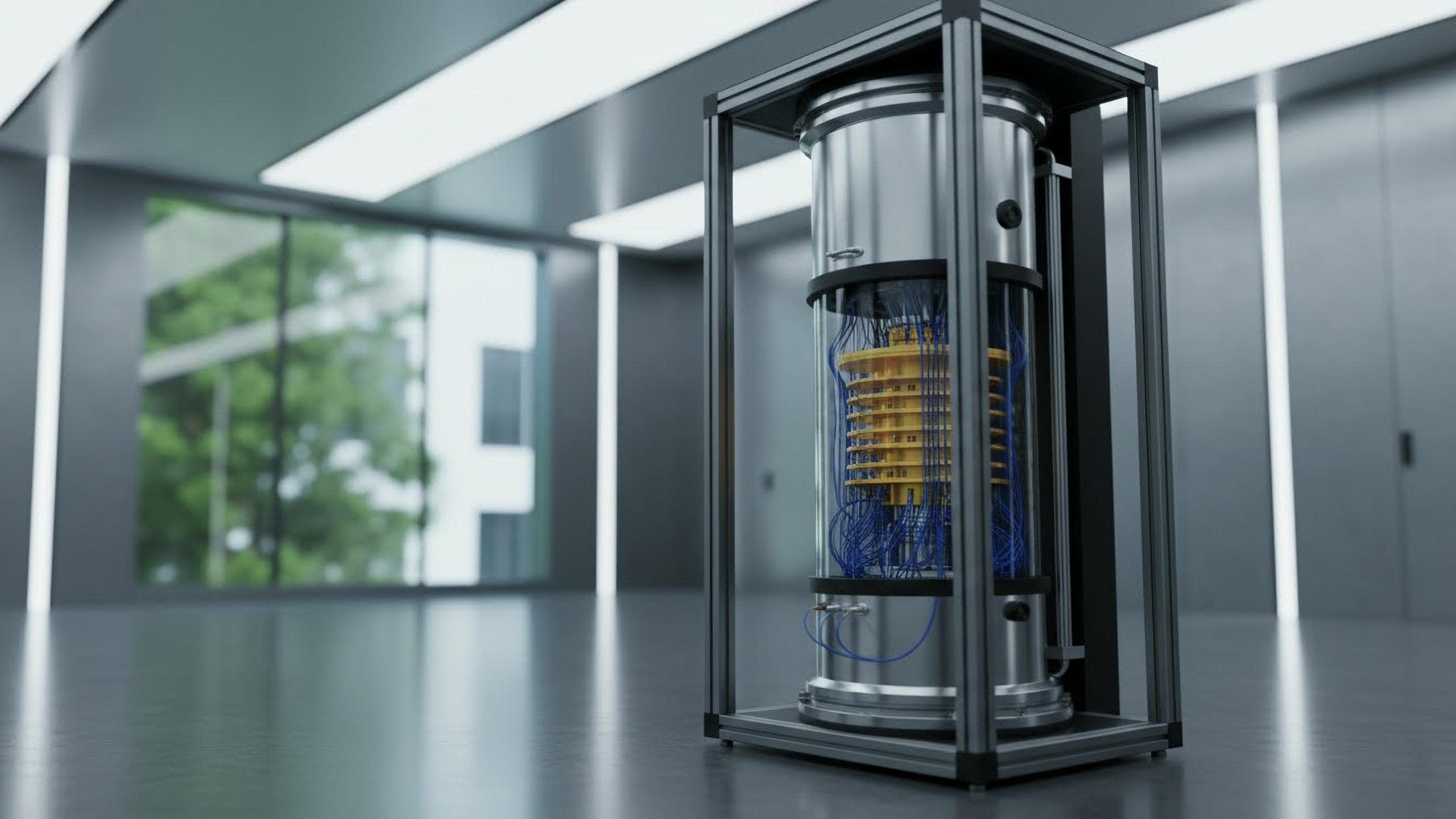
AU-QUASAR, features an 8-qubit superconducting quantum system. What makes this initiative groundbreaking is its focus on providing direct, physical access to quantum hardware. Until now, most researchers and students in India have had to rely on cloud-based simulators, which cannot replicate the nuances of working with real quantum devices. This centre opens its doors to students, academic researchers, and the hundreds of technology companies and startups in the surrounding tech ecosystem, aiming to bridge the gap between theoretical knowledge and practical application.
Demystifying the 8-Qubit Machine
So, what exactly is an 8-qubit computer? In classical computing, information is stored in bits, which can be either a 0 or a 1. Quantum computers use 'qubits', which can exist as a 0, a 1, or both simultaneously due to a principle called superposition. This ability, along with another quantum phenomenon called entanglement, allows quantum computers to process vast amounts of information in parallel. While an 8-qubit system is not powerful enough to break modern encryption, it represents a critical foundational step. It's powerful enough for researchers to run initial algorithms, experiment with quantum machine learning, and simulate simple molecules—tasks that are essential for building expertise. Think of it as the training ground where India's future quantum workforce will learn to design the more complex systems of tomorrow.
Fueling the National Quantum Mission
This Bengaluru centre is a tangible result of the ambitious goals set by India's National Quantum Mission (NQM). Approved in April 2023 with a budget of over ₹6,000 crore, the NQM aims to make India a global leader in quantum technology over the next eight years. The mission's objectives are broad, including the development of quantum computers with 50 to 1,000 qubits, creating secure quantum communication networks across 2,000 kilometres, and building advanced quantum sensors. The NQM operates through four thematic hubs focused on computing, communication, sensing, and materials. By providing hardware access, the new centre directly supports the NQM's core goal of nurturing a vibrant domestic ecosystem for quantum research and development, involving a planned 86 institutions across the country. It helps create the skilled manpower needed to achieve these long-term targets.
Why Hardware Access Is a Game-Changer
Providing hands-on hardware access is arguably the most important feature of this new centre. Working with actual quantum computers is notoriously difficult. Qubits are fragile and highly sensitive to environmental 'noise' like temperature fluctuations and vibrations, which can introduce errors into calculations. Cloud-based simulators cannot fully capture these real-world challenges. By allowing researchers and engineers to grapple directly with these issues, the centre accelerates the learning curve for building more stable and reliable quantum systems. This hands-on experience is vital for developing better control electronics, error-correction algorithms, and the practical know-how to scale up from 8 qubits to the more powerful machines envisioned by the NQM. It empowers a new generation of innovators to move from theory to building real-world quantum applications.
India's Place in the Global Quantum Race
The establishment of this centre is a crucial step in ensuring India is not just a consumer but a creator of next-generation technology. Countries around the world are investing billions in quantum research, understanding its potential to revolutionize fields like medicine, finance, and national security. Quantum computers promise to accelerate drug discovery by simulating molecules, create uncrackable communication channels, and solve complex optimization problems in logistics and climate modeling. While India's 8-qubit system is modest compared to the machines being developed by global tech giants, it signifies a strategic shift towards building sovereign capability. The focus on indigenous technology, as seen with QpiAI building the system, is key to India's long-term goal of becoming self-reliant and a significant player in the unfolding quantum revolution.