





Beetroot: The Vibrant Gut Booster
Often celebrated for its stunning colour, beetroot is a powerhouse for digestive health. It is packed with dietary fibre, which helps prevent constipation and promotes regular bowel movements. Beyond just fibre, beets act as a prebiotic, feeding the beneficial
bacteria in your gut. A healthy gut microbiome is crucial not only for digestion but also for a strong immune system. Beetroot also contains a compound called betaine, which may support healthy stomach acid levels, aiding in the efficient breakdown of food. Getting more beetroot into your meals is easy. Enjoy it raw by grating it into salads for a sweet, earthy crunch. Roasting brings out its natural sweetness, making it a perfect side dish. You can also blend it into smoothies or use it as a base for vibrant dips like hummus.
Sweet Potato: The Comforting Fibre Source
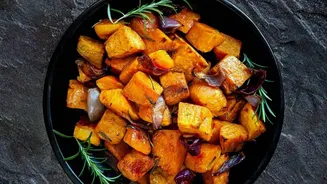
Sweet potatoes are more than just a delicious and comforting food; they are fantastic for your gut. They are an excellent source of dietary fibre, which is essential for a healthy digestive system. What makes them particularly special is their content of resistant starch, especially after they have been cooked and cooled. This type of starch isn't digested in the small intestine. Instead, it travels to the colon where it ferments and feeds the good gut bacteria, which in turn produce beneficial short-chain fatty acids. These compounds help maintain the health of your gut lining. For a simple and flavourful addition to your meals, roast sweet potato cubes with a sprinkle of your favourite spices. Mashed sweet potato makes a great alternative to regular potatoes, and baked sweet potato fries are a healthier, fibre-rich snack. You can even add chunks of cooked sweet potato to salads and grain bowls.
Carrot: The Crunchy Prebiotic
The humble carrot is a true champion for gut health. Carrots provide a fantastic mix of both soluble and insoluble fibre. The insoluble fibre adds bulk and helps keep things moving through your digestive tract, promoting regularity. The soluble fibre, particularly a type called pectin, forms a gel-like substance that slows digestion and helps your body absorb more nutrients. This fibre also acts as a prebiotic, nourishing beneficial gut bacteria that help reduce inflammation and strengthen the intestinal lining. Carrots are incredibly versatile. Snack on them raw, shred them into slaws and salads, or add them to soups and stews for natural sweetness and texture. Roasting carrots enhances their flavour, making them a delicious side dish for any meal. For an easy nutrient boost, you can also blend them into sauces or smoothies.
Radish: The Peppery Digestive Aid
Often overlooked, radishes offer a peppery kick and significant benefits for your gut. They are a great source of dietary fibre, which supports healthy digestion and helps prevent constipation. The fibre in radishes helps regulate bowel movements and feeds the good bacteria in your gut microbiome. Some studies suggest that compounds in radishes can also stimulate bile production, which is important for digesting fats efficiently. Furthermore, research indicates that radish juice may help protect the stomach lining. Add variety to your diet by slicing radishes thinly and adding them to salads for a crisp, peppery bite. They are a classic addition to sandwiches and tacos, providing a refreshing crunch. Don't be afraid to cook them either; sautéed or roasted radishes have a surprisingly mild and sweet flavour that pairs well with many dishes.
Turnip: The Nutrient-Dense Regulator
Turnips, or shalgam, are a common vegetable in Indian households and offer a wealth of benefits for your digestive system. They are an excellent source of dietary fibre, promoting regularity and helping prevent issues like constipation. The fibre supports a diverse gut microbiota by nourishing beneficial bacteria. This diversity is a key indicator of a healthy gut. Turnips also contain compounds that may help regulate blood sugar by slowing its absorption into the bloodstream. Turnips can be enjoyed in many ways. They are a classic ingredient in stews and soups, where they become tender and absorb the surrounding flavours. You can also mash them as a low-carb alternative to potatoes or roast them with other root vegetables for a caramelized, earthy flavour. For a fresh approach, try grating raw turnip into salads or slaws for an extra source of fibre.