


Our Rain's Widening World Tour
When we think of rain, we often think locally. But the water that falls from the sky is a global traveler. Recent scientific studies are confirming what climate models have long predicted: this journey is getting longer. A July 2026 study led by researchers
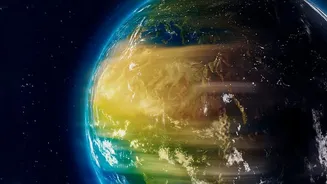
at the University of Wyoming found that water vapour is staying in the atmosphere for longer periods and traveling greater distances before it falls as rain. In some regions of the United States, for instance, this added distance is as much as 80 kilometres, with moisture spending an extra two to four hours in the sky compared to 35 years ago. This isn't just a regional quirk; it's evidence of a fundamental shift in the planet's water cycle. A warmer atmosphere acts like a larger sponge, capable of holding more moisture and carrying it across vast distances before it's released.
From Land to Ocean Sources
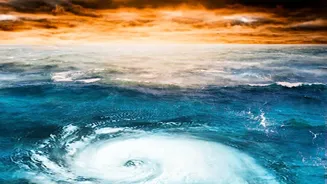
A key part of this change is where the water comes from. The same research confirmed that an increasing share of atmospheric moisture now originates from oceans rather than from evaporation over land. Essentially, the balance is tilting. There is, on average, a reduction in evaporation from land surfaces and increased evaporation from oceanic surfaces. This shift is driven by rising global temperatures, which intensify evaporation from the world’s vast oceans. This super-charged moisture is then injected into the atmosphere's 'highways'—long, narrow bands of water vapour often called atmospheric rivers. These rivers in the sky are the primary transporters of water from the tropics towards other latitudes, and their behaviour is becoming more intense and less predictable.
Why This Matters for India
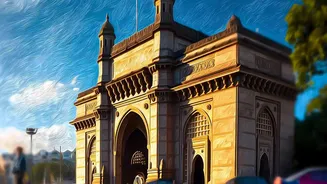
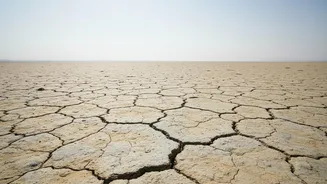
For India, where the monsoon is the lifeblood of the economy and agriculture, any change in rainfall patterns is critical. While the recent studies focused on the US, the underlying physics are global. Climate models predict that a warming world will make India's summer monsoon both stronger and more erratic. This doesn't necessarily mean more beneficial rain. Instead, it points toward what scientists call increased precipitation variability—more extreme swings between intensely wet and prolonged dry periods. Studies have already observed a decline in steady monsoon rainfall since the 1950s, replaced by an increase in the frequency of heavy, intense downpours. This new reality—where rain travels farther and arrives in more powerful, concentrated bursts—has profound implications for a nation dependent on predictable seasonal rains.
The New Realities of Water Management
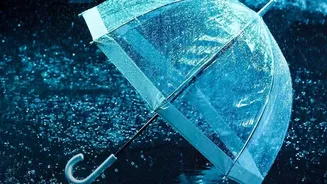
When rain falls in shorter, more violent bursts, less of it has a chance to soak into the ground and replenish vital aquifers. Instead, it leads to increased surface runoff, which can overwhelm rivers and cause devastating floods. This paradox—where more intense rainfall can actually lead to less usable water—is a major challenge. It means that even in years with average or above-average total rainfall, regions could still suffer from water stress. For Indian agriculture, the consequences are direct. Crops rely on consistent moisture, and too much rain at the wrong time can be as damaging as a drought. A recent analysis has already linked shifting rainfall patterns to forest loss in Central India, highlighting how ecosystems are struggling to adapt. These changes demand a new approach to water management, one that accounts for water sources becoming more distant and deliveries becoming more volatile.