





The Rise of a Kitchen Staple to Superfood
Cinnamon has been used for centuries, but its modern fame is tied to promising health claims. It has become a go-to for those looking to manage their health naturally, with many people adding it to everything from morning coffee to daily smoothies. The
primary driver of this trend is research suggesting cinnamon can help regulate blood sugar. Studies, though often small and sometimes conflicting, indicate that compounds in cinnamon may help lower blood sugar levels after meals and improve the body's sensitivity to insulin. This has made it particularly popular among individuals with pre-diabetes or those seeking better metabolic health. However, the American Diabetes Association does not recommend it as a treatment, citing a lack of strong evidence. Beyond blood sugar, it's also praised for its antioxidant and anti-inflammatory properties, further cementing its status in the wellness world.
Not All Cinnamon Is Created Equal
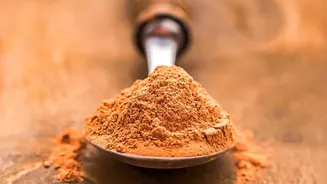
Here's the crucial detail most people miss: the cinnamon in your spice rack is probably not the kind you think it is. There are two main types sold globally: Ceylon and Cassia. Ceylon (Cinnamomum verum), known as "true cinnamon," is more expensive, has a lighter color, and a milder, more complex flavor. Cassia cinnamon is the common, less expensive variety found in most grocery stores and used in countless food products. It's darker, spicier, and more robust. While both come from the bark of Cinnamomum trees, their chemical compositions are significantly different. This difference is the most important factor when considering cinnamon as a health supplement, and it's at the heart of the potential risks.
The Hidden Risk: Coumarin
The problem with treating Cassia cinnamon like a supplement lies in a single compound: coumarin. Coumarin is a naturally occurring substance that, in high doses, can be toxic to the liver. While both types of cinnamon contain it, the amounts vary dramatically. Cassia cinnamon is packed with coumarin, containing up to 1%, or around 7 to 18 milligrams per teaspoon. In stark contrast, Ceylon cinnamon contains only trace amounts, often described as negligible or undetectable in testing. European health authorities have set a tolerable daily intake (TDI) for coumarin at 0.1 milligrams per kilogram of body weight. For an average adult, this means that a single teaspoon of common Cassia cinnamon can easily exceed the safe daily limit.
The Danger of Unregulated Doses
Sprinkling cinnamon on your oatmeal or in a holiday bake is generally safe; the risk comes from concentrated, daily consumption. When you take cinnamon in capsules or by the spoonful, you are consuming it in medicinal quantities, not culinary ones. The supplement industry is largely unregulated, meaning a bottle of "cinnamon" capsules might not specify the type or the coumarin content. This makes it incredibly easy to consume dangerously high levels of coumarin without realizing it. Several reports have documented cases of severe liver injury linked to overconsumption of cinnamon supplements. The risk is even higher for individuals with existing liver conditions or those taking other medications that are processed by the liver, like statins or even acetaminophen.
So, What's the Verdict?
The evidence for cinnamon's health benefits, particularly for blood sugar control, is still considered moderate and evolving. The effects seen in studies are often modest and work best in conjunction with diet and lifestyle changes. No major health organization recommends cinnamon supplements as a first-line treatment for any condition. Given the documented risks of liver toxicity from the coumarin in Cassia cinnamon, the potential downsides of taking it as a supplement often outweigh the unproven benefits. The safest approach is to enjoy cinnamon as it was intended: as a flavorful spice in your cooking. A sprinkle here and there adds warmth and flavor without posing a significant health risk.