






The Monotony of the Morning Mile
For many, the biggest hurdle to a regular fitness routine isn't a lack of time or energy; it's boredom. The repetitive nature of many common exercises, like jogging on a treadmill or lifting weights alone, can quickly make physical activity feel like a chore.
This is especially true for early morning workouts, when motivation is often at its lowest. When exercise becomes just another task to check off the list, it loses its appeal, making it incredibly difficult to maintain over the long run. The initial enthusiasm fades, and soon, the snooze button starts winning the daily battle. This is a common experience, but breaking the cycle is simpler than you might think.
Why Games Make a Difference
This is where gamification comes in. Introducing elements of play, like points, challenges, or friendly contests, can transform a dull workout into an engaging experience. Studies show that gamified fitness boosts motivation by tapping into our natural desires for achievement and progress. Adding a game-like structure—even something as simple as trying to beat a personal record or completing a team challenge—makes exercise more enjoyable and less repetitive. This element of fun releases dopamine, the brain's feel-good chemical, creating a positive feedback loop that makes you want to come back for more.
More Than Just a Game
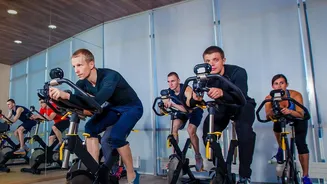
Exercising in a group adds another powerful layer of motivation: social connection and accountability. When you're part of a group, whether it's a fitness class, a running club, or just a few friends playing a sport in the park, you gain a built-in support system. Knowing that others are expecting you to show up can be the push you need to get out of bed on days when you'd rather not. Research has shown that the sense of community and camaraderie in group settings not only makes exercise more fun but also increases adherence to the routine over the long term. People simply tend to work harder and stay more consistent when they're part of a team.
When Competition Kills Consistency
While a little friendly competition can be motivating, there's a fine line between a healthy push and a detrimental obsession with winning. When the focus shifts entirely from personal progress to beating others at all costs, exercise can become a source of stress and anxiety. An overly competitive mindset can lead to feelings of inadequacy if you don't 'win,' and it increases the risk of pushing yourself too hard, which can result in injury or burnout. Some research on extreme fitness competitions highlights negative mental and physical health outcomes, such as body dysmorphia and hormonal issues, when the focus is purely on appearance and ranking. The goal should be to feel better and build a healthy habit, not to create another source of pressure in your life.
The Unbeatable Habit of Showing Up
This brings us to the most crucial element of any successful fitness journey: consistency. The best workout is not the most intense or the most competitive; it's the one you do regularly. Small, consistent efforts compound over time to produce significant results in strength, endurance, and overall health. Sporadic, high-intensity sessions are far less effective than a steady, manageable routine. Building a habit takes time—studies suggest it can take over two months for a new behavior to become automatic. During this phase, the focus shouldn't be on perfection or performance, but simply on the act of showing up. Consistency is what allows your body to adapt and improve safely, turning fitness from a temporary effort into a sustainable lifestyle.
Crafting Your Sustainable Routine
So, how do you put it all together? The key is to find a balance that works for you. Use games and group activities as tools to make exercise enjoyable and to hold yourself accountable. Look for a group class or a team sport that fosters a sense of community without an unhealthy competitive edge. If you prefer to exercise alone, you can still gamify your routine with fitness apps that track personal achievements and milestones. The ultimate goal is to build a positive relationship with exercise. Set realistic, achievable goals and celebrate small wins along the way. Remember to listen to your body and prioritize long-term well-being over short-term bragging rights. Find a form of movement you genuinely enjoy, and it will never feel like a chore again.