



Discovering Sirpur: City of Wealth
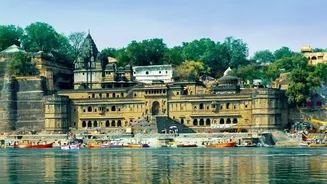
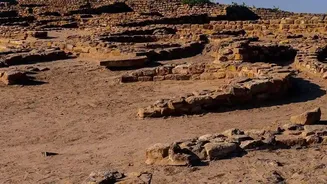
On the banks of the Mahanadi River, about 80 kilometres from Raipur, lies the quiet town of Sirpur. But this sleepy exterior hides a spectacular secret: the remains of a once-great city known as 'Shripur', or the City of Wealth. From the 5th to the 12th
century, it served as the bustling capital of the Dakshina Kosala kingdom under dynasties like the Panduvamshis. Recent archaeological work, mostly since the year 2000, has unveiled a sprawling settlement that was a major centre for trade, religion, and culture, leaving behind a treasure trove of historical wonders.
A Tapestry of Faiths
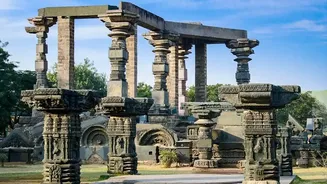
One of Sirpur's most remarkable aspects is the peaceful coexistence of multiple religions. Excavations have unearthed a stunning array of Hindu, Buddhist, and Jain monuments standing side-by-side. The famous 7th-century Chinese pilgrim, Hiuen Tsang, documented visiting Sirpur and noted the presence of over 100 Buddhist monasteries and more than 150 Hindu temples. This historical harmony is visible today as you walk among the ruins of grand viharas (monasteries), intricate Shiva and Vishnu temples, and other sacred structures, painting a picture of a tolerant and spiritually diverse society.
Must-See Architectural Marvels
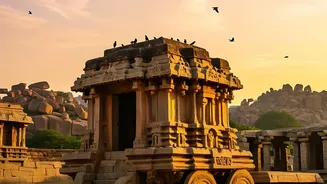
The crown jewel of Sirpur is the Lakshmana Temple, an east-facing brick temple from the 7th century dedicated to Lord Vishnu. It is considered one of the best-preserved and finest brick temples in India, renowned for its precise construction and exquisitely carved doorframes depicting Vishnu's incarnations. Another key site is the Surang Tila, a large temple complex dedicated to Shiva, with its towering platforms and unique architecture. For those interested in Buddhism, the Teevardev Vihara is a massive monastery complex believed to have been larger than the one at Nalanda, featuring a striking monolithic statue of the Buddha.
Exploring the Ancient City
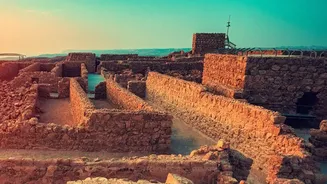
Beyond the major temples, the layout of an ancient city awaits. Archaeologists have uncovered the remains of what is believed to be one of the world's oldest and largest market areas. This marketplace had a strategic location near the Mahanadi, with well-planned parallel roads dividing zones for different goods like grains and metals. You can also visit the Gandheshwar Temple, an active 18th-century Shiva temple that incorporates many ancient sculptures found from the surrounding ruins, creating a unique and eclectic place of worship. An on-site museum run by the Archaeological Survey of India houses a collection of statues and relics from the area, offering more context to your visit.
Planning Your Visit to Sirpur
Sirpur is best reached from Raipur, the state capital of Chhattisgarh, which is approximately 80-85 km away. Swami Vivekananda Airport in Raipur offers good connectivity with major cities like Delhi and Mumbai. The nearest major railway station is also in Raipur, though Mahasamund station is closer at about 35-40 km from the site. The most convenient way to get to Sirpur is by hiring a private taxi from Raipur for a day trip, which takes around two hours each way. The best time to visit is during the cooler, drier months from October to March, as summers can be very hot. While there are limited accommodation options in Sirpur itself, staying in Raipur provides a comfortable base for your excursion.