


Meet the New Flavours
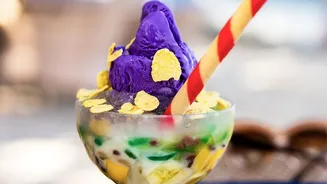
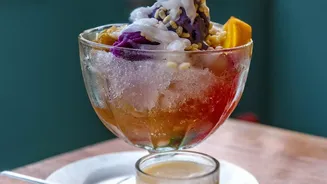
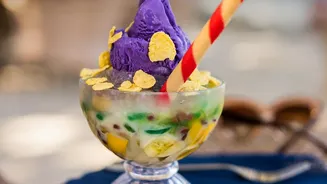
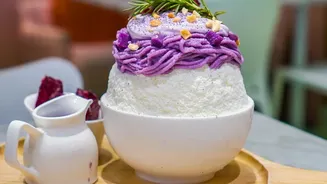
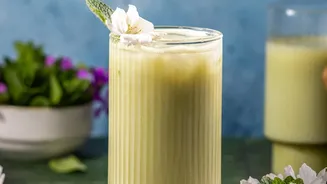
Before we get into the why, let’s cover the what. Ube (pronounced ‘oo-beh’) is a purple yam native to the Philippines. For centuries, it has been a staple in Filipino desserts. Its flavour is surprisingly complex and not what you would expect from a yam;
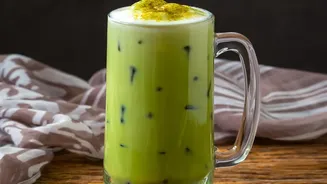
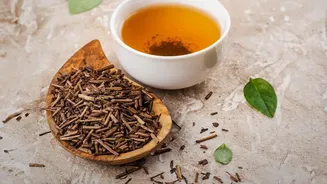
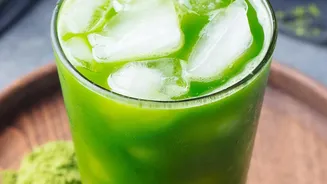
it’s mildly sweet, nutty, and creamy, with notes of vanilla, coconut, and even white chocolate. Its most captivating feature, however, is its stunningly deep, natural violet colour. Hojicha, on the other hand, is a Japanese green tea. But unlike its more famous cousin, matcha, hojicha is roasted. This extra step completely transforms the tea, reducing its caffeine content and swapping the grassy, vegetal notes for a warm, toasty, and nutty character. Its flavour is often described as caramel-like and smoky, making it a comforting, mellow alternative to both coffee and other green teas.
A Feast for the Eyes and the Feed
In 2026, we eat with our cameras first, and no ingredient understands this better than ube. Its brilliant purple hue is practically made for social media. Cafes across India have found that the striking colour is the initial draw for many customers. An ube latte or cheesecake stands out on an Instagram feed, sparking curiosity and driving footfall. This phenomenon isn't new; the virality of dalgona coffee and the global rise of matcha were both heavily fuelled by their visual appeal. Recent Google search data confirms this trend, with searches for 'ube' in India hitting an all-time high in August 2026, driven by its aesthetic qualities. It’s a powerful marketing tool in a crowded cafe market where looking good online is just as important as tasting good in person.
An Evolving and Adventurous Palate
Beyond looks, the arrival of these flavours signals a deeper shift in the Indian consumer. Urban palates, particularly among Gen Z and millennials, are becoming more adventurous. Exposure to global cultures through travel and social media has cultivated a curiosity for new and nuanced tastes. Cafe owners report that customers are actively seeking experiences that feel thoughtful, global, and slightly unfamiliar but still comforting. Ube's gentle sweetness and hojicha's roasted depth offer a sophisticated alternative to the sugary, one-note profiles of many mainstream cafe drinks. This fits into a broader trend of Indian consumers moving towards functional, 'clean-label', and experience-driven food choices. They are looking for layered textures and evolving flavour journeys that make consumption more memorable.
The Pan-Asian Wave Continues
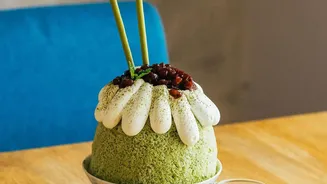
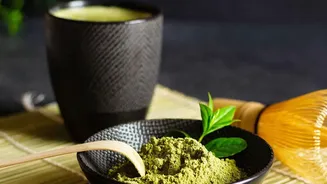
The popularity of ube and hojicha isn't happening in a vacuum. It is part of a larger, sustained wave of interest in Pan-Asian cuisine across India. For years, everything from Japanese ramen and sushi to Korean fried chicken has been gaining popularity in the mainstream. This interest is now naturally extending to desserts and beverages. After getting accustomed to the umami of matcha, consumers are ready for the next chapter. Hojicha is a logical next step, offering a less intense, roasted profile from the same Japanese tea family. Ube, from the Philippines, expands this culinary map further into Southeast Asia. Cafes that once specialised only in matcha, like Mumbai's Tokyo Matcha Bar, have found ube to be a natural and popular addition to their menus. Even major chains like Starbucks India have recently introduced ube-based drinks, signalling the ingredient's move from niche to mainstream.