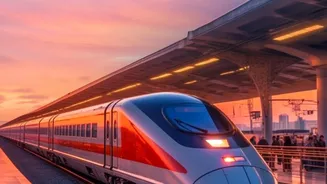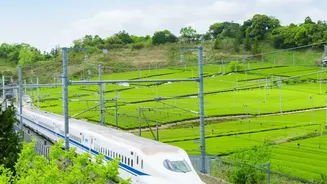

Where the Project Stands Today
As of September 2026, the bullet train project is advancing at a significant pace. According to Union Railway Minister Ashwini Vaishnaw, the project is progressing rapidly, with the first operational service slated for 2027. The initial run is expected
to be on the Surat-Bilimora section in Gujarat. Construction is in full swing across the 508-kilometre corridor, with major milestones being achieved. For instance, civil construction on the Vapi-Surat section is on track for completion by December 2026. In a major boost for the 'Make in India' initiative, the first coach manufactured for testing is also ready, signaling progress not just in construction but also in domestic manufacturing capabilities. While the entire line connecting Mumbai and Ahmedabad is projected for completion later, the phased commissioning strategy means that Indians will see the first bullet train in operation next year.
The Technology Driving the Dream
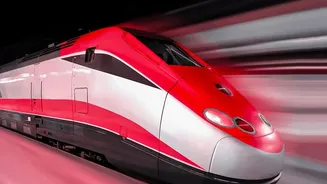
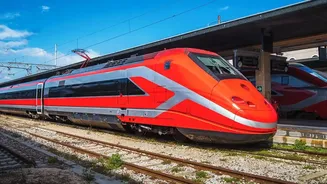
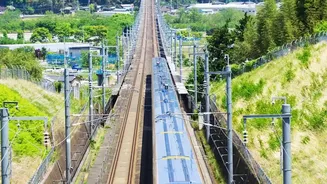
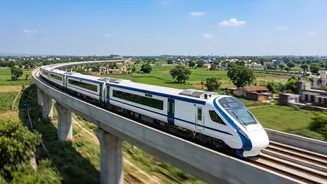
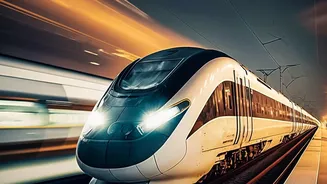
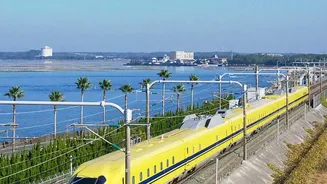
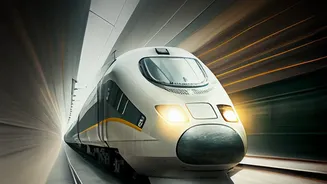
The project is powered by Japan's renowned Shinkansen technology, known globally for its exceptional safety record and punctuality. These trains are designed to operate at speeds of up to 320 kmph, which will dramatically reduce travel time. The journey between Mumbai and Ahmedabad, currently taking around seven to eight hours by conventional rail, is expected to be completed in just over two hours. The infrastructure itself is a marvel of modern engineering. About 92% of the track is elevated on viaducts and bridges to minimize land acquisition issues and environmental impact. A standout feature is India's first undersea rail tunnel, a 7-km passage under Thane Creek, part of a larger 21-km underground section. This blend of proven Japanese technology and ambitious Indian engineering defines the project's technical backbone.
A Journey Fraught With Challenges
The path to 2026 has not been without its hurdles. The project has faced significant delays since its foundation stone was laid in 2017. One of the most persistent challenges has been land acquisition, a complex and time-consuming process, particularly in densely populated stretches of Maharashtra. Political shifts have also played a role, with a previous government in Maharashtra questioning the project's priority, which temporarily slowed progress. Furthermore, the global pandemic caused unavoidable delays, impacting supply chains and on-ground work. These setbacks have also led to cost escalations, with the project's estimated cost nearly doubling from its initial projection, sparking public debate about the expenditure. Overcoming these obstacles has been a critical part of the project's story.
What the Future Holds
With the first section set to open in 2027, the focus is now shifting towards testing and operational readiness. The first indigenously developed train is expected to be on the tracks for testing by May or June of next year. Once operational, the bullet train will feature 12 stations, including key hubs like Mumbai (BKC), Surat, Vadodara, and Ahmedabad. Beyond just speed, the project promises a revolution in passenger experience, offering enhanced comfort, safety, and reliability. The estimated ticket price for the full journey is expected to be around ₹3,000, making it a competitive option against air travel. This project is seen not just as a transportation upgrade, but a catalyst for economic growth, boosting business, trade, and tourism between two of India's major commercial centers.