



The Ultimate Safari Experience
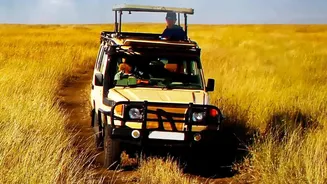
The crown jewel of Assam's wildlife tourism is undoubtedly Kaziranga National Park, a UNESCO World Heritage Site. This protected area is a mosaic of tall elephant grass, marshland, and dense tropical forests, creating the perfect habitat for an incredible
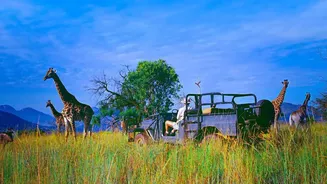
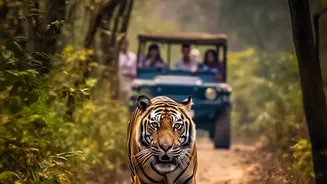
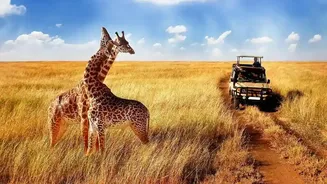
array of species. A jeep safari is the most popular way to delve into its wilderness. These excursions, led by experienced drivers and guides, take you through designated zones like the popular Central (Kohora) and Western (Bagori) ranges, each offering a unique glimpse into the park's ecosystem. The anticipation builds with every turn as you scan the landscape for movement, fully immersed in the sights and sounds of the jungle.
Home of the One-Horned Rhinoceros
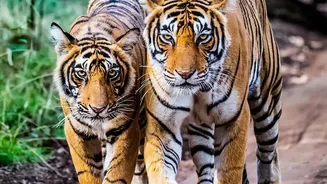
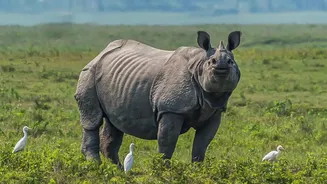
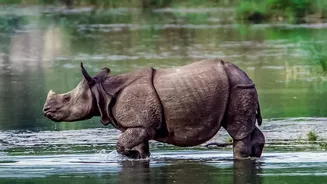
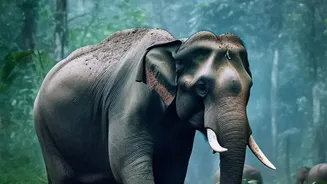
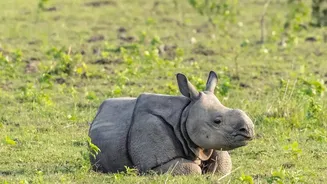
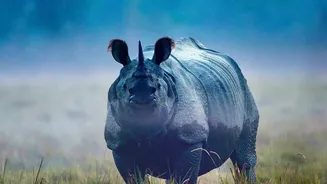
Kaziranga is globally celebrated for its remarkable conservation success, hosting two-thirds of the world's greater one-horned rhinoceros population. Seeing these magnificent creatures in their natural habitat is a primary draw for visitors. But the rhino is not the only star. The park is also a tiger reserve and home to significant populations of Asian elephants, wild water buffalo, and swamp deer. While tiger sightings are rare and depend on luck, the sheer density of other large mammals makes every safari drive a rewarding experience. Birdwatchers are also in for a treat, with hundreds of resident and migratory species calling the park home.
Beyond the Grasslands
While Kaziranga is central to the Assam experience, the state's wild frontiers extend further. Manas National Park, another UNESCO World Heritage site nestled at the foothills of the Himalayas, offers a different but equally stunning landscape. It is known for its rare golden langurs and pygmy hogs, in addition to tigers and elephants. For a more intimate experience, Pobitora Wildlife Sanctuary, often called 'Mini Kaziranga', boasts a high density of rhinos in a smaller area, making it ideal for shorter trips from Guwahati. Exploring these other parks reveals the true depth of Assam's biodiversity.
The Lush Green Carpet of Tea
No trip to Assam is complete without experiencing its other famous export: tea. The state is the world's largest contiguous tea-growing region, and its rolling plantations are an iconic sight. Many travellers combine their wildlife safaris with a visit to a tea estate, especially around the Jorhat and Dibrugarh areas, which are considered the heart of Assam's tea belt. Several estates offer guided tours where you can watch workers pluck the famous 'two leaves and a bud', learn about the manufacturing process in a factory, and participate in tea tasting sessions. Some even offer stays in historic colonial-era bungalows, allowing for a complete immersion in tea country life.
Cruising the Mighty Brahmaputra
Flowing through the heart of Assam, the majestic Brahmaputra River offers another unique perspective on the land. River cruises have become a popular way to explore the state, combining serene travel with cultural and wildlife excursions. Itineraries often include stops at remote villages, ancient temples, and, of course, jeep safaris into Kaziranga National Park. Gliding down the river, you might spot Gangetic dolphins or simply soak in the dramatic landscapes of the valley, with the distant Himalayas providing a stunning backdrop.
Planning Your Assam Adventure
The best time to visit Assam for wildlife safaris is from November to April. During these months, the weather is pleasant and dry, offering excellent conditions for wildlife sightings. The parks remain closed during the monsoon season, generally from May to October, due to flooding from the Brahmaputra River. It is highly advisable to book your safaris and accommodation well in advance, especially during the peak season from December to March. The main gateway cities are Guwahati and Jorhat, both well-connected by air to major Indian cities.