








A Landmark Success for ISRO
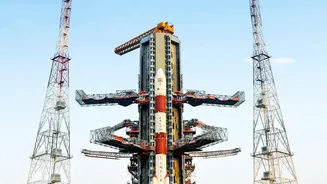
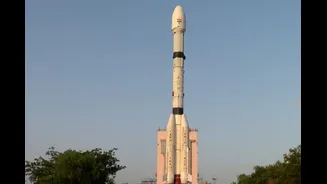
In the early hours of September 4, 2026, ISRO's Geosynchronous Satellite Launch Vehicle (GSLV-F17) lifted off from the Satish Dhawan Space Centre in Sriharikota. The rocket, sometimes called the “Naughty Boy” for its historically mixed record, performed
flawlessly, precisely placing the 2,367 kg EOS-05 satellite into its intended sub-geosynchronous transfer orbit about 18 minutes after launch. The launch marked ISRO's first successful mission of 2026, ending a nearly eight-month hiatus and providing a significant boost to the agency. Leaders across the nation, including the Prime Minister, hailed the launch as an outstanding achievement reflecting the growing capabilities of India's space sector.
India’s New Eye in the Sky
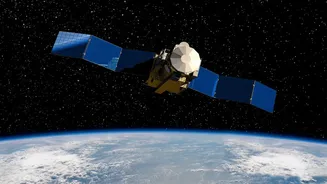
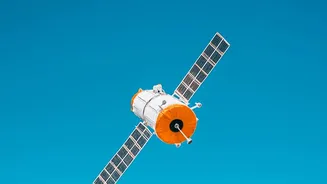
EOS-05 is not just any satellite; it is India's first-ever imaging satellite designed to operate from a geosynchronous orbit, approximately 36,000 kilometres above Earth. Unlike satellites in low-Earth orbit that pass over a location periodically, a geosynchronous satellite moves in sync with the Earth's rotation. This allows EOS-05 to maintain a constant watch over a vast area, covering the entire Indian landmass and its surrounding regions. Its primary achievement will be providing near-continuous, real-time imagery. This is a game-changer for monitoring rapidly developing natural disasters like cyclones, floods, and forest fires. Furthermore, its data will support agriculture, environmental monitoring, and provide crucial information for border surveillance and other strategic applications.
Redemption After a Setback
The success of EOS-05 is made even more significant by its history. This mission is effectively a second attempt, replacing the EOS-03 (also known as GISAT-1) satellite, which was lost during a launch failure in August 2021. That failure was traced to a technical anomaly in the GSLV's cryogenic upper stage, a complex piece of technology that took India decades to master. The successful launch of EOS-05 using the GSLV demonstrates that ISRO has not only identified and corrected the issue but has also strengthened the reliability of its heavy-lift launch vehicle. This success breaks the jinx associated with the program and stands as a testament to the agency's resilience and deep-seated engineering expertise.
What This Achievement Unlocks
Beyond its immediate mission, the EOS-05 launch has several broader achievements for India. First, it restores momentum to ISRO's launch calendar after a quiet period marked by mission reviews following a few setbacks. Second, it reinforces the GSLV's capability, proving it can handle the heaviest satellite it has ever launched, which is crucial for future ambitious missions, including Gaganyaan, India's human spaceflight program. Third, by establishing a persistent surveillance capability, it enhances India's strategic autonomy, reducing reliance on foreign sources for critical geospatial intelligence. This dual-use capability serves both civilian needs like disaster management and strategic requirements for national security, making it a pivotal asset for the country.