



The sharp, tangy flavour of raw green mango, or 'kacchi kairi', is the taste of summer in a nutshell. Grated raw mango is a versatile ingredient that can brighten up countless dishes. Here’s how to prepare and use it to its full potential.
Selecting the Perfect Green Mango
Your journey
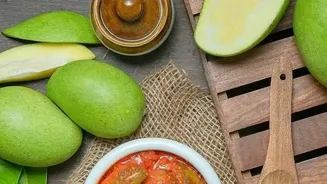
begins with choosing the right mango. Look for one that is firm to the touch, with smooth, unblemished skin. The variety of mango will also determine its sourness; for most savoury preparations, the sourer, the better. Varieties like Rajapuri or Totapuri are popular choices. A good raw mango should be crisp and uniformly pale or white on the inside. If it shows any hints of yellow or orange, it's beginning to ripen and will be sweeter, which might not be ideal for dishes that rely on that characteristic tang.
The Art of Grating
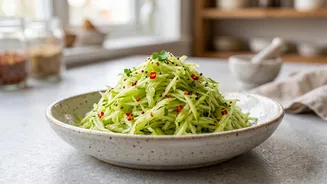
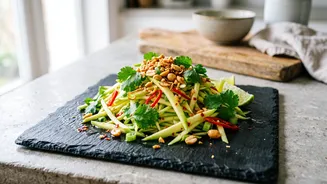
Once you have your mango, wash and dry it thoroughly. Peeling is the next step. A standard vegetable peeler works perfectly. While some recipes, especially for certain types of rice, suggest using the skin for extra texture and flavour, most preparations benefit from peeling. After peeling, you have a couple of options for grating. A simple box grater will give you lovely, thick shreds perfect for pickles and salads. If you're processing a large quantity, a food processor with a grating attachment is a significant time-saver. Aim for thicker shreds, as they hold their texture better in dishes, whether cooked or raw.
Storing for Lasting Freshness
Freshly grated mango is best used immediately, but you can store it for later use. For short-term storage, place the grated mango in an airtight container in the refrigerator for a couple of days. For long-term preservation, freezing is your best option. You can freeze the grated mango in zip-top bags. Some cooks like to add a bit of salt before freezing to help preserve it, but remember to adjust the salt in your final dish if you do. Stored this way, you can have a taste of summer on hand for months, ready to be tossed into dals, curries, and rice dishes whenever you need a burst of sourness.
Quick Recipe: Instant Mango Pickle
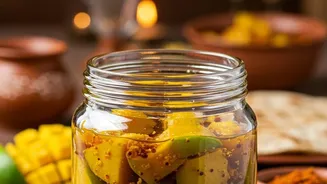
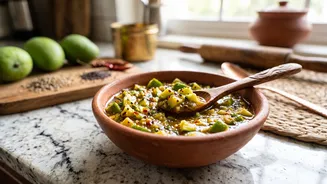
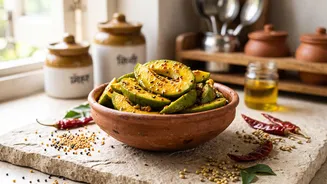
One of the easiest ways to use your grated mango is in an instant pickle, often known as 'Mamidikaya Turumu Pachadi' in Andhra or 'Vendaya Mangai' in Tamil Nadu. In a bowl, combine one cup of grated raw mango with red chilli powder, turmeric powder, and salt. Let this mixture sit for about 20 minutes. Meanwhile, heat sesame oil in a pan, add mustard seeds and let them splutter. Add a pinch of asafoetida (hing) and some curry leaves. Pour this hot tempering over the mango mixture and stir well. Some variations include roasted and powdered fenugreek seeds for a characteristic bitter note. This pickle is ready to eat immediately and is a fantastic accompaniment to curd rice or parathas.
Main Course Idea: Raw Mango Rice
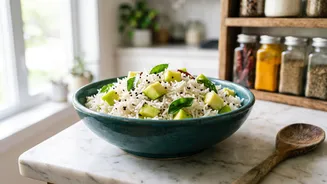
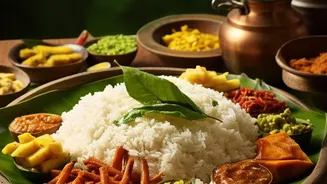
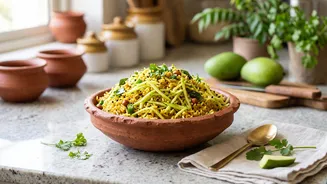
Raw mango rice, or 'Mavinakayi Chitranna', is a beloved dish from Karnataka that makes for a perfect lunch. To prepare it, you start with a basic tempering of oil, mustard seeds, chana dal, urad dal, and peanuts. Once the dals and peanuts are golden, add green chillies and curry leaves. Next, add the grated raw mango and sauté for a few minutes until it softens. Finally, add cooked rice, turmeric powder, and salt, mixing gently to combine everything without breaking the rice grains. A garnish of fresh coconut and coriander leaves adds another layer of flavour. The result is a vibrant, tangy, and satisfying onepot meal.
Sweet & Sour Delight: Mango Chunda
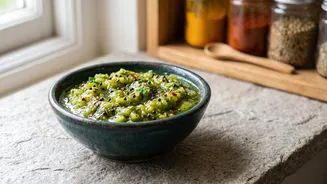
For those who enjoy a sweet and sour flavour profile, 'Aam Chunda' is a classic Gujarati relish made with grated raw mango. To make it, combine grated mango with sugar (and sometimes jaggery) in a pan. Let the mixture sit for about 30 minutes until the sugar dissolves and the mixture becomes watery. Then, cook it on a low flame, stirring until it thickens to a jamlike consistency. Spices like turmeric, red chilli powder, and roasted cumin powder are added during cooking to balance the sweetness. The chunda is ready when the syrup reaches a onestring consistency. Once cooled, it can be stored in a jar and enjoyed withtheplas,' rotis,' or as a side to any meal.