



What is Flexible Meal Planning?
Unlike a rigid weekly plan where you decide on Monday what you'll eat on Friday, flexible meal planning is about adapting. It means building your meals around what is affordable, in season, and already in your kitchen. This approach moves away from a fixed
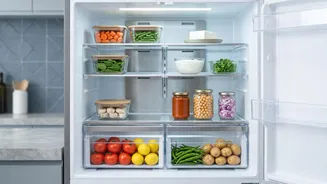
shopping list, which can force you to buy expensive ingredients. Instead, it empowers you to make smart decisions at the market, turning the best deals into delicious meals. This mindset shift reduces the pressure to follow a strict plan and minimises the chances of expensive, unused ingredients wilting in your fridge.
Shop First, Plan Second
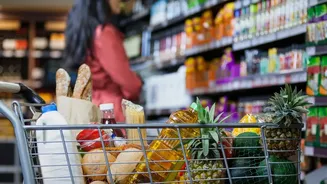
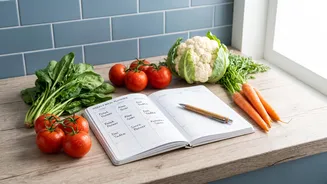
The core of a flexible plan is to let the market guide your menu. Before you go shopping, take a quick inventory of your pantry and fridge. At the vegetable vendor or supermarket, keep an eye out for what’s fresh and on sale. Did you find a great price on bhindi? Plan a stir-fry or a simple sabzi. Is palak abundant and cheap? Think about palak paneer, dal palak, or palak parathas. This method ensures you are always cooking with the most cost-effective and flavourful ingredients available. It’s a simple change that flips the traditional meal-planning script and puts savings first.
Mastering Modular Meals
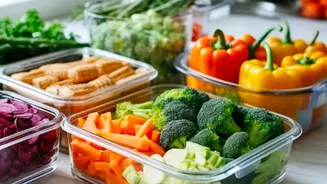
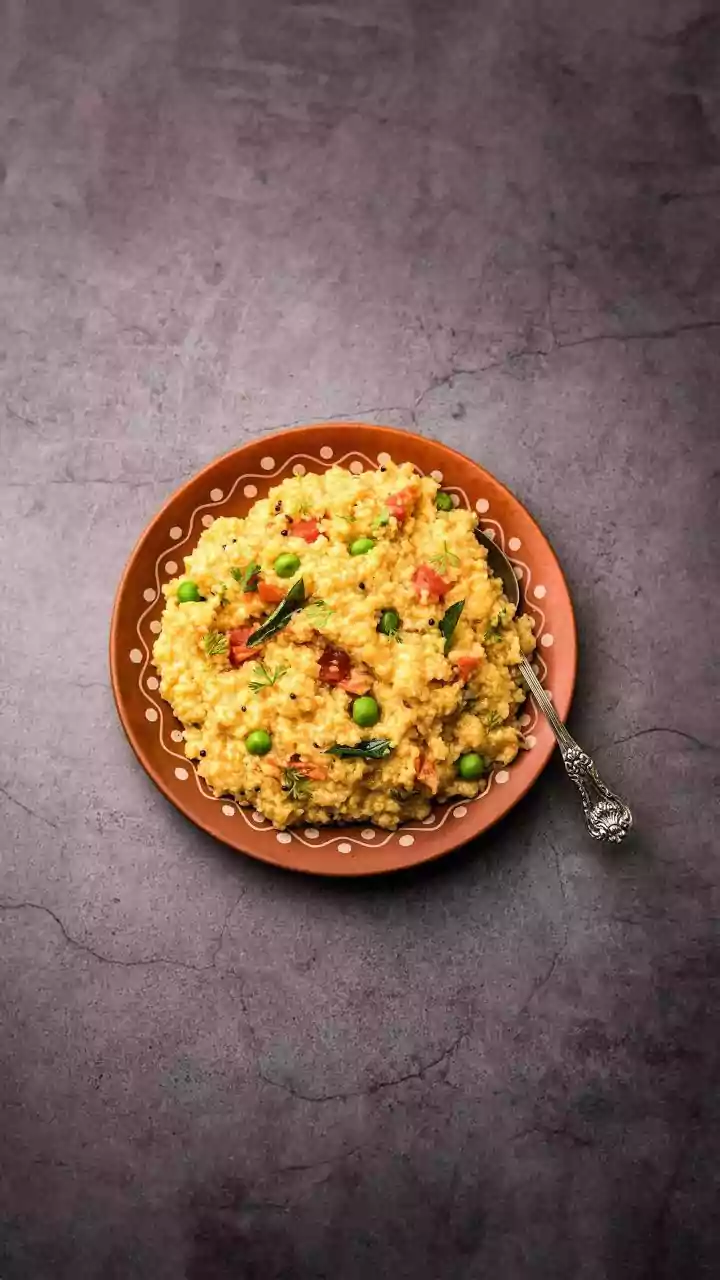
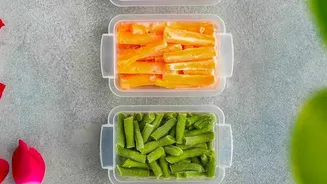
One of the most effective strategies for Indian kitchens is preparing meal components in advance. This doesn't mean cooking full meals for the week, but rather prepping the building blocks. For instance, you could make a large batch of a generic onion-tomato masala that can be the base for multiple curries. Boil a few types of dal and store them. Cook a large batch of rice that can be used as a side, for lemon rice, or for a quick fried rice. Having these 'modules' ready makes assembling a fresh, home-cooked meal on a busy weeknight incredibly fast and prevents the temptation to order expensive takeaway.
Transform Leftovers into New Delights
In a budget-conscious household, leftovers are not a burden; they are a bonus ingredient. The key is to creatively repurpose them. Leftover dal from dinner can be kneaded with atta to make nutritious parathas for breakfast. Extra cooked sabzi can become a delicious filling for a sandwich or a dosa. A small portion of rice can be transformed into curd rice for a cooling lunch. By viewing leftovers as the starting point for your next meal, you drastically reduce food waste, which is a major, often hidden, household expense. This creative approach makes your food budget stretch further than you thought possible.
Your Pantry is Your Safety Net
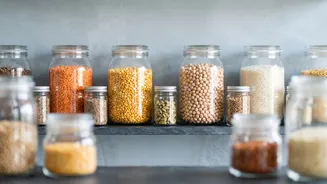
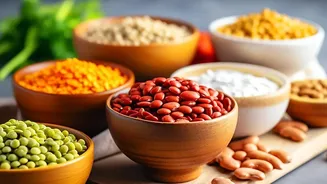
A well-stocked pantry is the foundation of flexible cooking and financial resilience. When your budget is tight, a good supply of staples like dals, chana, rajma, various flours, rice, and essential spices allows you to create filling and nutritious meals without an extra trip to the store. Keeping long-lasting vegetables like onions, potatoes, and garlic on hand is also crucial. These items form the backbone of countless Indian dishes and ensure that even when fresh produce is running low, you can always put a satisfying meal on the table. Buying these staples in larger quantities when they are on sale can also lead to significant long-term savings.