


The Soul of Flavour: What is Tempering?
Tempering, known as 'tadka' or 'chaunk' across India, is a foundational technique where whole or ground spices are briefly fried in hot oil or ghee. This process, called blooming, does something magical: it unlocks the essential oils trapped within the spices,
releasing their potent aromas and infusing the fat with deep flavour. This flavoured oil then becomes the base upon which the entire dish is built. Far from being a mere garnish, in a simple dish like upma, the tempering isn't just a step—it's the very soul of its flavour profile, establishing the aromatic character from the first sizzle.
Anatomy of a Classic Upma Tempering
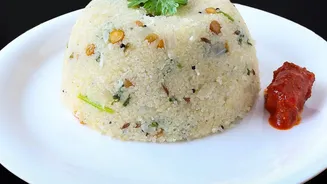
While recipes vary, a classic South Indian style upma tempering has a core cast of characters, each with a specific role. Mustard seeds are the opening act; their popping sound signals the oil is hot enough. Next, lentils like urad dal and chana dal are added, frying until golden to provide a nutty flavour and a delightful crunch. Curry leaves, tossed in next, release a unique, savoury aroma that is quintessentially South Indian. Green chillies and minced ginger add fresh heat and pungency, while a pinch of asafoetida (hing) lends a subtle, foundational umami note that rounds everything out.
The Sequence is Everything
The order in which you add ingredients to the hot oil is crucial for building layers of flavour. Think of it as conducting a tiny orchestra. Mustard seeds go first because they need high heat to pop. The dals follow, as they need a little time to turn golden brown and crisp up; add them too late, and they’ll remain raw. Curry leaves, ginger, and green chillies are more delicate and are added next for a quick sizzle to release their fragrance without burning. If you add everything at once, you risk burning the delicate spices while the lentils remain undercooked. This careful sequencing ensures each ingredient contributes its best self to the final dish.
Regional Riffs and Flavourful Additions
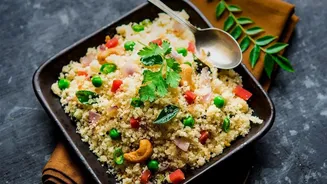
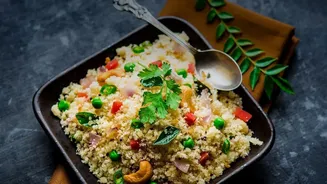
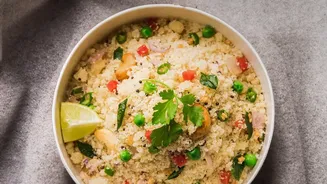
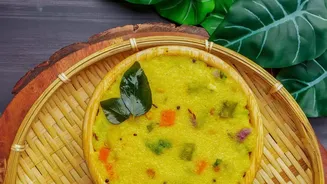
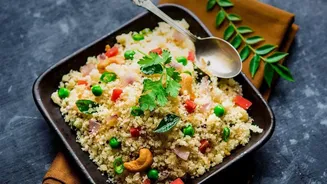
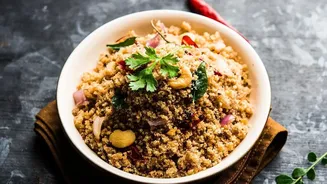
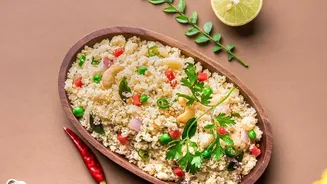
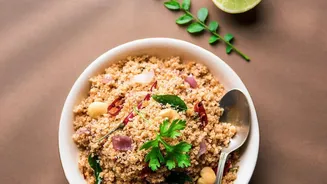
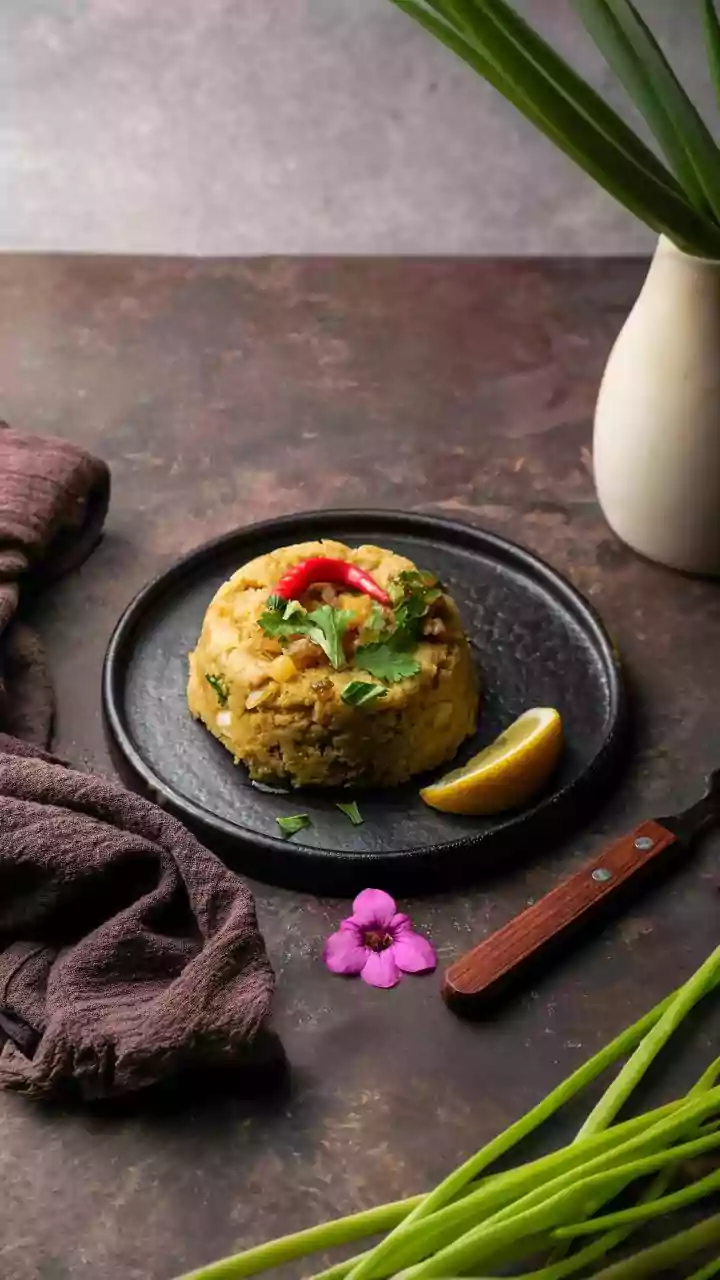
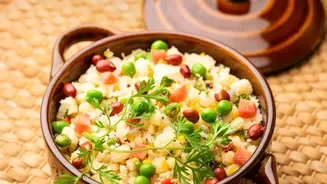
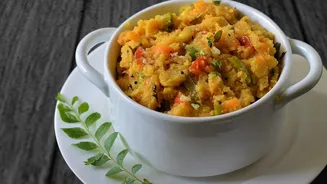
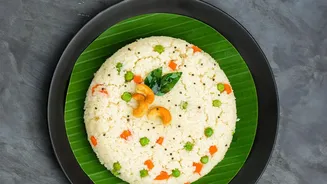
The beauty of upma lies in its adaptability, and tempering is where regional personality shines. In Maharashtra, onions are a near-constant addition, sautéed after the initial spices to add a sweet, caramelized depth. In Karnataka, the tempering is often spicier, and the final dish, known as Khara Bath, might include vangibath powder for a complex flavour profile. Many recipes include cashews or peanuts in the tempering stage, toasting them in the oil to add richness and a satisfying crunch. Some variations in Tamil Nadu finish with a squeeze of lemon juice, adding a bright, tangy note that cuts through the richness. Adding finely chopped vegetables like carrots and peas after the spices have bloomed is another popular way to add texture, nutrition, and flavour.
Common Mistakes and How to Fix Them
The most common mistake is a weak or burnt tempering. If the oil isn't hot enough, the mustard seeds won't pop and the spices won't bloom properly, resulting in a bland upma. If the oil is too hot or the timing is off, you can easily burn the dals or curry leaves, imparting a bitter, acrid taste. Pay close attention and regulate the heat. Another frequent issue is related to the rava itself. For the best texture, always dry roast the rava separately until it's fragrant before you begin the tempering. This prevents the final dish from becoming sticky or lumpy. When it's time to combine, add the roasted rava to the boiling water slowly, stirring constantly to ensure a smooth, lump-free consistency.