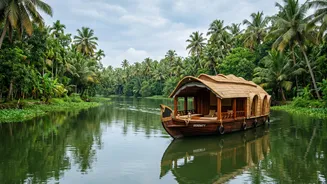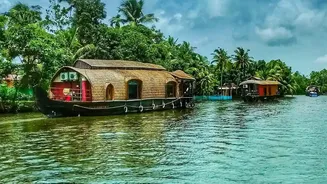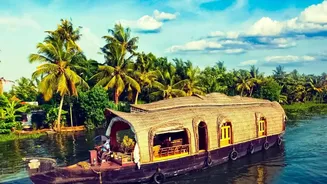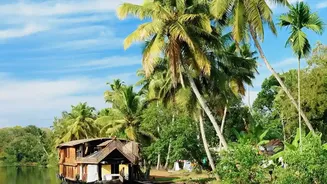



The Birth of a Responsible Idea
In the early 2000s, as tourism boomed in 'God's Own Country', a critical question emerged: how to grow without sacrificing the very culture and nature that drew visitors in the first place? The answer was the Responsible Tourism (RT) Mission, a pioneering
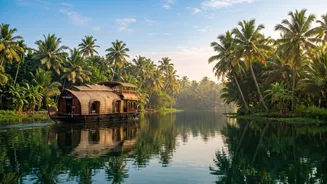
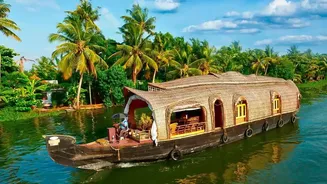
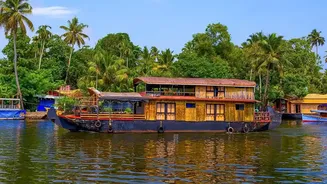
initiative formally launched in 2007. It started on a pilot basis in four key destinations—Kovalam, Kumarakom, Thekkady, and Wayanad—each representing a different facet of Kerala's landscape. The philosophy was simple but revolutionary: tourism should be economically beneficial for local communities, socially respectful of culture, and environmentally conscious. Instead of benefits leaking out to large corporations, the goal was to keep revenue within the villages, empowering farmers, artisans, and small entrepreneurs.
From Principles to Practice
The RT Mission was built on what's known as the 'triple bottom-line': economic, social, and environmental responsibility. This translated into tangible programmes that reshaped the visitor experience. Homestays run by local families offered authentic hospitality, while hotels and resorts were encouraged to source produce directly from community farming clusters. Village Life Experience packages allowed travellers to see coir-making, visit paddy fields, and engage with local artisans, transforming tourism into a tool for cultural preservation. Kudumbashree, the state's women's self-help network, became a key partner, enabling women to launch catering units, craft stores, and tour guide services, ensuring they were active participants and beneficiaries. This model proved so successful that Kumarakom became a celebrated global example of community-led tourism.
Facing Modern Pressures
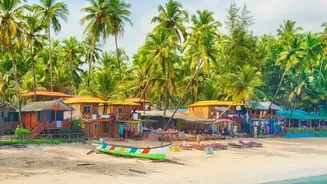
The journey has not been without significant hurdles. Climate change now poses a serious threat. Increasingly erratic monsoons and severe floods, like the devastating event of 2018, have damaged infrastructure and disrupted travel patterns. Coastal erosion threatens popular beaches like Kovalam and Varkala, while rising temperatures impact the state's delicate biodiversity. The COVID-19 pandemic brought the entire industry to a standstill, forcing a rethink of reliance on international travel. Furthermore, the very success of the 'sustainable' branding brought risks of greenwashing, where the label is used without genuine commitment to the principles.
The Evolution: A Story of Resilience
This is where the story of Kerala's model evolves. In response to these challenges, the state has innovated rather than retreated. Recognising the need for hyper-localised and inclusive growth, it launched projects like STREET (Sustainable, Tangible, Responsible, Experiential, Ethnic Tourism). This award-winning initiative develops theme-based streets in villages—like a Water Street for kayaking or an Art Street for local painters—spreading tourism's footprint beyond crowded hubs. Another major evolution is the focus on women-friendly tourism. This project empowers women as tour operators, guides, and hosts, while also ensuring the state is a safe and welcoming destination for female and solo travellers. More recently, in September 2026, the state announced the introduction of 'Green Marshals' to be deployed from October to enhance tourist safety, monitor facilities, and assist with environmental management at key sites.
Why It Still Matters More Than Ever
In a world grappling with climate change and a desire for more authentic travel, Kerala's evolving model offers a powerful blueprint. It demonstrates that tourism can be a force for community development and resilience. The focus has shifted from just being 'responsible' to being actively regenerative and inclusive. By empowering women, developing micro-destinations, and focusing on experiential travel, Kerala is showing how to build a more equitable and durable tourism economy. It is no longer just about preserving what exists but about actively making places better for both residents and visitors—a principle that is globally relevant.