



An Invitation to the Silk Road
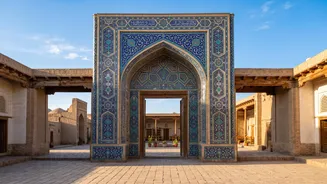
Suddenly, the ancient cities of Samarkand, Bukhara, and Khiva are filling Indian social media feeds. What was once a relatively obscure destination is fast becoming a go-to for those seeking history without the European price tag. The recent announcement
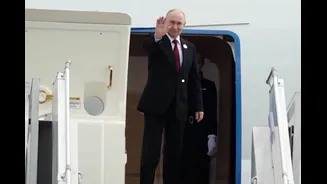
of a 30-day visa-free regime for Indian citizens has been a significant catalyst. Previously requiring an e-visa, this move, announced during a state visit, signals a clear intention to boost tourism and people-to-people ties. Coupled with an increase in direct flights to 14 per week and the future integration of UPI payments, Uzbekistan has rolled out the welcome mat. For Indian travellers, the appeal is obvious: magnificent Islamic architecture, a rich history, and affordability that makes it a compelling alternative to more crowded heritage destinations.
Echoes of a Shared Past
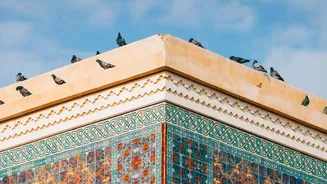
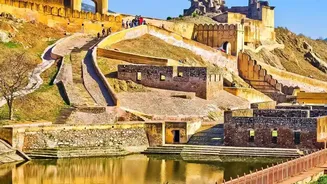
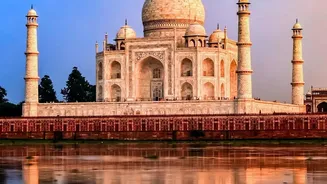
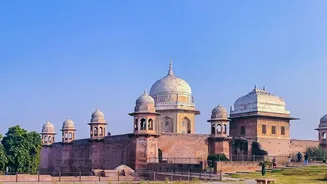
The connection between India and Uzbekistan is not new; it is millennia old. This is the land of the Fergana Valley, the birthplace of Zahir-ud-din Muhammad Babur, the founder of the Mughal Empire in India. For Indians, traveling through Uzbekistan is like walking through a prequel to their own history. The architectural DNA seen in the grand mausoleums and madrasas of Samarkand clearly influenced later Mughal masterpieces like the Taj Mahal. This historical resonance provides a unique sense of familiarity. The cultural threads extend to cuisine, with dishes like pilaf and kebabs having shared roots, and a mutual appreciation for arts and music that flourished along the Silk Road. This deep-seated connection forms the bedrock of the modern relationship, making the current diplomatic warmth feel less like a new alliance and more like a long-awaited reunion.
The Geopolitical Pivot to Central Asia
The growing relationship is a key component of India's 'Connect Central Asia' policy, a framework designed to deepen engagement in a strategically vital region. For decades, India's access to Central Asia has been limited by geography and challenging regional politics. Uzbekistan, as one of the most populous and centrally located nations in the region, has become an anchor for India's ambitions. This partnership is crucial for diversifying trade routes, ensuring energy security, and collaborating on regional stability, particularly concerning Afghanistan. By strengthening ties with Tashkent, New Delhi gains a reliable partner in a region where other global powers have long held sway, allowing India to play a more active role in shaping Central Asia's future.
Beyond Tourism: Trade and Investment
While tourism is the most visible aspect of the partnership, the economic goals are far more ambitious. The two nations have elevated their ties to a comprehensive strategic partnership, setting a goal to increase bilateral trade significantly. Indian companies are increasingly investing in Uzbekistan, with a noticeable presence in sectors like pharmaceuticals, vehicle parts, and technology. In the first half of 2026 alone, Indian investments and loans directed to Uzbekistan's fixed capital amounted to a substantial sum, and hundreds of enterprises with Indian capital are now operating in the country. In return, Uzbekistan is a reliable supplier of key resources like uranium, which is vital for India's energy security. This burgeoning economic relationship provides the substance that underpins the strategic convergence of the two nations.