



The Great Un-Greying of Indian Interiors
For the better part of a decade, Indian interior design took its cues from a global minimalist aesthetic defined by stark whites and cool greys. It was clean, modern, and photographed beautifully for social media. Kitchens, in particular, became clinical,
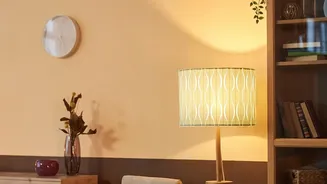
almost laboratory-like spaces. However, this trend, originally conceived for the soft light of Scandinavian homes, often felt harsh and unwelcoming in the intense Indian sun. Today, designers and homeowners are course-correcting, moving away from sterile perfection towards what is being called 'warm minimalism'. This philosophy keeps the clean lines and uncluttered feel of minimalism but swaps the cold palette for one that feels human, inviting, and deeply comfortable.
The Psychology of a Warm Kitchen
The kitchen is the heart of the Indian home, a space of nourishment, conversation, and creation. The shift to richer colours is fundamentally about making this space feel more emotionally resonant. Warm tones—from earthy terracottas to deep blues—have a grounding psychological effect. Unlike cool tones that can make a space feel larger but more impersonal, warm colours create a sense of intimacy and enclosure, making a room feel like a safe, cosy haven. In a cultural context where hospitality and family gatherings are central, a warm and welcoming kitchen encourages people to linger and connect. Colours like deep greens and blues evoke feelings of calm and serenity, while earthy reds and oranges foster a sense of energy and community.
A Palette That Belongs to India
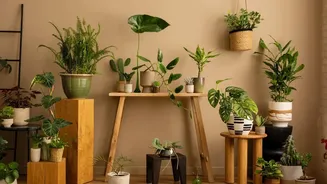
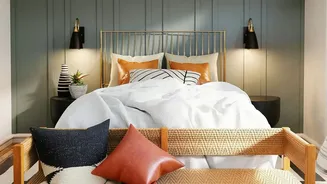
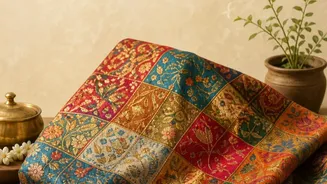
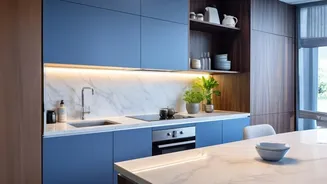
The latest trending kitchen colours are not arbitrary; they have deep roots in Indian tradition and work beautifully with our environment. Earthy tones like terracotta, ochre, and sage green are dominating kitchen designs. These shades are not just aesthetically pleasing; they are practical. Terracotta, for example, connects to a long history of clay cookware and architecture, while its warm hue is excellent at hiding the inevitable stains from Indian cooking spices. Deeper jewel tones are also gaining immense popularity. Rich forest greens, bold navy blues, and even luxurious burgundies are being used for cabinets and feature walls. These colours pair exceptionally well with the brass fixtures, warm woods like teak, and natural stone countertops that are staples in many Indian homes, creating a look that feels both timeless and modern.
More Than Just a Coat of Paint
This trend extends beyond just wall colours. Richness is being introduced through a variety of materials and finishes. Cabinetry is a major player, with designers opting for deep-coloured laminates and wood finishes instead of the once-ubiquitous high-gloss white. Matte finishes are particularly popular, as they absorb light and give colours a sophisticated depth. Backsplashes have become a canvas for expression, featuring patterned tiles with bold colours. Even appliances are now available in a range of hues, allowing them to be integrated seamlessly into the overall colour scheme. The goal is to create a layered, textured space that feels curated over time, not installed in a day. The focus is on natural, tactile materials that make a home feel authentic and lived-in.
How to Embrace Colour in Your Kitchen
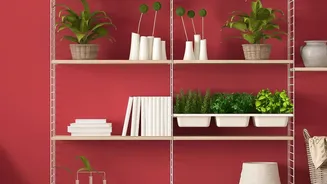
Adopting this trend doesn't require a complete overhaul. For those hesitant to commit to a full-colour kitchen, starting small is key. A feature wall in a deep teal or a warm terracotta can dramatically change the room's mood without overwhelming it. Another popular approach is the two-tone cabinet design, using a darker colour for the lower cabinets and a lighter neutral for the upper ones to keep the space feeling bright and open. Balancing deep colours with good lighting, both natural and artificial, is crucial to prevent the space from feeling dark. Finally, incorporating natural elements like wooden chopping boards, earthenware pots, or brass accessories can amplify the warmth of the colour palette and complete the inviting, lived-in aesthetic.