







The Philosophy of a Modern Pantry
Think of a useful pantry not as a collection of countless ingredients, but as a curated system. It is your personal, at-home grocery aisle, stocked with the building blocks for dozens of meals. The goal isn’t to have everything, but to have the right
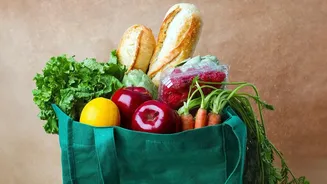
things: versatile, long-lasting, and nourishing items that provide a reliable starting point. This approach saves money by enabling you to buy in bulk, reduces food waste, and frees you from the tyranny of last-minute grocery runs. It’s an investment in your peace of mind, budget, and well-being, providing a safety net for busy weeknights, unexpected guests, or any situation where a trip to the store isn't feasible. A thoughtfully stocked pantry empowers you to cook with creativity and confidence, knowing a satisfying meal is always within reach.
The Power of Pulses
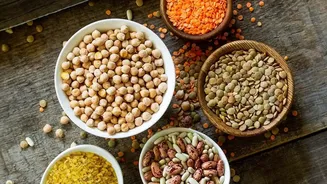
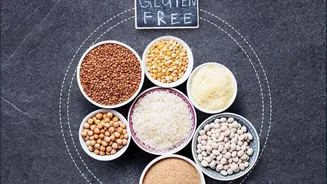
Pulses—the family of lentils (dal), beans, and chickpeas—are the quiet workhorses of a functional pantry. In India, they are a cornerstone of daily cuisine for good reason. They are an excellent source of plant-based protein, dietary fibre, and essential nutrients like folate and iron. A cup of cooked lentils, for example, offers a significant amount of your daily protein and fibre needs with very little fat. Their high fibre content promotes digestive health and provides a feeling of fullness, which can help with weight management. Stocking a variety of pulses like toor dal, masoor dal, chana (chickpeas), and rajma (kidney beans) opens up a world of culinary possibilities. They form the base for countless dals and curries, can be sprouted for salads, ground into flour for pancakes, or used in hearty soups and stews.
Go With Whole Grains
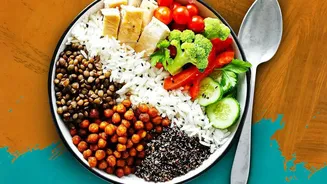
Whole grains are the energizing backbone of a healthy diet, and a must-have in your pantry. Unlike refined grains, which are stripped of their bran and germ, whole grains retain their full nutritional profile, offering more fibre, vitamins, and minerals. This includes staples like whole wheat atta for rotis, brown rice, bajra (pearl millet), jowar (sorghum), and ragi (finger millet). These complex carbohydrates provide sustained energy release, helping to stabilize blood sugar levels. The fibre in whole grains supports heart health by helping to lower cholesterol levels and is associated with a reduced risk of several chronic diseases. When pulses and whole grains are eaten together, they provide a complete protein, offering all the essential amino acids your body needs, similar to the quality of protein found in meat.
Versatile Basics That Tie It All Together
Beyond pulses and grains, a truly useful pantry relies on a supporting cast of versatile basics that bring meals to life. These are the flavour-makers and foundational elements. Start with cooking fats like ghee and a neutral vegetable or groundnut oil. A well-maintained spice box (masala dabba) with essentials like turmeric, cumin seeds, coriander powder, and red chilli powder is non-negotiable in an Indian kitchen. Aromatics like onions, garlic, and ginger are the starting point for most savoury dishes. Acids such as lemon juice, vinegar, or tamarind paste add brightness and balance. Finally, have a sweetener on hand, like jaggery or sugar, for balancing flavours in sauces or for making traditional sweets. These items, when combined with your pulses and grains, create a flexible system that allows you to cook a vast range of dishes without needing a specific, lengthy ingredient list for every meal.
Smart Storage for Lasting Freshness
Buying these wonderful staples is only half the battle; storing them correctly is crucial to protect your investment and ensure they remain fresh and pest-free. The enemies of dry goods are moisture, heat, light, and air. The best practice is to transfer pulses and grains from their store packaging into airtight containers. Clear glass jars or food-grade plastic containers are excellent choices as they let you see what you have at a glance. Store these containers in a cool, dark, and dry place, like a dedicated pantry cupboard away from the stove or direct sunlight. For long-term storage of bulk purchases, consider using food-grade buckets with gamma seal lids, which offer superior protection. By keeping your pantry organised and your staples properly stored, you’ll minimise waste and ensure your ingredients are always ready for your next culinary creation.