





The cancellation of three Taylor Swift concerts in Vienna following the uncovering of an alleged terror plot sent a chill through the global music community. This was not just a close call; it was a stark reminder of the evolving security risks facing
large-scale public events.
What Happened in Vienna
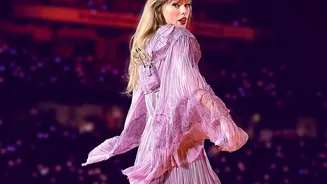
In August 2024, Austrian authorities arrested several young men who were allegedly in the advanced stages of planning an attack on Swift's sold-out shows at Ernst Happel Stadium. The suspects, described as being radicalized online and inspired by the Islamic State group, intended to use explosives, knives, and other weapons to attack fans. The primary targets were the tens of thousands of people expected to gather outside the stadium who couldn't get tickets. Following the arrests and the discovery of bomb-making materials, the concert promoter, in a difficult decision, cancelled all three shows, citing the need to ensure everyone's safety. In the years since, the main perpetrator was convicted and sentenced to 15 years in prison in May 2026, bringing some legal closure to the incident.
A New Reality for Global Tours
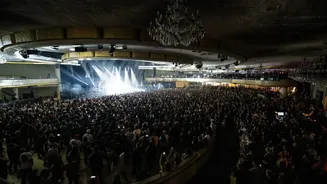
The Vienna plot highlights a grim reality: the world's biggest cultural events are also its most attractive targets. The Eras Tour, as the highest-grossing tour of all time, presents an unprecedented security challenge. Its massive scale, with 65,000 fans inside a venue and up to 30,000 more listening outside, creates a soft target that is incredibly difficult to secure completely. The incident immediately triggered enhanced security measures at subsequent tour stops, like London, where 'ticketless' fans were barred from gathering outside Wembley Stadium. This move reflects a shift in thinking, where the perimeter of concern now extends far beyond the venue's walls to include anyone drawn to the spectacle.
The Invisible Shield of Security
While the news from Vienna was alarming, the fact that the plot was thwarted is a testament to the complex, multi-layered security operations running behind the scenes. The initial tip-off came from international intelligence partners, including the American CIA and, as revealed in November 2026, Israel's Mossad, which assisted Austrian authorities in tracking the suspects. This level of international cooperation is becoming standard for major events. Modern concert security is a massive undertaking involving threat assessments, vulnerability mapping of venues, and extensive coordination with local and national law enforcement. For fans on the ground, much of this work is invisible, from covert surveillance to digital monitoring, all designed to identify and neutralize threats before they can materialize.
What This Means for Concertgoers
The foiled Vienna attack, much like the tragic 2017 bombing at an Ariana Grande concert in Manchester, forces a recalibration of what it means to be safe at a show. For the live music industry, it means investing more in predictive analytics, AI-powered surveillance, and even drone monitoring to manage and protect huge crowds. For fans, it means accepting a new normal of heightened security measures: stricter bag policies, more thorough screening, and restricted access to areas outside the main venue. While these measures can feel inconvenient, they are a direct response to a clear and present danger. It also underscores the importance of fan vigilance. Authorities often rely on the public to report suspicious activity, and in the world of large-scale events, the principle of 'see something, say something' has never been more relevant.