

A Postcard with a Puzzle
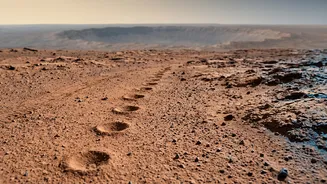
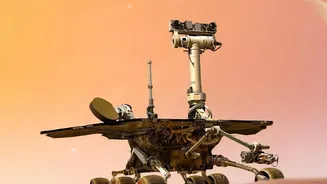
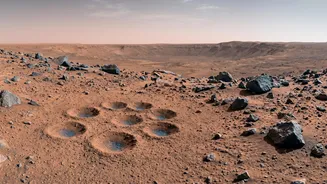
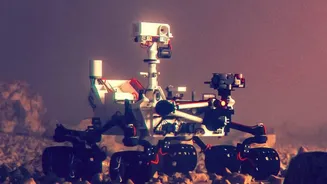
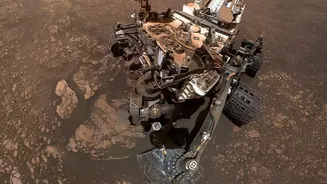
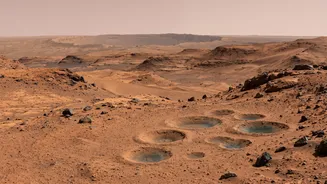
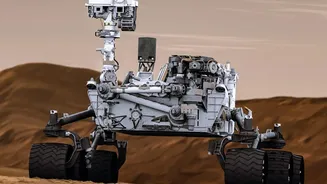
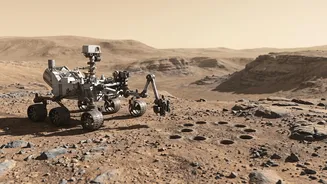
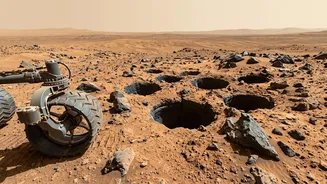
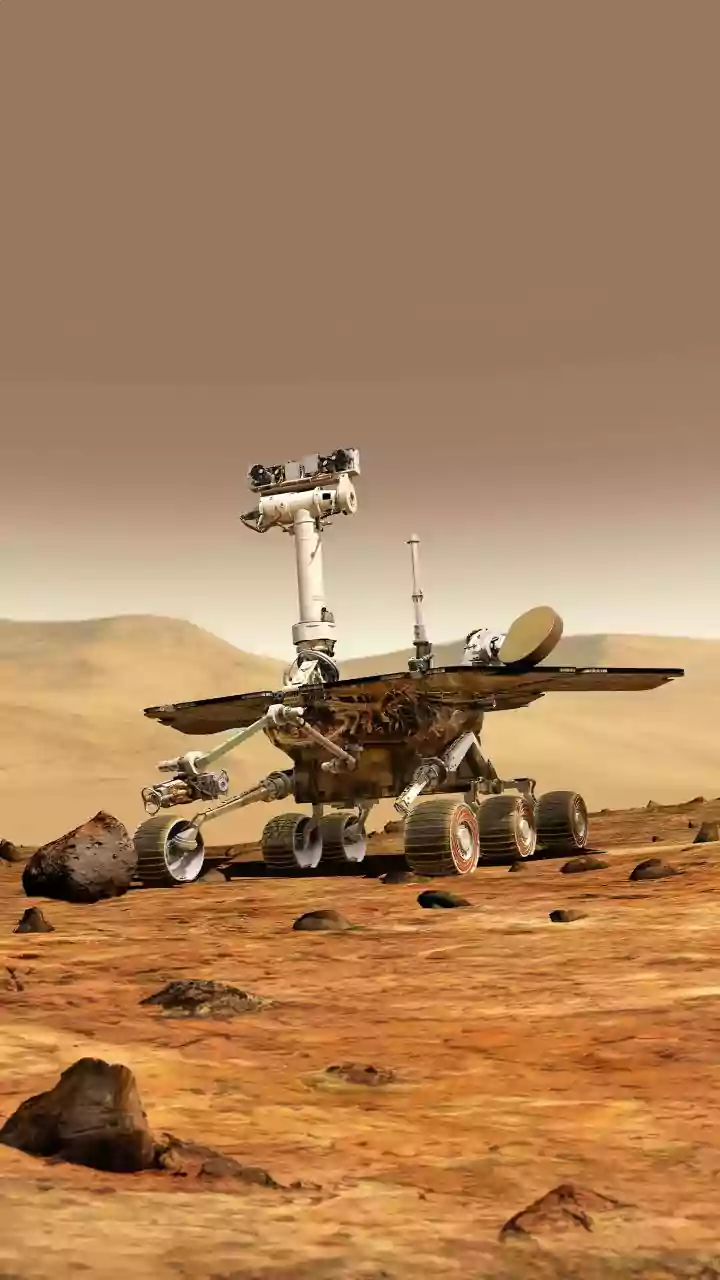
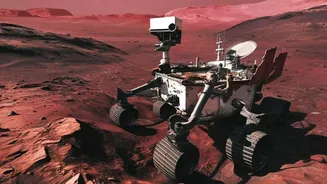
While trekking through a region of Gale Crater known as Valle Grande, the car-sized rover stumbled upon a peculiar sight: clusters of small, shallow pits dotting the bedrock. Mars is certainly no stranger to holes; the planet is covered in craters from
meteorite impacts. But these depressions are different. They are not the result of cosmic collisions, and they present a new geological mystery for the mission's science team to solve. Found while ascending Mount Sharp, a massive mountain in the center of the crater, these features offer another clue in the grand story of how Mars evolved from a potentially wet and habitable world into the cold, dry planet we see today.
What Makes These Holes Different?
On both Earth and Mars, small pits in rock can often be explained by a straightforward process. A harder chunk of material, like a pebble or mineral nodule, is embedded in softer surrounding rock. Over eons, as wind and other forces erode the softer material, the more resistant piece eventually weathers out, leaving a small cavity behind. The problem with this new discovery is that these holes don't fit the typical profile. They are unusually broad and shallow, and crucially, there are no obvious pebbles or nodules nearby that look like they once occupied the spaces. As one scientist noted, the pits are not accompanied by the objects that would have logically formed them, deepening the puzzle.
Gathering Clues from Millions of Miles Away
Presented with an anomaly, the NASA team operating Curiosity is doing what scientists do best: gathering more data. The rover has been commanded to take a closer look at these formations. Using its Mars Hand Lens Imager (MAHLI), it has captured detailed, close-up photos of the pits, some of which are barely a centimeter in diameter. At the same time, its powerful Mastcam has been taking multiple overlapping images of the surrounding terrain. The goal is to combine these stereo images to build a three-dimensional digital model of the area. This 3D map will allow researchers to precisely measure the pits' shapes and depths, helping them work backward to figure out what kind of geological process could have sculpted them.
The Search for a Terrestrial Explanation
While the origin is currently unknown, scientists are not jumping to extraordinary conclusions. The mystery is a geological one, not a biological one. Researchers are focused on finding a natural process that could explain the features. Other possibilities besides erosion of embedded pebbles include unusual weathering of the rock itself or perhaps some form of sublimation, where underground ice turns directly into gas, causing the ground above to collapse. The area is also notable for rapid changes in the appearance of its rock layers, suggesting the environment here transformed quickly in the distant past. The holes might be another piece of evidence pointing to a unique and dynamic period in Mars' history. For now, scientists are avoiding any single definitive explanation until more data can be analyzed.