






A Culinary Revolution for the Front Lines
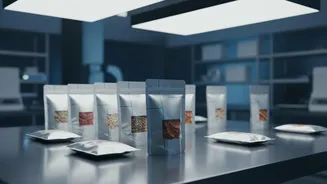
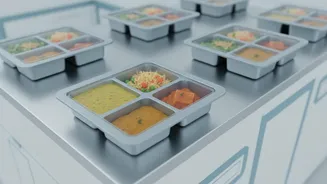
The Defence Food Research Laboratory (DFRL) in Mysuru, a key establishment under the DRDO, has developed an impressive and expansive menu of ready-to-eat (RTE) meals tailored for the armed forces. This is not just about basic rations; it's a culinary
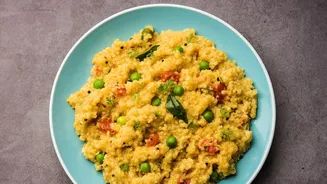
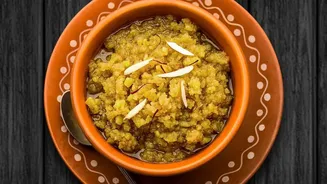
upgrade designed for diverse tastes and extreme environments. The offerings include everything from protein-rich mutton bars and chicken katti rolls to familiar comforts like dal makhani, shahi paneer, and vegetable biryani. For soldiers with a sweet tooth, there are options like moong dal halwa. The innovations even extend to preserved chapatis that remain soft and edible for up to a year without preservatives, thanks to advanced processing techniques like retort sterilization. This technology ensures food safety and a long shelf life, making these meals ideal for personnel in remote locations where fresh cooking is impossible.
Tailored for Extreme Environments
These food products are not a one-size-fits-all solution. DFRL has engineered specific MREs (Meals-Ready-to-Eat) for different operational terrains, including high-altitude zones like Ladakh, desert regions, and naval environments for sailors and submarine crews. The nutritional science is precise, with caloric values ranging from 2,600 to 4,600 kcal to meet the intense energy demands of soldiers in combat or extreme weather. For example, protein-rich bars and anti-fatigue foods containing ingredients like tulsi have been specifically developed for high-altitude deployment. The laboratory has also ventured into developing foods for India's Gaganyaan space mission, demonstrating its capability to meet the most stringent nutritional and packaging requirements.
The Great Wall of Bureaucracy
Despite these scientific achievements, the path from the laboratory to the field is fraught with delays. The headline's assertion that "certification time ran short" points to a chronic and systemic issue within the military's procurement and supply chain management. Getting a new food product approved for military use is a multi-stage process involving various bodies, including the Army Service Corps (ASC), which handles procurement and distribution. Reports over the years, including from the Comptroller and Auditor General (CAG), have highlighted inefficiencies in this supply chain, describing it as outdated and economically dysfunctional. The system involves lengthy trials and quality checks at multiple labs, and any new product, even one from a trusted source like DRDO, must navigate this labyrinth. This process can take years, meaning by the time a product is approved, the immediate operational need may have changed or a newer technology might already be available.
Innovation on Standby
The consequence of these procedural delays is straightforward: soldiers are deprived of the benefits of cutting-edge Indian research and development. While DFRL has successfully transferred hundreds of its technologies to private firms for civilian use, its primary client—the armed forces—often has to wait. The issue is not the quality of DRDO's products, which are often compared favourably to international military rations. Instead, the bottleneck lies in a procurement framework that has been flagged for being slow and resistant to change. This creates a frustrating paradox where the nation's top defence scientists are creating solutions that the system is too slow to adopt, leaving innovation on the shelf while troops make do with existing, sometimes inferior, rations. Streamlining this certification and procurement process is essential to ensure that the ingenuity of DRDO's labs translates into tangible benefits for the men and women on the ground.