



The Headline Figure
The most frequently cited figure for the cost of running Parliament is approximately ₹2.5 lakh per minute. This translates to about ₹1.5 crore per hour and nearly ₹9 crore for a typical six-hour sitting day for both the Lok Sabha and Rajya Sabha. When
a full day is lost to adjournments and protests, the direct financial cost is staggering. During the 2026 Budget Session, for instance, combined losses from disruptions in both Houses were estimated to be around ₹57 crore. It is important to note, however, that these figures are based on estimates that are over a decade old, but they remain the most widely used reference point in the absence of updated official calculations.
Breaking Down the Costs
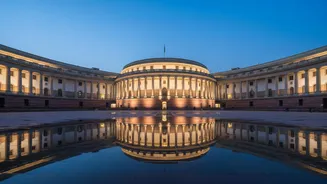
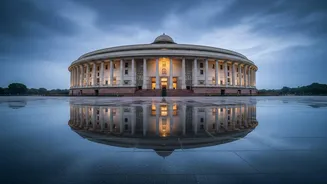
So, where does this money go? The calculation is not just about the lights being on. The cost of running Parliament is a comprehensive figure that includes a wide array of direct and indirect expenses. These include the salaries and daily allowances paid to Members of Parliament, even on days when no work is done. It also covers the salaries of the vast administrative staff, from the secretariat to security personnel, who are essential for the functioning of the institution. Furthermore, the costs encompass the operational expenses of the Parliament building itself, such as building maintenance, electricity, water, and other utilities which continue to accrue whether the Houses are functioning or not.
The Price of an MP
A significant portion of the daily expenditure is tied to the Members of Parliament themselves. Each of the nearly 800 MPs across both houses receives a salary and various allowances. This includes a daily allowance of ₹2,000 for attending a session, a constituency allowance, and office expenses. When Parliament is in session, these costs add up quickly. Even when disruptions bring proceedings to a halt, these expenses continue to be paid from the public exchequer. This is a direct, tangible cost that taxpayers bear for every moment of lost productivity.
The Unseen Operational Overheads
Beyond the salaries, the operational machinery of Parliament is immense. It includes the entire Lok Sabha and Rajya Sabha secretariats, a large security detail, and support staff who manage everything from legislative research to food services. The high-tech infrastructure of the new Parliament building also comes with significant running costs. There's also the expense of live broadcasting through Sansad TV. All these elements contribute to the daily financial footprint of the institution, and these costs don't stop when debates do.
The Intangible Democratic Cost
Perhaps the most significant cost of a lost parliamentary day cannot be measured in rupees. Every minute of disruption is a minute not spent on debating laws, scrutinising the government, or raising issues of public importance. This has severe consequences for democracy. Important legislation may be passed without any debate, as has happened on several occasions, or crucial bills addressing national issues get endlessly delayed. The Question Hour, a primary tool for holding the government accountable, is often the first casualty of disruptions. This erosion of legislative oversight weakens the very foundation of parliamentary democracy, a cost far greater than any financial figure.