
Anatomy of a Record-Breaking Surge
In the first six months of 2026, BMW Group India delivered a record 9,075 cars, marking a significant 17% increase compared to the same period in 2025. This isn't just a fleeting success; the growth was consistent across both the first and second quarters,
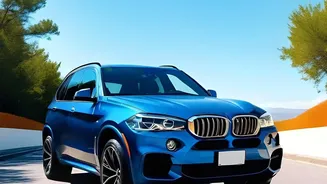
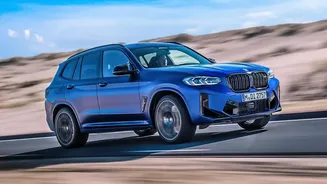
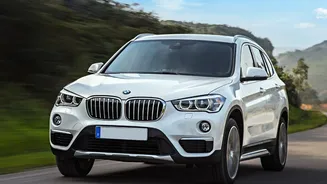
indicating sustained demand. The primary drivers of this achievement were clear: a booming electric vehicle (EV) portfolio and the unwavering popularity of its Sports Activity Vehicles (SUVs). SUVs accounted for a staggering 65% of the company's total sales, growing 35% year-on-year. Simultaneously, long-wheelbase models, which offer extra rear-seat space favored by chauffeur-driven owners in India, saw a 24% sales increase and made up over half of all cars sold. This multi-pronged success demonstrates a keen understanding of the specific preferences shaping the modern Indian luxury car buyer.
The Electric Charge Dominating the Market
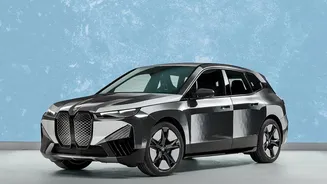
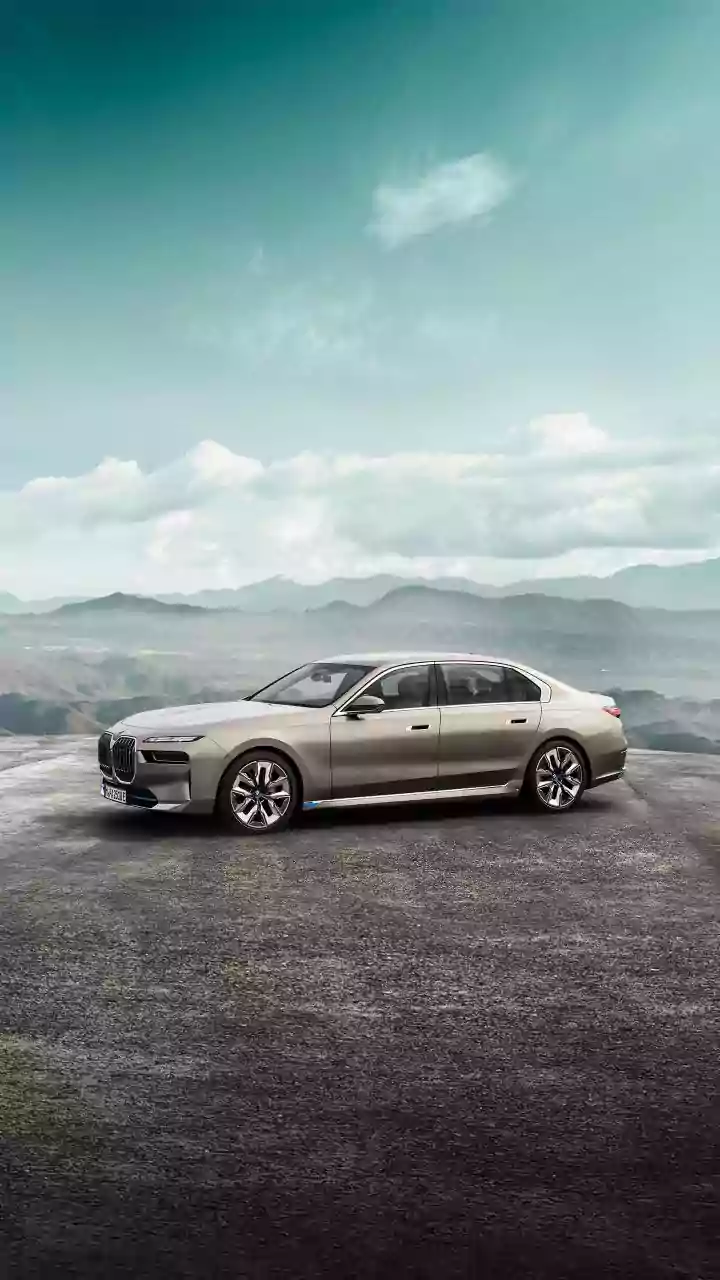
The most significant story within BMW's growth is its commanding lead in the electric vehicle space. The company sold 2,359 EVs in the first half of 2026, a massive 78% jump from the previous year. This means that roughly one out of every four cars sold by the BMW Group in India is now fully electric, a dramatic increase in EV penetration from 18% to 26% in just one year. This performance has solidified BMW's position as the number one brand in the country's luxury EV segment, reportedly holding a 69% market share. The success is attributed to a wide portfolio that offers multiple entry points for consumers, from the locally assembled iX1 to premium models like the i4, iX, and the flagship i7 sedan. This aggressive EV strategy has allowed BMW to capitalize on a market shift, partly influenced by discussions around fuel prices, and has become a core pillar of its success.
What's Next: A Wave of New Models
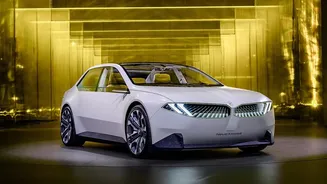
Building on this strong foundation, BMW is not resting on its laurels. The company has confirmed an aggressive product offensive for the remainder of 2026. Having already introduced 11 new products in the first half of the year, another 14 launches are planned across the BMW, MINI, and BMW Motorrad brands before the year ends. This plan is one of the most ambitious seen from a luxury carmaker in India, designed to maintain showroom excitement and attract a diverse customer base. While the complete list is under wraps, the upcoming wave is expected to include crucial updates and all-new models. Expected arrivals include a facelifted 4 Series and potentially the electric iX3, which is based on the brand's next-generation 'Neue Klasse' architecture. The brand's two-wheeler division, BMW Motorrad, is also part of this push, ensuring fresh offerings across all of the group's customer segments.
Strategy, Competition, and Future Ambitions
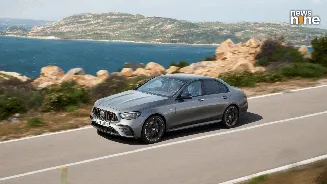
This sales and product momentum is part of a broader strategy to solidify its position in India's highly competitive luxury market. While rival Mercedes-Benz maintained the top sales spot in the first half of 2026 with 9,768 units, BMW is steadily closing the gap. The sales difference between the two German giants has been consistently narrowing over the past few years. Beyond new cars, BMW's strategy includes significant network expansion, with plans to increase its retail presence to 50 cities by the end of 2026, particularly targeting growth in Tier II and Tier III markets where demand is growing at over 20%. With sights set on crossing the 20,000-unit mark for the first time in its annual sales, BMW's combination of a strong EV lineup, a diverse SUV portfolio, and a relentless launch schedule signals a clear ambition to lead the future of luxury mobility in India.