






The Numbers Behind the Surge
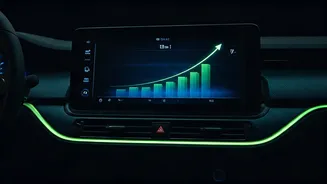
The headline-grabbing news is backed by impressive figures. In June 2026, Tata Motors recorded 12,025 electric vehicle registrations, a massive 124% jump from the 5,372 units registered in June 2025. This marks the first time the automaker has crossed
the 12,000-unit mark in a single month. The performance is not a one-off spike; it's a trend. For the entire first quarter of the fiscal year (April-June 2026), Tata registered 32,283 EVs, more than double the 15,794 units from the same period last year. This growth significantly outpaces the overall electric passenger vehicle market, which itself grew by a remarkable 106% in June.
A Multi-Pronged Strategy for Dominance
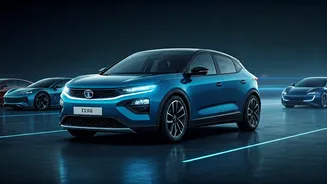
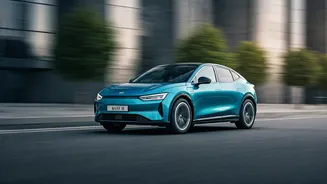
Tata's success isn't accidental. It's the result of a deliberate, early, and aggressive strategy. The company has successfully built a diverse portfolio that caters to various price points, a crucial factor in the price-sensitive Indian market. The Nexon EV continues to be a high-volume driver, but the recent momentum has been significantly boosted by the launch of the Punch EV in February and an updated Tiago EV. These models are effectively attracting first-time EV buyers, expanding the market beyond early adopters. This strategy of offering credible electric options across compact, sedan, and SUV-style bodies has allowed Tata to capture an impressive 38% of the e-PV market share.
Leading a Market in Transition
While Tata's performance is a standout, it's happening within the context of a rapidly electrifying Indian auto market. June 2026 was a landmark month, with total electric passenger vehicle sales crossing 30,000 units for the first time ever. Tata's main competitor, Mahindra, also had a strong showing, registering 7,645 units. However, Tata’s lead remains substantial. The Vahan registration data for June shows Tata's 12,025 units far ahead of Mahindra (7,645), MG Motor (5,785), and the newly entered Maruti Suzuki (1,896). This commanding lead demonstrates the power of Tata's first-mover advantage and its deep understanding of the Indian consumer.
The Road Ahead: New Launches and Rising Competition
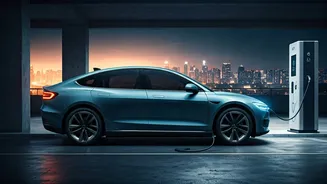
Tata is not resting on its laurels. The company recently launched the highly anticipated Sierra EV and has plans to introduce a facelifted Tigor EV and a Safari EV by the end of the year. These new models are expected to further strengthen its position in the premium and fleet segments. However, the road ahead will be more challenging. Competition is intensifying, with nearly every major manufacturer, including Maruti Suzuki, Hyundai, and Kia, along with new global players, ramping up their EV launch plans for India. Sustaining this level of dominance will require continuous innovation, scaling up production, and helping build out India's charging infrastructure. The next few years will determine if Tata can convert its current lead into long-term, unassailable market leadership.