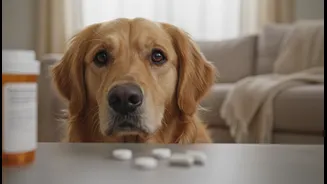




The Panic Is Real, and So Is the Danger
Every pet parent has felt that jolt of fear. Whether it is a half-eaten bar of chocolate, a spilled bottle of cleaning solution, or a shredded bag of a new plant, the immediate aftermath is a flurry of questions. Is it poisonous? How much did they eat?
What do I do now? Pets, especially young puppies and kittens, explore the world with their mouths. This natural curiosity can lead them into dangerous situations, as many common household items in India, from kitchen staples to cleaning agents, can be toxic. The first step in any potential poisoning situation is to stay calm and act quickly. Remove your pet from the source of the potential toxin and, if possible, take the item away to prevent further ingestion. Before you rush to the vet, there is one crucial piece of evidence you must secure: the packaging.
Why Packaging Is Your Most Important Clue
When you call your veterinarian or an emergency clinic, they will have a list of questions: your pet’s weight, age, symptoms, and the time of ingestion. But the most critical question will be, “What exactly did they eat?” This is where the product packaging becomes invaluable. It is far more than just a wrapper; it is a detailed dossier that allows a vet to perform an immediate and accurate risk assessment. The ingredient list tells the vet the specific substance they are dealing with. For example, not all chocolate is equally dangerous; dark chocolate contains more theobromine, the toxic compound, than milk chocolate does. Similarly, different types of rat poison require entirely different treatments. The vet needs to know the active ingredient to create an effective treatment plan.
Decoding the Label: What Your Vet Sees
Beyond just the active ingredients, the packaging provides information on concentration. A vet needs to know the strength of a substance to calculate whether your pet has ingested a toxic dose. The total weight or volume of the product also helps the vet estimate the maximum possible amount consumed, even if you did not see it happen. This information helps them decide the urgency and type of treatment, which might include inducing vomiting, administering activated charcoal to absorb the toxin, or starting intravenous fluids to support organ function. In some cases, inducing vomiting can be harmful, such as when a corrosive chemical is ingested, and having the ingredient list helps the vet make that critical call. Even inactive ingredients, or excipients, can sometimes be toxic to animals, making a complete list essential for proper diagnosis.
No Packaging? What to Do Next
If you cannot find the packaging, do not despair. Try to identify the product by its brand name. A quick online search may pull up the ingredient list, which you can then relay to the vet. If your pet has vomited, collecting a sample in a clean bag can also help with identification. While you should never induce vomiting without explicit instructions from a veterinarian, bringing a sample of vomit or any chewed remnants can be very helpful. The most important thing is to call for professional help immediately. Do not wait for symptoms to appear. Many toxins can cause irreversible damage before the animal shows any outward signs of distress. Be prepared to provide your pet’s approximate weight, breed, and any current health conditions or medications they are taking.
Prevention Is the Best Medicine
While knowing how to react in an emergency is vital, creating a pet-safe home is the best way to prevent accidents. Store all human medications, cleaning products, and pesticides in secure cabinets that your pets cannot access. Many common foods in Indian households, such as onions, garlic, grapes, and raisins, are toxic to pets and should never be shared. Be mindful of houseplants, as popular varieties like lilies are extremely deadly to cats. Regular vigilance and securing potential hazards can save you and your pet from a stressful and potentially tragic emergency visit to the vet.