



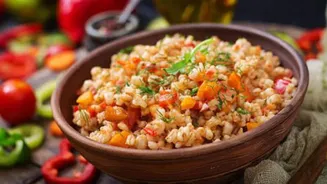


Barley's Blood-Sugar Superpower: Beta-Glucan
The secret to barley's success in managing blood sugar lies in its high concentration of a specific soluble fibre called beta-glucan. Think of beta-glucan as a sponge in your digestive system. When you eat barley, this fibre absorbs water and forms a thick,
gel-like substance. This gel slows down the digestion and absorption of carbohydrates, which means sugar is released into your bloodstream much more gradually. This prevents the sharp spikes and subsequent crashes in blood sugar that can leave you feeling tired and craving more sugar. In fact, barley has one of the lowest glycemic index (GI) scores of all grains, with some studies noting a GI as low as 28, making it an excellent choice for steady, sustained energy.
The Second-Meal Effect
One of the most fascinating benefits of barley is what researchers call the “second-meal effect.” Studies have shown that eating barley with an evening meal can lead to better insulin sensitivity and lower blood sugar levels after breakfast the next morning. This suggests that barley's benefits extend well beyond the meal you eat it with. The fibre in barley promotes the growth of beneficial gut bacteria, which in turn helps regulate metabolism and appetite hormones. This positive impact on your gut microbiome contributes to better blood sugar control over the long term, helping your body become more efficient at managing energy.
More Than Just a One-Trick Pony
While its blood-sugar benefits are impressive, barley is also a nutritional powerhouse. It's packed with essential vitamins and minerals, including manganese, selenium, magnesium, and B vitamins like niacin and thiamine. These nutrients play crucial roles in energy production, immune support, and overall cellular health. Barley is also a good source of antioxidants, which help protect your cells from damage. Its high fibre content not only aids blood sugar control but also promotes a feeling of fullness, which can help with weight management by reducing overall calorie intake.
Choosing and Cooking Your Barley
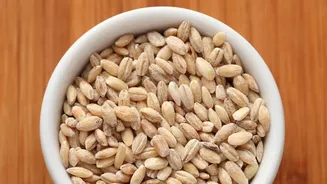
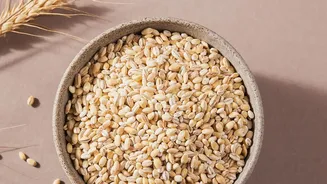
When you're at the grocery store, you might see a few different types of barley. Hulled barley is the whole-grain version with only the inedible outer husk removed, offering the most fibre and nutrients. Pearl barley, which is more common, has had the bran layer polished off. While it cooks faster, it has slightly less fibre. For the biggest blood-sugar benefit, hulled barley is the superior choice, but both are good options. To cook barley for breakfast bowls, simply boil it in water or milk until tender, which can take anywhere from 30 to 60 minutes depending on the type. You can easily cook a large batch at the start of the week and store it in the refrigerator for quick morning meals.
Building a Better Breakfast Bowl
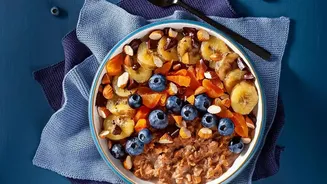
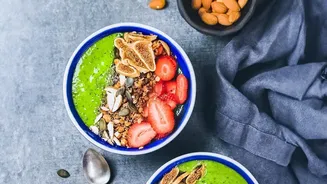
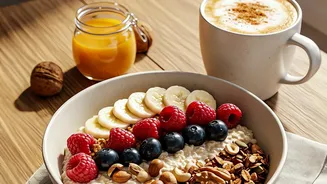
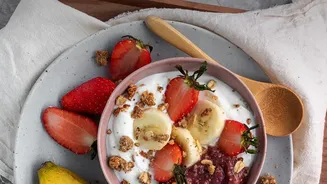
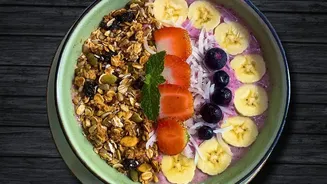
Once you have your cooked barley, the possibilities are endless. To keep the bowl blood-sugar-friendly, focus on toppings that add protein, healthy fats, and more fibre. Stir in a scoop of plain Greek yogurt or cottage cheese for a creamy texture and a protein boost. Top with a handful of berries for antioxidants and a touch of sweetness, and sprinkle on some nuts or seeds like chia, flax, or almonds for healthy fats and crunch. A dash of cinnamon can also help with blood sugar regulation and adds warmth. This balanced combination of macronutrients ensures your breakfast is not only delicious but also works to keep your energy levels stable all morning long.