







The Green and Brown Balancing Act
Successful composting is all about balance, specifically the ratio of carbon to nitrogen. Think of it as a recipe for microscopic organisms. These tiny workers need both carbon for energy and nitrogen for protein to do their job effectively. In compost lingo,
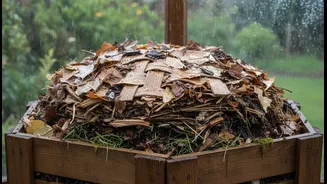
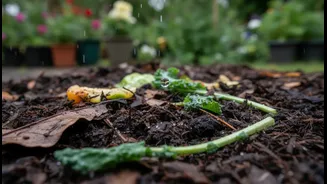
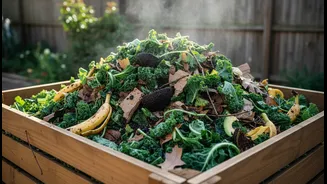
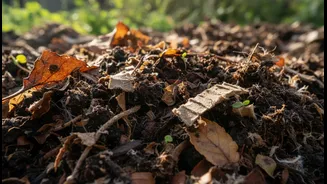
carbon-rich materials are called “browns,” and nitrogen-rich materials are called “greens.” Greens are the wet, fresh materials. This includes things like vegetable scraps, fruit waste, fresh grass clippings, and coffee grounds. They are packed with nitrogen and moisture. Browns are the dry, woody materials. Think of dried leaves, straw, sawdust, shredded cardboard, and twigs. These materials provide the carbon and also create crucial air pockets in the pile.
When Good Greens Go Bad
It’s easy to produce a lot of green waste from daily kitchen activities, which often leads to compost piles with an excess of nitrogen. When you add too many greens, the material compacts. The high moisture content of the greens fills in all the air gaps, effectively suffocating the pile. This creates an anaerobic environment—one without oxygen. In a healthy, oxygen-rich (aerobic) pile, beneficial microbes thrive, breaking down waste quickly and without foul odours. But in an anaerobic pile, a different set of microbes takes over. These organisms work much more slowly and produce byproducts like hydrogen sulfide, which creates a signature rotten-egg smell. Instead of a hot, active pile, you get a cold, dense, and slimy one that isn't breaking down.
Signs Your Compost is Anaerobic
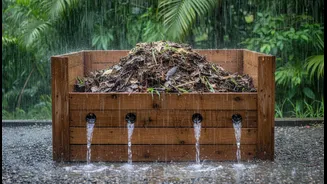
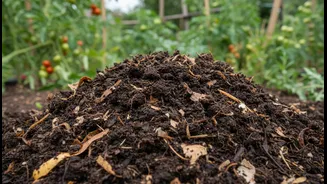
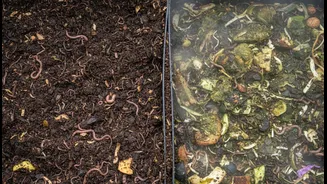
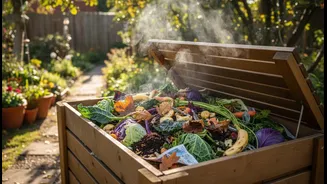
Is your compost suffering from too much green? Look for these tell-tale signs. The most obvious is the smell; a healthy compost pile smells earthy and pleasant, while an anaerobic pile can have a sour, ammonia-like, or rotten smell. The texture is another clue. If the material is slimy, matted together, and overly wet, it’s a strong indicator of anaerobic conditions. A healthy pile should feel like a wrung-out sponge, moist but not dripping. Finally, check the temperature. A properly functioning compost pile generates significant heat, often feeling warm or even hot to the touch in the center. A pile that is cold and stagnant is a sign that the beneficial aerobic microbes are not active.
How to Fix a Soggy, Smelly Pile
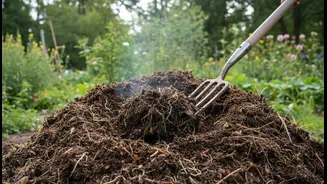
Don't despair—a slimy compost pile is completely salvageable. The solution is to restore the balance of carbon, nitrogen, and oxygen. First, stop adding green materials for a while. The key is to introduce more browns and air. Turn the pile thoroughly with a pitchfork or compost aerator. This will immediately break up compacted clumps and introduce oxygen. As you turn it, mix in a generous amount of dry, brown materials like shredded leaves, cardboard, newspaper, or sawdust. These browns will absorb excess moisture, provide the necessary carbon, and create the structure needed for air to flow through the pile again. You may need to turn the pile every few days and add more browns until the smell dissipates and the texture becomes more friable.
The Perfect Compost Recipe
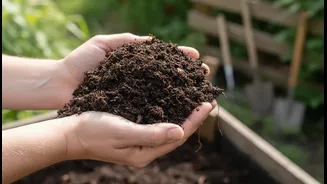
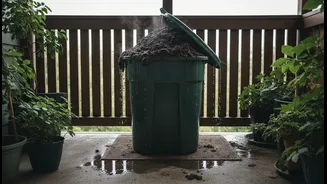
Prevention is always better than a cure. To avoid an anaerobic mess in the future, aim for a healthy balance from the start. Scientists have found the ideal carbon-to-nitrogen (C:N) ratio for fast, hot composting is around 25:1 to 30:1 by weight. However, you don't need a chemistry set to get it right. A practical rule of thumb is to use two to three parts brown material for every one part green material by volume. A simple way to achieve this is to keep a stockpile of brown materials, like a bag of autumn leaves or shredded cardboard, next to your compost bin. Every time you add a bucket of kitchen scraps (greens), cover it with a few handfuls of browns. This simple habit ensures your pile has the right ingredients to transform your waste into valuable, nutrient-rich compost for your garden.