
A Global Celebration of Space
Every year from October 4 to 10, over 95 nations come together to celebrate World Space Week, an international event declared by the United Nations in 1999. These specific dates commemorate two pivotal moments in space history: the launch of Sputnik 1,
the first human-made satellite, on October 4, 1957, and the day the landmark Outer Space Treaty came into force on October 10, 1967. The week serves as the largest annual space event globally, designed to inspire students, educate the public about the benefits of space technology, and foster international cooperation. Each year, a unique theme guides the thousands of events hosted by space agencies, schools, museums, and companies. From art exhibits to lectures, the goal is to bring the cosmos closer to communities on Earth.
The Engine of Change: A 'Rocket Revolution'
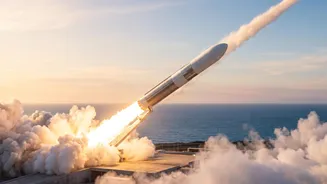
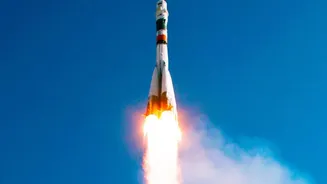
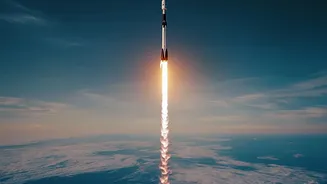
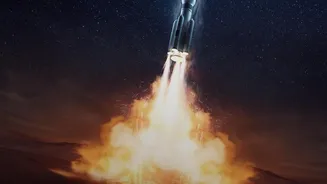
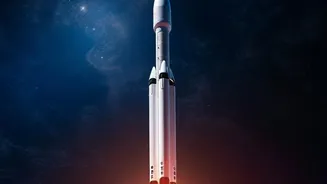
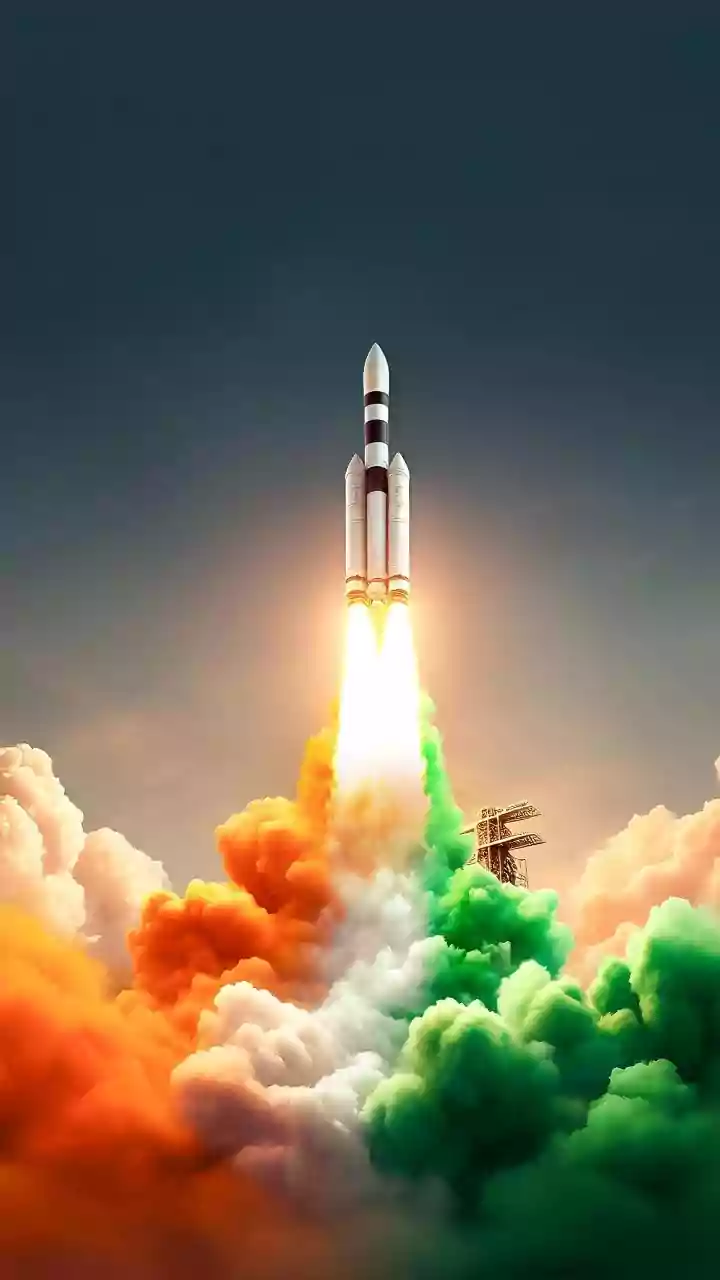
The theme for 2026, 'Rocket Revolution', perfectly captures the current moment in space exploration. For decades, reaching orbit was an expensive and exclusive affair, dominated by a few government agencies using single-use rockets. That paradigm has been shattered. The revolution is being driven by the development of reusable rockets, which dramatically lower launch costs, and the rise of a dynamic commercial space industry. Companies are pioneering technologies that allow rocket boosters to return to Earth and be flown again, while new startups and university teams are developing smaller, more agile launch vehicles. This transformation is changing who can get to space, how often we can go, and what we can do once we are there.
Innovation in Action
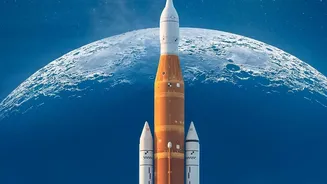
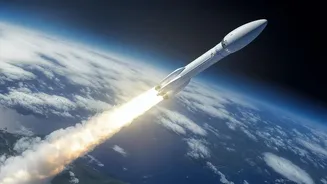
This revolution isn't just theoretical; it's happening right now. The ongoing success of reusable launch systems has become a regular occurrence, making satellite deployment and resupply missions more routine. Beyond established players, new rocket systems are constantly in development. For instance, European and Japanese agencies are collaborating on reusable demonstrators, and new launch vehicles are making their maiden flights, expanding the world's capacity to reach orbit. These technological leaps are the backbone of the 'Rocket Revolution', creating a more robust and diverse ecosystem for space activities. The falling costs and increased availability of launches are stimulating new applications for space, from ambitious scientific missions to novel satellite services that benefit life on Earth.
Connecting the Globe Through Outreach
A key part of the 'Rocket Revolution' is not just the technology itself, but its power to inspire and connect people globally. With lower barriers to entry, more countries and institutions can now participate in space activities, using them to address national priorities and drive sustainable development. This is the 'global outreach' at the heart of the headline. World Space Week events are designed to spark interest in science, technology, engineering, and mathematics (STEM) fields. Organizations like the Association of Space Explorers and various space agencies run programs where astronauts and scientists visit schools and community groups, sharing their experiences and encouraging the next generation of innovators. These efforts ensure that the benefits and inspiration of space exploration are shared as widely as possible.
India's Contribution to the Cosmic Cause
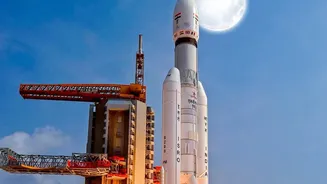
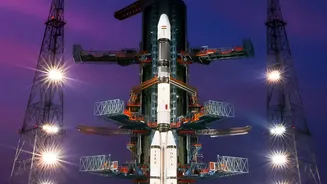
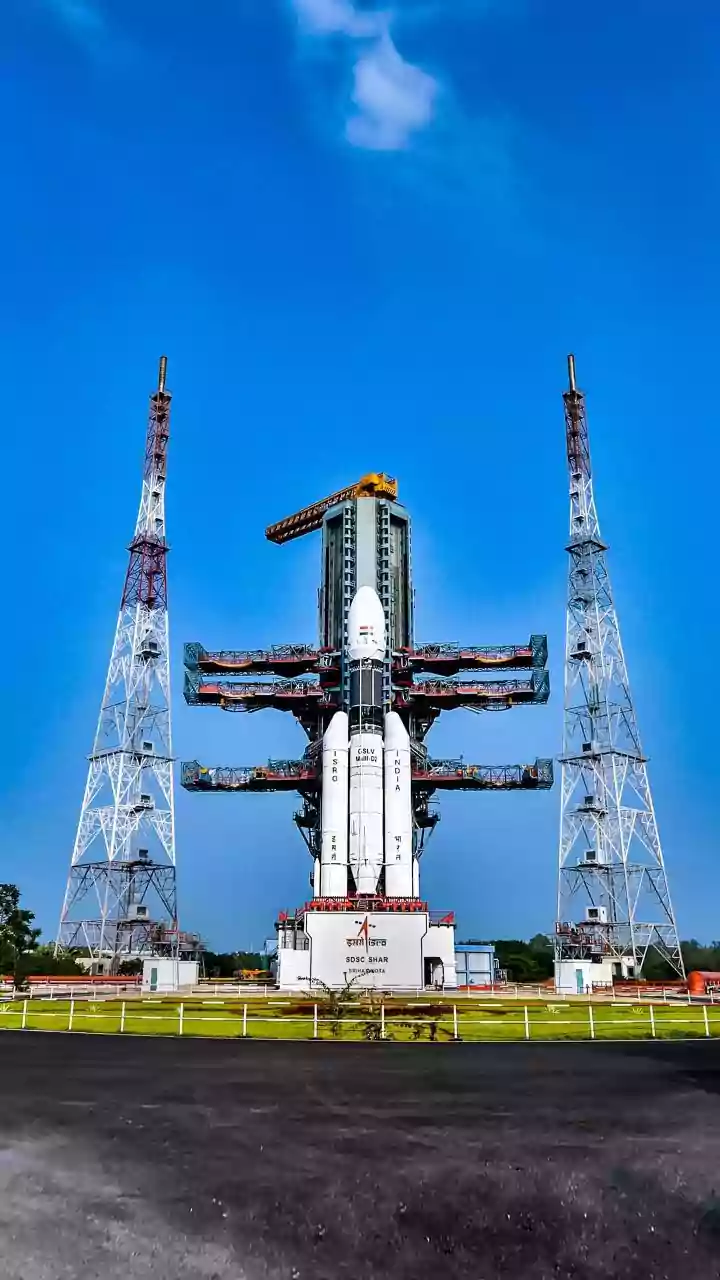
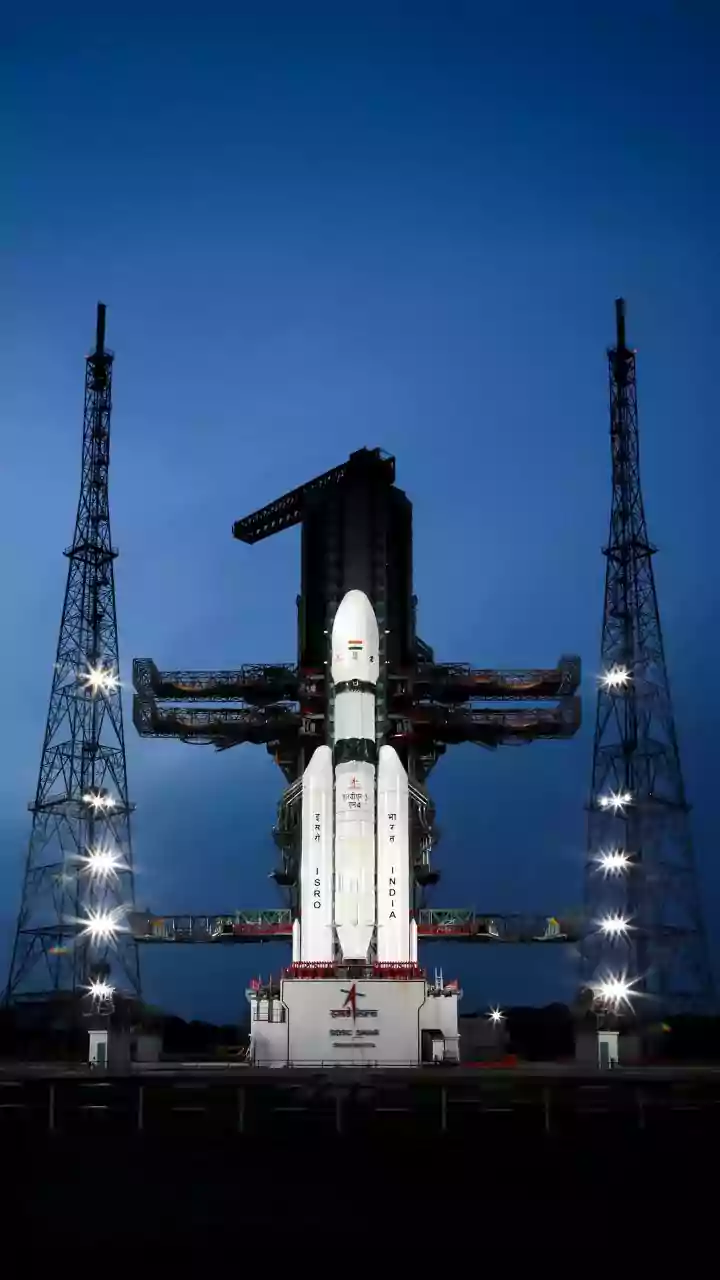
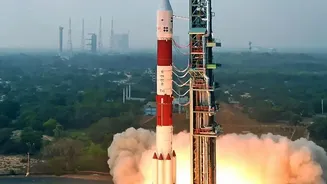
India is an enthusiastic participant in this global celebration. The Indian Space Research Organisation (ISRO) has a long tradition of using World Space Week for major outreach campaigns. This year, ISRO centres across the country, particularly in Kerala, are hosting a wide array of events aligned with the 'Rocket Revolution' theme, including interactive lectures by scientists, online programs for students, and public events at science museums. A sounding rocket launch is even planned as part of the week's activities in Thiruvananthapuram. Furthermore, India's own space sector is a key part of the revolution, with the successful launch of Vikram-1 this year marking the nation's first commercially built rocket, demonstrating its growing role in the new commercial space era.