





The Legend of the Blue Mountains
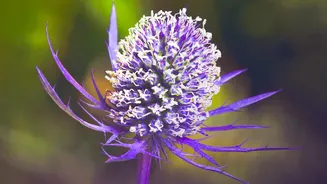
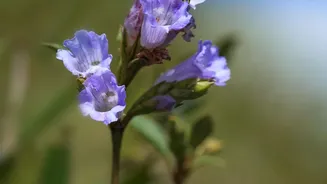
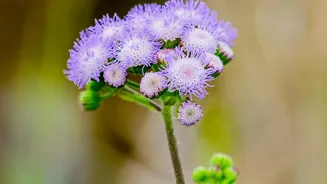
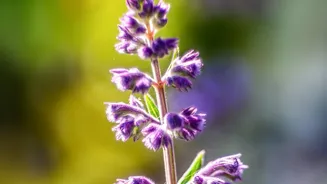
The spectacle is created by Strobilanthes kunthiana, a shrub known locally as Neelakurinji, which literally translates to 'blue flower'. This plant is endemic to the shola forests of the Western Ghats, a UNESCO World Heritage Site. It is so integral to the region
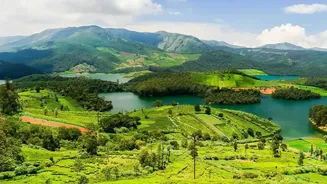
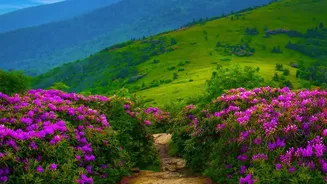
that it gives the Nilgiri Hills their name: 'Nil' meaning blue and 'Giri' meaning mountains. The flower belongs to the genus Strobilanthes, which has around 250 species, with at least 46 found in India, many of which have similarly unusual long-interval blooming cycles. But it is the 12-year cycle of Strobilanthes kunthiana that captures the imagination, turning vast landscapes into a breathtaking sea of colour.
A 12-Year Survival Strategy
The long gap between flowerings is a remarkable evolutionary strategy known as masting or gregarious flowering. The plant is monocarpic, meaning it flowers only once in its lifetime, reproduces, and then dies. By blooming in mass synchrony after a dozen years, the plants overwhelm seed predators like insects and rodents. There is simply too much seed for them to consume, ensuring that enough survive to germinate and begin the next 12-year cycle. This mass flowering event, documented since the 1830s, last occurred in 2018, with the next major bloom eagerly anticipated in 2030.
Cultural and Ecological Significance
For the local Paliyan and Muthuvan tribal communities, the Neelakurinji is more than just a flower; it's a celestial calendar. They have traditionally used its 12-year cycle to calculate their age. The flower is also deeply woven into the region's ecology. Its nectar is a vital food source for honeybees, which produce a rare and highly valued 'Kurinjithen' honey during the blooming season. The plant is considered an indicator species, meaning its health reflects the overall health of the fragile shola grassland ecosystem.
An Ecosystem Under Threat
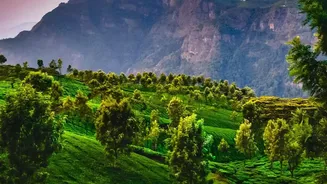
Despite its resilience, the Neelakurinji faces significant threats. Its habitat in the high-altitude grasslands is fragile and shrinking. Scientists estimate that approximately 40% of its original habitat has already been lost to tea and eucalyptus plantations, unchecked urbanization, and invasive plant species. The surge in tourism during blooming seasons, while economically beneficial, also brings challenges. Unregulated foot traffic leads to the destruction of plants before they can complete their life cycle. Recognizing these dangers, the International Union for Conservation of Nature (IUCN) has officially classified the species as 'Vulnerable'.
Protected by National Law
In a decisive move to safeguard this natural heritage, the Ministry of Environment, Forest and Climate Change has placed Neelakurinji under Schedule III of the Wildlife (Protection) Act, 1972. This legislation makes it illegal to pick, uproot, or destroy the plant. Anyone found violating this law faces a hefty fine of ₹25,000 and up to three years of imprisonment. Furthermore, the cultivation and possession of Neelakurinji are also prohibited under the new order. This legal protection empowers forest officials to take strict action, particularly in protected areas and national parks like Eravikulam, to ensure the plant's survival.