





The Science of Sight and Taste
The fascinating field of gastrophysics combines culinary arts with cognitive neuroscience to understand how our environment and expectations shape our dining experience. It’s not just about the ingredients; it's about everything else 'off-the-plate' that
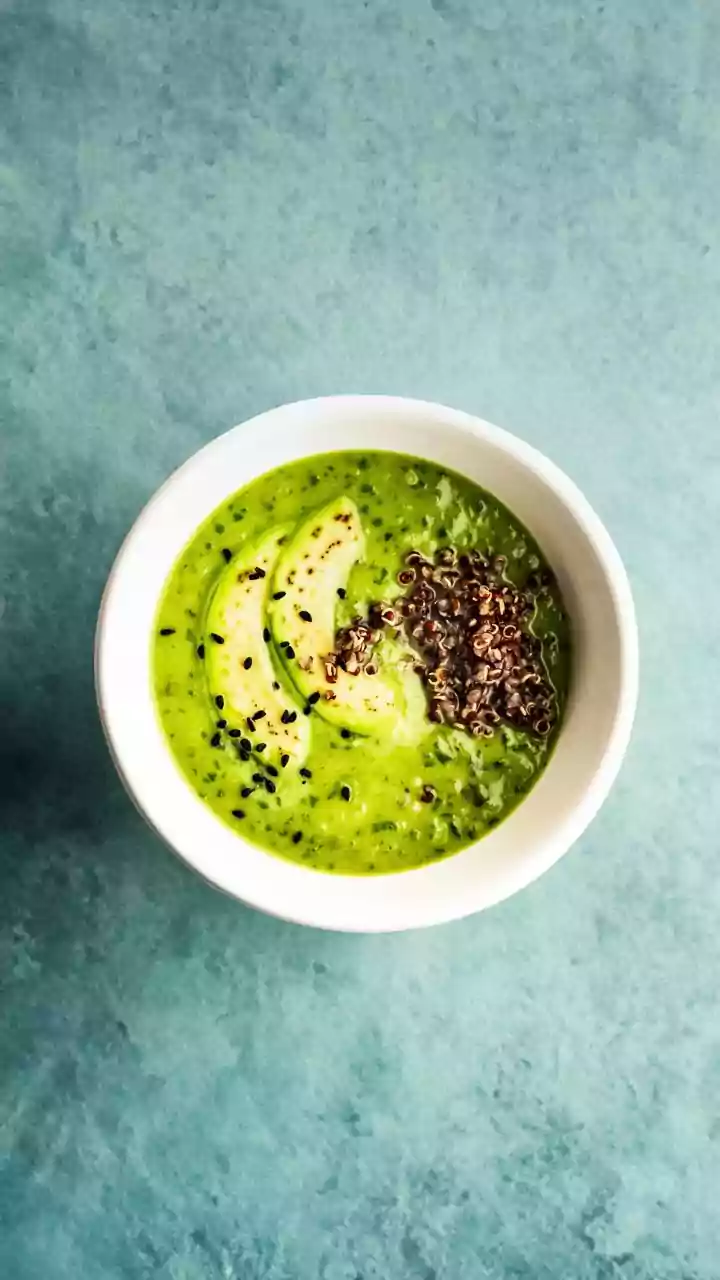
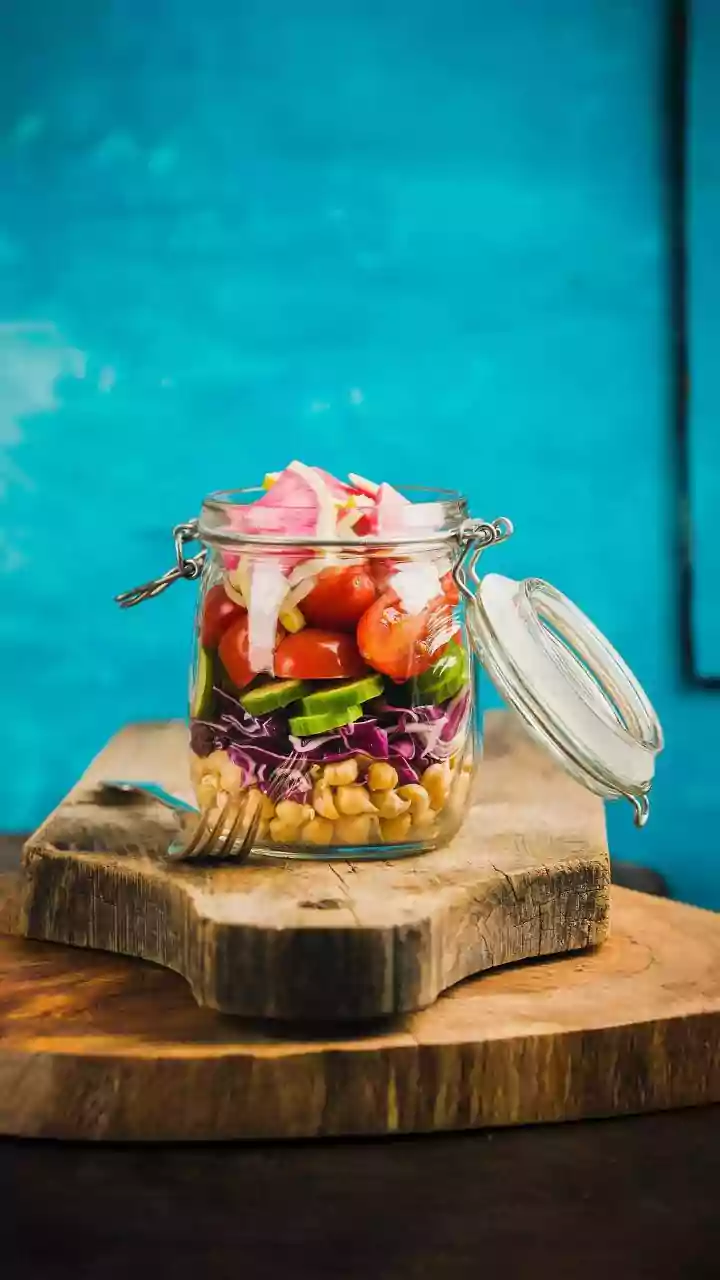
influences flavour. Researchers have found that our brain makes powerful associations long before we take our first bite. An artfully arranged dish signals care and quality, setting up a positive expectation. One study found that subjects not only preferred a neatly arranged plate over a messy one but were also willing to pay more for it, believing it came from a higher-quality restaurant. This 'visual hunger' is a powerful psychological primer, demonstrating that what we see significantly frames what we taste.
A Plate Is Not Just a Plate
The plate itself is a critical tool in this sensory manipulation. Multiple studies confirm that the colour and shape of your dinnerware have a measurable impact. For instance, research published in the journal 'Flavour' found that a strawberry mousse served on a white plate was perceived as 10% sweeter and 15% more intense than the exact same mousse served on a black plate. Generally, round, white plates tend to enhance perceptions of sweetness, while angular, black plates can amplify savoury or bitter notes. The brain associates the soft curves of a round plate with sweetness, while the sharper lines of a square plate trigger a more savoury expectation.
Colour Creates Expectation
Colour psychology is a major factor in how we perceive flavour intensity. Warm colours like red and yellow can act as an appetite stimulant, while greens suggest freshness. The contrast between the food and the plate is also key. High contrast can make food colours appear more vivid, leading our brains to believe the flavour will be more concentrated. This is why desserts often pop on a white plate, which increases perceived sweetness, while a dark plate can make a dish feel more luxurious and sophisticated, even leading people to believe it's more expensive. Some studies have even shown that snacks eaten from red or blue bowls can be perceived as saltier, potentially because our brains link those colours to popular snack food packaging.
Beyond the Visual
While sight is a dominant sense, gastrophysics shows that our other senses are also at play. The weight of cutlery, for example, can influence how much we enjoy a meal and what we're willing to pay for it; heavier cutlery tends to make food seem higher in quality. Sound is another surprisingly powerful factor. Professor Charles Spence of Oxford University famously won an Ig Nobel prize for research showing that people perceived Pringles as fresher and crispier when the crunch sound was amplified through headphones. Even background noise, like the sound of waves, has been shown to enhance the taste of seafood, proving that our perception of a meal is a truly multisensory experience.
Tricks for Your Own Table
You don’t need to be a fine-dining chef to use these principles at home. Simply being more intentional with presentation can elevate everyday meals. One study found that an attractively plated chicken dinner was liked significantly more than the same food presented in a less appealing way. If you want to encourage picky eaters to try healthy foods, making the food look more attractive could increase their acceptance. Try arranging food with a clear focal point, use contrasting colours, and ensure the plate isn't overcrowded to give each element space. For desserts, serving them on a round, white plate might make them taste a little sweeter without adding extra sugar. By thinking like a food stylist, you can make your home-cooked meals a more satisfying and enjoyable experience.