


The Unsung Hero of the Pantry
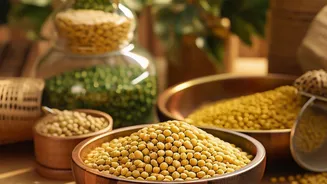
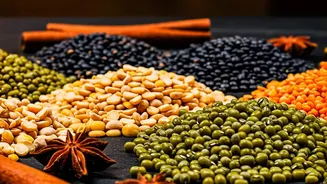
Moong dal, whether yellow or green, is a nutritional powerhouse hiding in plain sight. It is celebrated for being an excellent source of plant-based protein, crucial for muscle repair and growth. A single 100-gram serving of raw moong dal contains roughly
24 grams of protein. Beyond protein, it is packed with dietary fibre, which aids digestion and promotes a feeling of fullness, making it a valuable ally in weight management. This legume is also rich in essential micronutrients like folate, iron, magnesium, and potassium, which support everything from blood circulation to heart health. Its low glycemic index helps in regulating blood sugar levels, preventing the sharp spikes associated with refined carbohydrates.
Breaking the Dal Rut
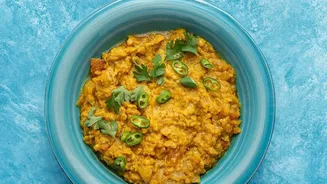
While a classic dal is nourishing, dietary fatigue is real. Consuming the same food in the same format can become monotonous, leading us to seek less healthy options for the sake of variety. This is where reimagining staple ingredients becomes a game-changer for our health and our taste buds. Shifting moong from its traditional liquid dal form to a solid format like a chilla (a savoury pancake) is a simple yet effective way to diversify your protein intake. This transformation isn't just about a new recipe; it's about a new way to structure your meal and enhance its nutritional profile.
Enter the Moong Dal Chilla
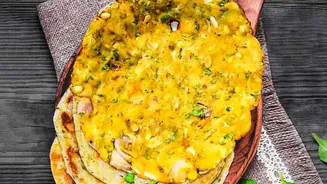
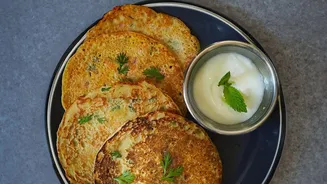
A moong dal chilla is made from a batter of soaked and ground lentils, seasoned with spices, and cooked on a pan like a thin pancake. This simple swap provides a host of benefits. Nutritionally, it offers a more concentrated form of protein compared to cooked dal, which has a higher water content. For instance, two medium-sized chillas can provide around 12 to 15 grams of protein, making it a substantial, muscle-friendly meal. It's also incredibly versatile. You can add chopped vegetables like onions, capsicum, and spinach to the batter for extra vitamins and fibre, or stuff the cooked chilla with paneer for an even bigger protein boost. This makes it a complete meal in itself, perfect for a power-packed breakfast or a light dinner.
A Smart Swap for Modern Diets
Switching from dal to chilla can be a strategic move for various health goals. Because a chilla can be a standalone meal, it often replaces the need for large portions of rice or roti, potentially lowering the overall carbohydrate content of your meal. This is particularly beneficial for those managing their weight or blood sugar levels. Furthermore, moong dal is renowned for being one of the easiest lentils to digest. This gentle nature makes the chilla an excellent option for people with sensitive stomachs or digestive issues, providing nutrients without causing bloating or discomfort. It’s a meal that provides sustained energy, thanks to its blend of protein and complex carbs, keeping you full and focused for hours.
More Moong Magic
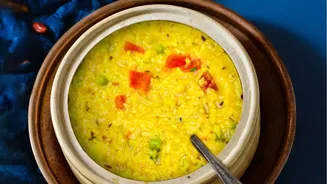
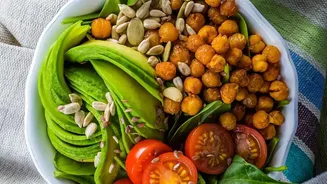
The chilla is just one example of moong's incredible versatility. The same soaked dal can be used to make savoury dhoklas, paniyarams (appe), or even a base for a hearty soup. Sprouted moong beans are a fantastic addition to salads, offering a crunchy texture and an enhanced nutritional profile. Roasted moong dal makes for a crunchy, guilt-free snack. From comforting dal and khichdi to innovative pancakes and salads, this single ingredient offers a spectrum of culinary possibilities that can keep your meals exciting and your body well-nourished.