

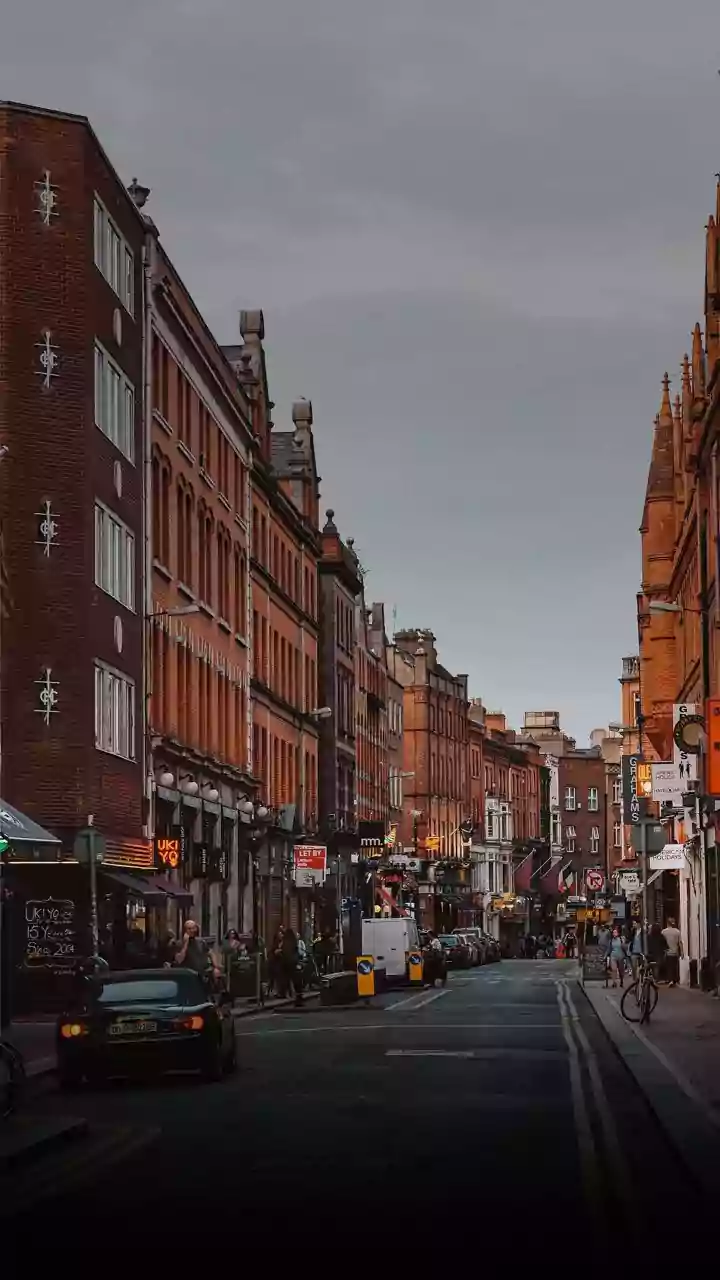





Imagine a city centre where the loudest sounds are chatter and footsteps, not car horns. Around the world, a quiet revolution is taking place as cities reclaim their streets for people, proving that less traffic means more life.
The Many Wins of Walkability
Before we journey to these
pedestrian havens, it is important to understand why this shift is happening. The benefits of making a city more walkable are immense and interconnected. Economically, pedestrian-friendly streets can boost retail sales by up to 40% as increased foot traffic leads to more customer engagement. Socially, these spaces foster a stronger sense of community; studies show that people in walkable neighbourhoods report higher levels of social interaction and trust. Environmentally, encouraging walking over driving drastically reduces carbon emissions and noise pollution. Perhaps most importantly, it improves public health. People in highly walkable areas are less likely to suffer from chronic health issues, and safer street designs, like shorter crosswalks, significantly reduce pedestrian accidents.
Copenhagen: The Trailblazer
Copenhagen is often seen as a pioneer of modern pedestrianisation. In 1962, the city made a bold and controversial move by converting its main thoroughfare, Strøget, into a pedestrian-only zone. At the time, shopkeepers were furious, believing that no cars would mean no customers. The reality was the exact opposite. The experiment was a resounding success, and what began as a temporary trial became permanent in 1964. The name 'Strøget' is a nickname for a series of connected streets that form a 1.1 km promenade through the heart of the old city. Its success sparked a city-wide transformation. Over the decades, Copenhagen has expanded its car-free network to over 100,000 square metres, proving that prioritising pedestrians can create a vibrant, successful, and liveable city core.
Ljubljana: The Green Revolution
Slovenia's capital, Ljubljana, offers a more recent but equally inspiring story. In 2007, the city began implementing its 'Vision 2025' plan by closing the entire city centre to motorised traffic. The decision was met with protests, but the mayor persisted. The move was part of a holistic strategy that included improving public transport and cycling networks. The results have been transformative. The car-free zone now covers over 17 hectares. Black carbon concentration has dropped by 70% in the area, and noise pollution has fallen dramatically. To ensure accessibility, the city introduced a fleet of free-to-use electric vehicles called 'Kavalir', which move slowly enough to be hailed like a taxi. This comprehensive approach earned Ljubljana the title of European Green Capital in 2016.
Pontevedra: The Radical Model
Perhaps one of the most radical examples is the Spanish city of Pontevedra. Since 1999, this city of around 83,000 people has systematically removed all but the most essential traffic from its 300,000-square_metre city centre. The model is famously simple: through_traffic is diverted, and surface parking has been eliminated in favour of underground and peripheral car parks. This strategy discourages drivers who are just passing through or searching for parking, which is a major cause of congestion. The results speak for themselves. CO2 emissions in the city have been reduced by over 70%, and there have been no fatal traffic accidents in the city centre since 2011. The quality of life has improved so much that the city has gained 12,000 new inhabitants, drawn by its vibrant and safe public spaces.
Barcelona: The Superblock Strategy
Barcelona is taking an innovative, grid_based approach with its 'superblocks' or 'superilles'. This concept takes a cluster of nine city blocks and radically restricts traffic within that zone. Through_traffic is routed around the superblock, while inside, the speed limit is reduced to 10 km/h, and priority is given to pedestrians and cyclists. The reclaimed road space is then transformed into public plazas, playgrounds, and green areas. This model allows the city to incrementally transform neighbourhood by neighbourhood without shutting down the entire city grid at once. The goal is to create more equitable, healthy, and sustainable spaces that put residents' quality of life first, moving away from a city designed around the car to one designed for people.