





The Danger of Deceptively Polished Websites
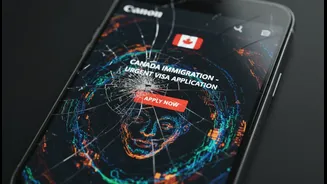
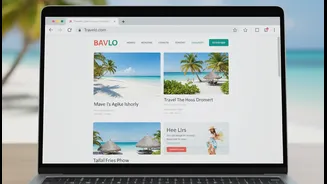
The days of spotting scams by their poor grammar and clumsy design are fading. Today’s fraudulent visa websites often appear at the top of search engine results, using official-looking logos, familiar colour schemes, and a professional layout to fool
even savvy applicants. These sites are not just after a processing fee; their primary goal is often to capture a wealth of personal data. This can include your full name, date of birth, home address, passport details, and credit card numbers—everything an identity thief needs. Once your data is compromised, it can be sold or used for further fraud, creating problems long after your travel plans are over. Some scams even involve follow-up calls where fraudsters impersonate embassy officials, using the data they've already stolen to sound more credible and extort more money.
Always Check the Web Address
The single most reliable way to verify a website's authenticity is to scrutinize its URL. Official government websites typically use specific top-level domains. For instance, official Indian government sites end in `.gov.in`, and U.S. government sites use `.gov`. Scammers often register domains that are deceptively similar, such as `india-visa-gov.in` or `indianvisaonline.org.in`, to trick users. Before entering any information, double-check that the domain is correct. The best practice is to avoid clicking on ads or unverified links from search results. Instead, find the official embassy or consulate website for your destination country and follow their links to the visa application portal. Also, ensure the website uses HTTPS, indicated by a padlock icon in the address bar, which means your connection is secure, though this alone does not guarantee the site is legitimate.
Beware of Unrealistic Guarantees and Fees
Legitimate government bodies and their authorized service providers never guarantee visa approval. If a website promises a 100% success rate, guaranteed approval, or an impossibly fast processing time, it is a major red flag. Fraudulent sites often create a false sense of urgency, pressuring you to act quickly before you have time to think. Pay close attention to the fee structure as well. Official visa application forms are often free to download from government websites. Scammers might charge exorbitant fees for the forms themselves or demand payment through insecure or unusual methods, like wire transfers, cryptocurrency, or gift cards. Official portals will always use secure, authorised payment gateways. If the payment process feels unprofessional or asks for more information than necessary, abandon the transaction.
The Consequences of Falling Victim
The fallout from using a fake visa website can be severe. At best, you lose the money you paid for a non-existent service. At worst, you face identity theft and long-term financial vulnerability. Furthermore, submitting your details to a fraudulent site means you haven't actually applied for a visa, which could ruin your travel plans. In some scenarios, if fraudulent information is submitted to official channels by a third party on your behalf without your knowledge, you could be held responsible. This can lead to being barred from entering the country in the future or even facing legal action. The responsibility for the information on your application ultimately rests with you, even if an agent or website filled it out.