







The Invisible Ripener: What Is Ethylene?
The secret behind your suddenly ripe (or overripe) fruit is a natural plant hormone called ethylene gas. It’s a colourless, odourless gas that many fruits produce as they mature. Think of it as a signal that tells the fruit to start the final stage of its life
cycle. This process, called the 'climacteric', is when the fruit’s starches convert into sugars, the flesh softens, and the skin changes colour. Ethylene is essentially the ripening trigger, and its presence creates a feedback loop: as a fruit ripens, it produces more ethylene, which in turn encourages even faster ripening in itself and any sensitive produce nearby. This is why the old saying “one bad apple spoils the bunch” is scientifically accurate; a rotting or overripe apple releases a large amount of ethylene, accelerating spoilage in its neighbours.
Meet the Ripening Crew: High Ethylene Producers
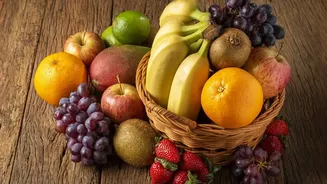
Some fruits are notorious for being heavy ethylene producers. Apples are one of the most well-known culprits, constantly emitting the gas and influencing their neighbours. But they are far from alone. Other powerful ethylene emitters include ripe bananas themselves, avocados, melons (especially cantaloupe), pears, peaches, plums, and tomatoes. These are the fruits that can act as natural ripeners in your kitchen. Storing these items together can lead to a very fast-ripening fruit bowl. While this is sometimes undesirable, you can also use it to your advantage when you have hard, underripe fruits that you want to enjoy sooner rather than later. Commercially, ethylene is used in a controlled way in special ripening rooms to get fruits like bananas to the perfect stage for selling.
The Sensitive Bunch: Produce Affected by Ethylene
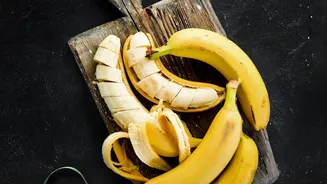
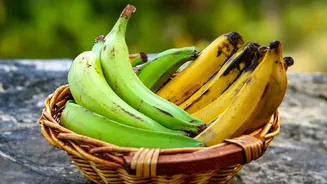
Just as some fruits are big producers of ethylene, others are highly sensitive to its effects. Bananas are a prime example of a fruit that is both a producer and highly sensitive, which is why a single banana in a bunch will ripen much faster than if it were separated. But many other fruits and vegetables will also react to ambient ethylene. Sensitive produce includes leafy greens like lettuce and spinach, which can turn yellow and wilt. Broccoli and cauliflower can develop dark spots, while carrots can become bitter and asparagus can turn tough and woody. Cucumbers and squash are also prone to yellowing and developing soft spots when exposed to the gas. Even apples, which are high producers, are sensitive to their own gas and can become mealy or lose their crispness with prolonged exposure.
Speeding Things Up: How to Ripen Fruit on Demand
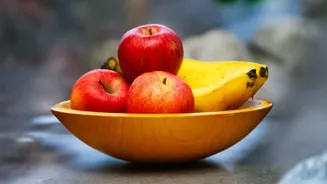
Now that you know the science, you can become the master of your fruit bowl. If you have a hard avocado, an underripe mango, or green bananas you want to use for banana bread, you can speed up the process. The classic trick is to place the underripe fruit in a paper bag with a high-ethylene producer like an apple or a ripe banana. The bag traps the ethylene gas, concentrating its effects and accelerating the ripening process significantly. You should see results in a day or two. If you don't have a paper bag, placing the fruits together in a bowl and covering it with plastic wrap can also work, though a paper bag is better as it allows some air to circulate and prevents moisture build-up.
Slowing Things Down: Keeping Fruit Fresh for Longer
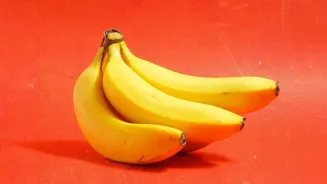
Conversely, if you want to prevent your produce from spoiling too quickly, separation is key. The most important rule is to store high-ethylene producing fruits away from ethylene-sensitive ones. Don't store your apples and bananas right next to your broccoli or salad greens. To keep a bunch of bananas from ripening all at once, you can separate them and even wrap the individual stems in plastic wrap, as much of the ethylene is released from there. Storing produce in the refrigerator also helps, as lower temperatures slow down the production of ethylene and reduce the sensitivity of produce to the gas. By being mindful of which fruits and vegetables are stored together, you can extend the life of your groceries, reduce food waste, and save money.