





The Dawn of Credit on UPI
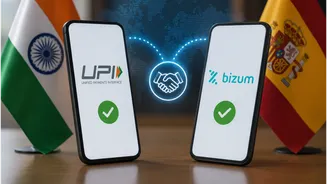
The next evolution in India's digital payment ecosystem is the integration of credit lines with UPI. In September 2023, the Reserve Bank of India (RBI) officially allowed banks to offer pre-sanctioned credit facilities through the UPI network. This means
that instead of payments being debited only from your bank account, you can now pay directly from a pre-approved credit limit provided by your bank. Think of it as a virtual credit card embedded within your favourite UPI app. When you scan a QR code, you can choose to pay from this credit line instead of your savings, settling the amount with the bank later, often at the end of a billing cycle. This move, governed by the National Payments Corporation of India (NPCI), aims to deepen financial inclusion and make small-ticket credit more accessible.
The Undeniable Appeal
The benefits of this system are immediately obvious. For consumers, it offers instant access to credit without the need for a physical card or lengthy loan applications. It’s perfect for bridging short-term cash flow gaps, handling unexpected expenses, or making purchases when your bank balance is low. The process is designed to be seamless; if you're eligible, your bank offers you a limit, you link it to your UPI ID, and it appears as just another payment option. This simplicity democratises access to revolving credit, especially for a new generation of users who are mobile-first and may not have a traditional credit card. For the economy, it promises to fuel consumption and bring more transactions into the formal digital framework.
The Psychology of a Single Tap
Herein lies the crux of the issue. The greatest strength of credit-linked UPI—its frictionless nature—is also its most significant risk. Psychologists and consumer behaviour experts have long known about the "pain of paying." Handing over physical cash feels more tangible and, therefore, more painful than swiping a card. Digital payments have already reduced this friction significantly. Credit on UPI takes it a step further. The act of borrowing is reduced to a single, seamless tap, indistinguishable from a regular payment. This near-total removal of friction can encourage impulse buying and lead people to spend more than they otherwise would. Studies on similar 'Buy Now, Pay Later' (BNPL) schemes show that when the cost is fragmented into small, manageable-looking payments, our brain's natural brake on overspending is disarmed. A survey found that nearly half of consumers spend more when the checkout process is fast and frictionless.
When 'Free' Becomes Expensive
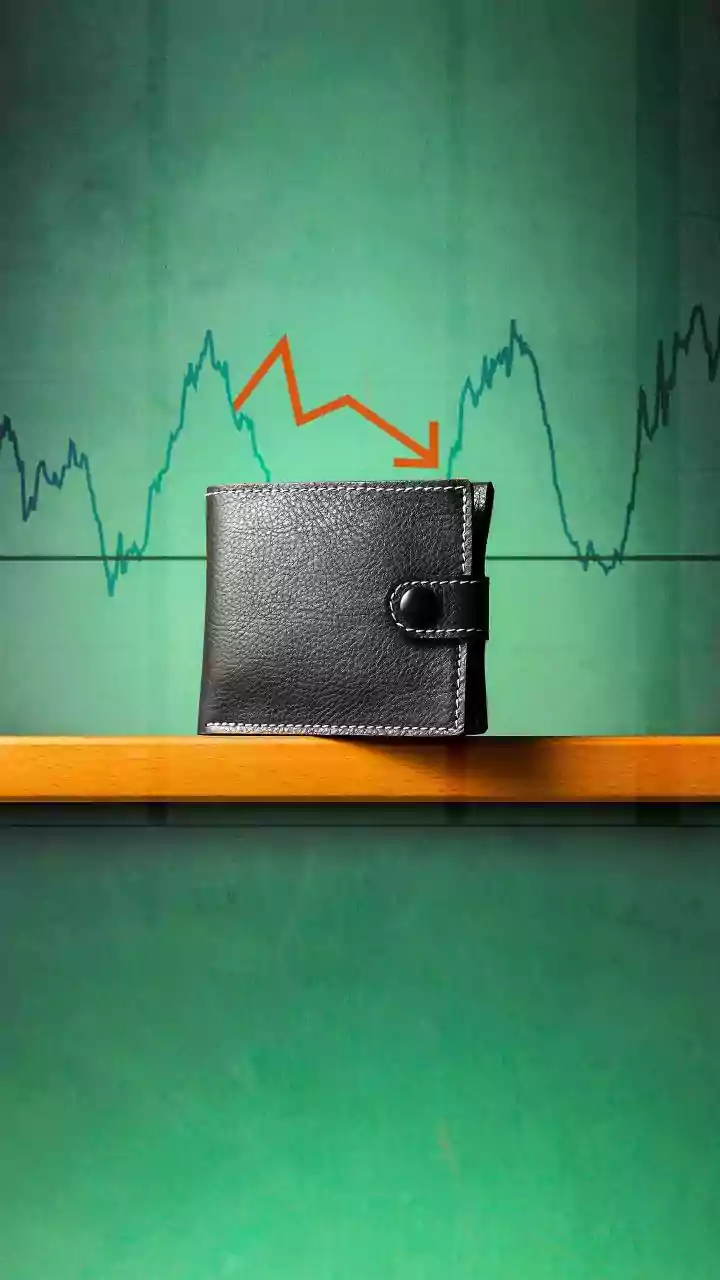
The convenience of tapping to borrow can make the act of taking on debt feel almost free at the point of sale. However, this credit is far from free. While many services offer an interest-free period, failing to repay on time can trigger high interest rates and steep late fees, with some BNPL schemes charging annualised rates as high as 30-40%. A user might make several small-ticket purchases on credit, not realising the aggregate debt they are accumulating. By the time the bill arrives, the total amount can be a shock, potentially pushing financially undisciplined or unaware consumers into a debt cycle. The very ease that encourages adoption also makes it easier to fall into a trap, with missed payments potentially damaging one's credit score.
A Blueprint for Responsible Innovation
The goal is not to halt this innovation, but to guide it responsibly. The RBI has already taken steps, clarifying in June 2026 that all credit facilities, regardless of being routed through UPI, must adhere to the same prudential norms as traditional loans. This closes regulatory loopholes but doesn't fully address consumer behaviour. To truly protect users, the ecosystem—banks, fintechs, and the NPCI—must go further. A crucial step is to deliberately design 'good friction' into the system. For instance, every credit-based transaction could trigger a pop-up stating, "You are borrowing ₹X. This amount is due on [Date]." The total outstanding credit could be prominently displayed on the app's home screen. Mandating clear, unmissable disclosures about interest rates, processing charges, and late payment penalties before the transaction is confirmed is vital. Financial literacy prompts and spending analytics could also help users make more informed decisions, ensuring the tool empowers rather than ensnares.