





A Dress Rehearsal for Space
The critical pre-launch test, known in the aerospace industry as a "wet dress rehearsal," is one of the final major milestones before a crewed flight. The term "wet" refers to the process of fully loading the SpaceX Falcon 9 rocket with its cryogenic
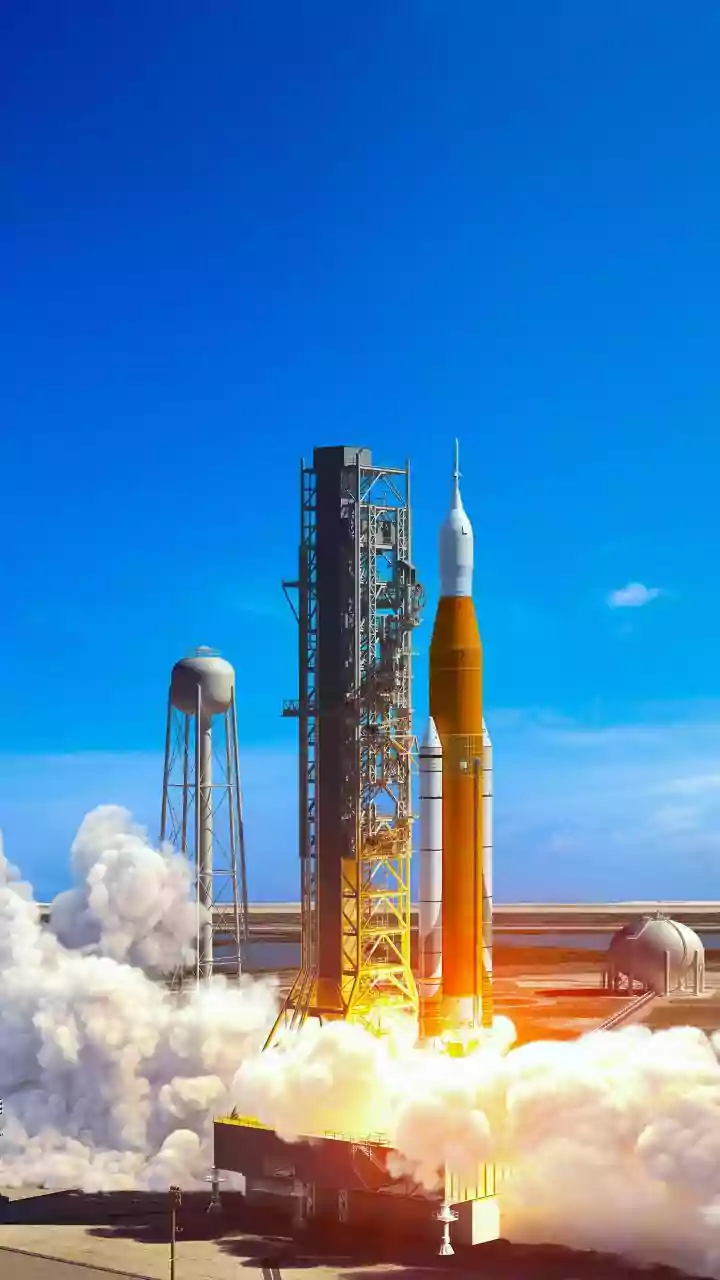
propellants — super-cooled liquid oxygen and rocket-grade kerosene. Teams on the ground treat the day exactly like a real launch, running through every step of the countdown sequence. The astronauts board the Crew Dragon capsule, seal the hatch, and communicate with mission control as if they were moments from liftoff. The only things missing are the final commands for engine ignition and the actual launch. This full-scale simulation allows engineers and the launch team to verify that the rocket, the spacecraft, ground support systems, and all personnel are ready for the real event.
Why Practice Makes Perfect
The primary goal of a wet dress rehearsal is to catch any potential issues on the ground rather than in the air. By running through the entire countdown, including holds and simulated scrubs, teams can identify and resolve problems with fueling procedures, software, communications, or hardware. For Crew-13, this practice run was especially important. The mission's launch was previously delayed from a September 12 target after a leak was discovered in the propulsion system of the Crew Dragon spacecraft, named "Grace". Successfully completing this rehearsal confirms that the necessary repairs and checks have been effective, clearing a major hurdle for the mission to proceed. It’s a methodical, safety-first approach that has become standard practice for ensuring astronaut missions are as safe as possible.
Meet the International Crew-13
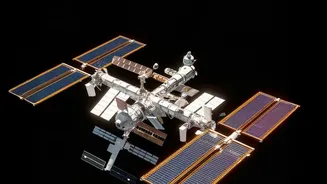
The four astronauts of Crew-13 represent a continuation of international cooperation in space. The crew is led by NASA astronaut Jessica Watkins, serving as mission commander on her second spaceflight. She is joined by NASA pilot Luke Delaney, a former naval aviator on his first mission to space. The two mission specialists are Joshua Kutryk of the Canadian Space Agency (CSA) and cosmonaut Sergey Teteryatnikov of Russia's Roscosmos. For both Kutryk, a former fighter pilot, and Teteryatnikov, this will also be their inaugural spaceflight. Their mission aboard the International Space Station (ISS) is scheduled to last for approximately six months, where they will join the Expedition 75 crew.
Science in Orbit
Once aboard the ISS, the Crew-13 astronauts will be busy with a wide range of scientific experiments and maintenance tasks. Their research is designed to benefit life on Earth and prepare for future long-duration missions to the Moon and Mars. According to Dana Weigel, NASA's Low Earth Orbit Program manager, the crew will work on studies related to heart disease and Parkinson's by observing human stem-cell tissues in microgravity. They will also conduct research into crop production in space, which is vital for sustaining future deep-space exploration, and test new medical diagnostic tools to monitor crew health. Other investigations include studying how weightlessness affects blood flow to better understand and mitigate risks for astronauts on long missions.
What Happens Next
With the successful completion of the wet dress rehearsal, NASA and SpaceX officials have given the "go" to proceed toward launch after a final Launch Readiness Review. The mission is now targeting liftoff for no earlier than 11:10 a.m. EDT on Thursday, October 1, from Space Launch Complex 40. However, the final decision is still subject to weather conditions, which are being closely monitored. Current forecasts show a 55-60% chance of favorable conditions at the launch window. If the launch proceeds on schedule, the Crew Dragon is expected to dock with the ISS in just under eight hours, potentially setting a new record for the fastest trip by a U.S. spacecraft to the station.