



A Strategic Waterway Under Fire
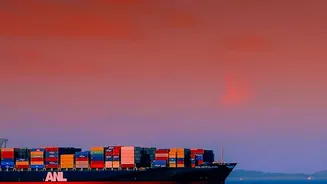
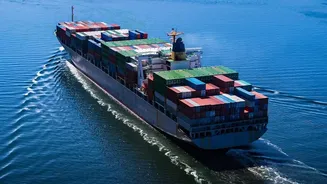
The Black Sea has long been a critical corridor for the global food trade, with a significant percentage of the world's wheat, corn, barley, and sunflower oil passing through its ports. For years, nations have relied on this passage for predictable and efficient
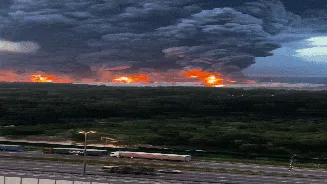
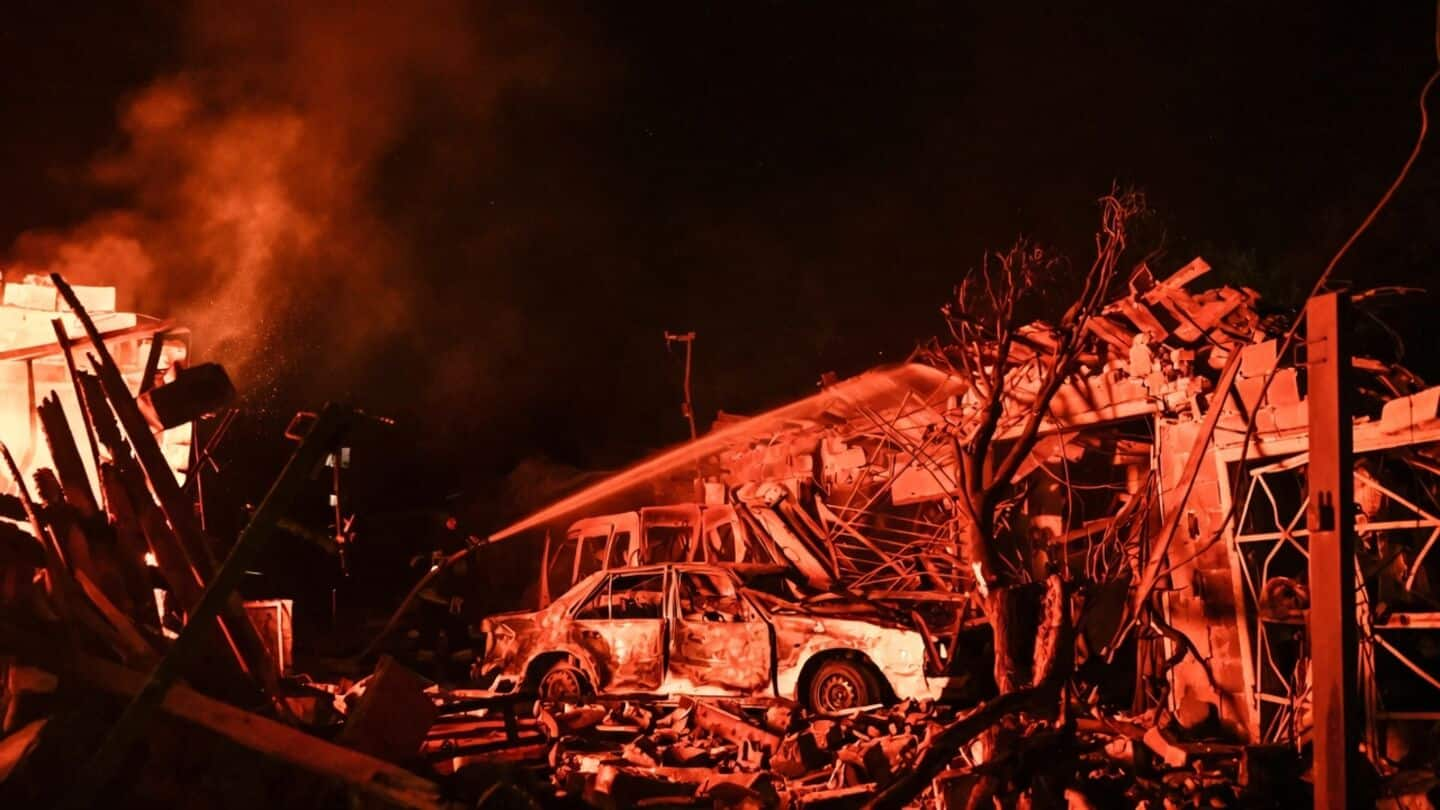
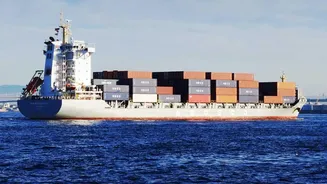
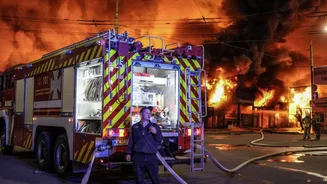
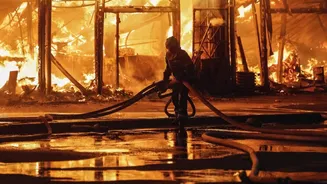
shipments from both Ukraine and Russia, two of the planet's most important agricultural exporters. However, recent escalations in conflict have turned this commercial highway into a contested zone. Frequent attacks on port infrastructure and commercial vessels by both sides have made navigating the sea a high-risk gamble. This has led to a sharp increase in war risk insurance premiums for shipping companies, with costs sometimes quadrupling and making many voyages economically unviable. As a result, what was once a reliable flow of essential goods has become dangerously unpredictable.
The Global Domino Effect
When a key trade route like the Black Sea is disrupted, the impact is felt far beyond its shores. Countries in the Middle East and North Africa, which are heavily dependent on Black Sea grain, face the immediate threat of shortages and price shocks. The breakdown of orderly trade affects global supply chains, forcing buyers to seek alternative, often more expensive, sources. Ukraine's agricultural export forecast for the 2026-27 season has been slashed by more than half, a staggering reduction that reverberates through global markets. This sudden drop in supply puts immense pressure on other major food-producing nations to fill the gap, tightening the overall availability of essential commodities and threatening to push millions into acute food insecurity.
The Challenge of Finding Alternatives
With sea routes compromised, Ukraine is scrambling to find other ways to get its harvest to the world. Efforts are underway to expand overland routes via rail and road through neighbouring European Union countries like Poland, Romania, and Moldova. However, these alternatives are fraught with challenges. Logistically, they are far more complex and expensive, with one Ukrainian minister estimating the added costs could reach $3 billion. Furthermore, these routes can only handle about half of the volume that was previously shipped through Ukraine's major Black Sea ports. The primary alternative, using Danube River ports, is also facing its own crisis, with record-low water levels due to drought severely limiting the capacity of barges. This leaves a massive logistical bottleneck, with Ukrainian farmers facing full storage silos and an inability to get their products to market.
Why This Matters for India
While India is largely self-sufficient in grains like wheat, the instability in the Black Sea has direct consequences for Indian households, particularly when it comes to edible oils. India is a major importer of sunflower oil, a significant portion of which has historically come from the Black Sea region, especially Ukraine. Recent disruptions have already contributed to a noticeable spike in domestic edible oil prices. The volatility also extends to fertilizers, as Russia is a key global supplier. Any sustained increase in fertilizer costs can raise the cost of cultivation for Indian farmers, potentially leading to higher food prices across the board in subsequent seasons. This external shock adds another layer of complexity to managing domestic inflation and ensuring food affordability for hundreds of millions of people.
An Uncertain Path Forward
The situation remains fluid and highly volatile. Both Ukraine and Russia are now targeting each other's export capabilities, turning the conflict into a two-way port war. Ukraine has reportedly proposed a truce on attacks against civilian shipping, but Moscow has shown little interest so far. For now, every cargo leaving the region carries an implicit war-risk premium, and global commodity traders are watching with bated breath. Even if a diplomatic solution were found tomorrow, the damage to infrastructure and the erosion of trust would take significant time to repair. The recent events serve as a stark reminder of how interconnected the world's food system is and how a regional conflict can quickly become a global crisis.