



The 2026 Bloom: A Tale of Two Cycles
Chatter about a 2026 Neelakurinji bloom might seem confusing, especially since the last widely publicised event at Eravikulam National Park was in 2018, putting its next bloom on track for 2030. However, the evidence is clear: a different population of
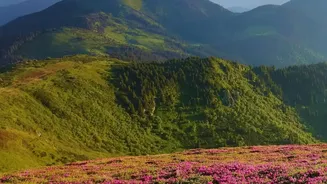
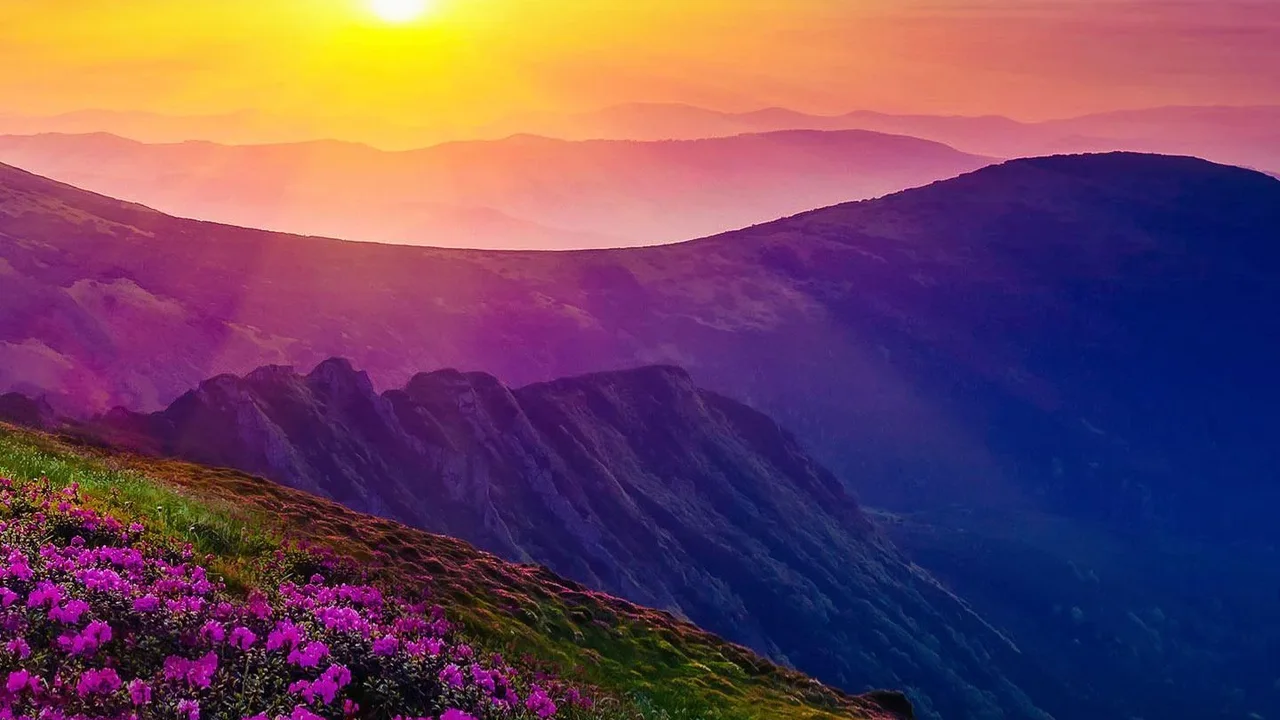
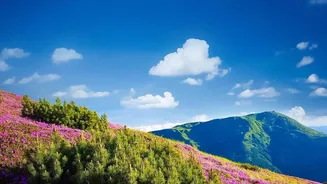
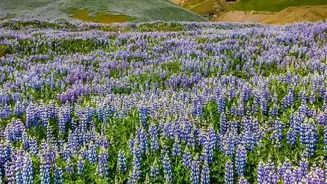
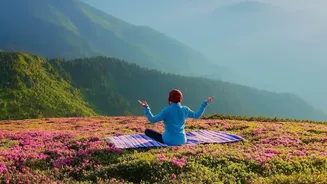
the same flower, with its own 12-year clock, is currently carpeting the hillsides. This year’s spectacle is concentrated in areas like the Chokramudi and Korandakkad hills near Mattupetty. This specific cluster of Strobilanthes kunthiana last flowered in 2014, making 2026 its scientifically anticipated return. Forest officials confirmed the start of the flowering season in August, with visitor access to designated areas like the Kurinji Garden at Chokramudi opening shortly after.
The Science of a Synchronised Spectacle
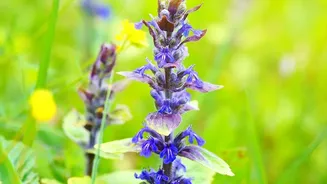
What makes the Neelakurinji so special is its unusual life cycle, a phenomenon known as gregarious or mass flowering. For 11 years, the shrub grows quietly on the high-altitude shola grasslands of the Western Ghats. Then, in the 12th year, an unknown biological trigger causes millions of plants across a specific population to flower all at once. After this brief, glorious bloom—which typically peaks between September and October—the plants produce their seeds and then die, completing their life's purpose. The seeds then lie dormant before sprouting to begin the 12-year cycle all over again, ensuring the survival of the species. This mass seeding is thought to be an evolutionary strategy to overwhelm seed predators, ensuring enough seeds survive to become the next generation.
More Than Just a Flower
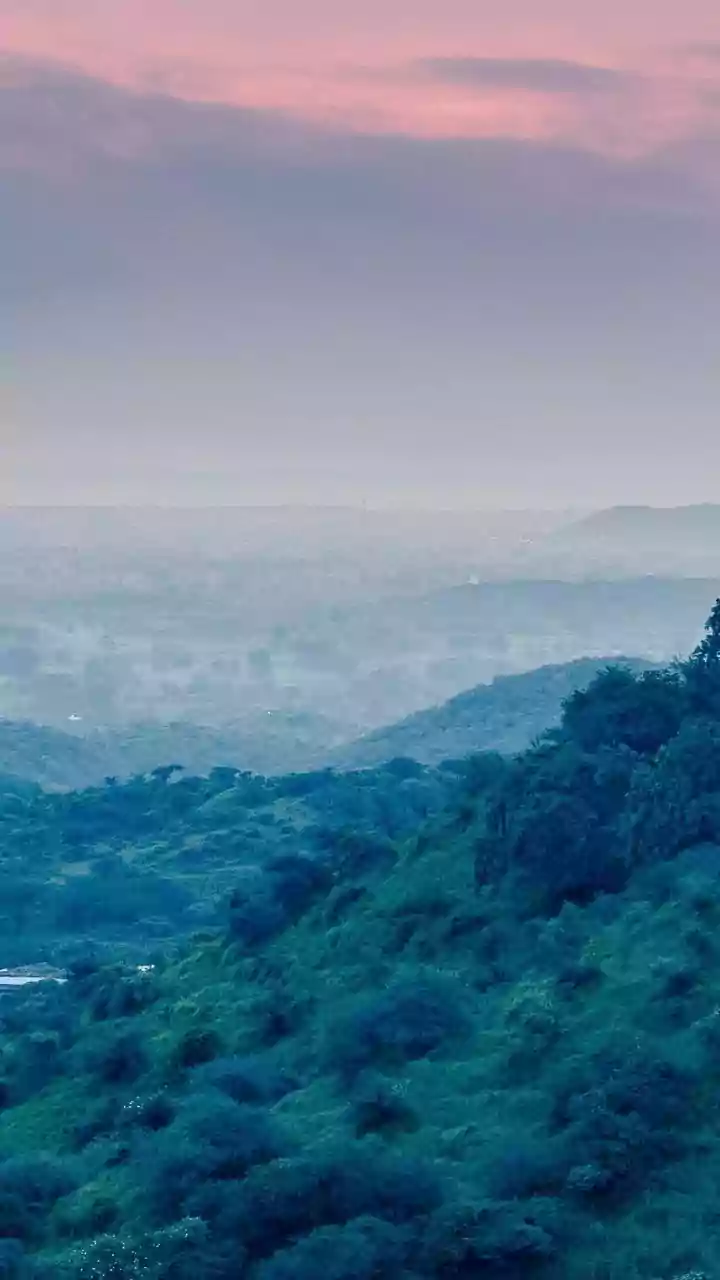
The name 'Neelakurinji' itself is a compound of 'neela' (blue) and 'kurinji' (a local name for the flower). It’s so integral to the region that it is believed to have given the Nilgiri Hills, or 'Blue Mountains', their name. For local tribal communities like the Muthuvan and Paliyan, the bloom is deeply woven into their culture and has historically been used as a natural calendar to calculate their age. Ecologically, the event is vital. The mass flowering supports a sudden boom in pollinator populations, especially for native bees. The honey produced during this period is considered particularly rare and valuable. After the flowering, the dense thicket of withered plants helps prevent soil erosion on the steep grassy slopes.
Planning a Visit: What to Know
With the bloom confirmed, visitor interest is high. The peak flowering is expected through September and October 2026. Unlike the 2018 event, the main viewing areas for the 2026 bloom are outside the core area of Eravikulam National Park, focused instead on the hills near Mattupetty and Chokramudi. Officials have established designated viewing points and trekking trails, such as the Chokramudi Bison Valley Trail, to manage the influx of tourists. Entry fees are in place, and because these are fragile ecosystems, authorities are enforcing strict rules. Visitors are urged to book transport and accommodation well in advance, as Munnar becomes exceptionally crowded during this period.
A Fragile Spectacle: The Need for Responsible Tourism
The very habitat that supports the Neelakurinji is under threat from agriculture, development, and invasive species. In fact, Strobilanthes kunthiana was recently assessed for the IUCN Red List and classified as a vulnerable species, highlighting the need for its protection. Kerala Tourism and the Forest Department strongly advise visitors to be responsible. This means sticking strictly to marked trails, not plucking or trampling the flowers, and adhering to no-plastic zone regulations. Every flower left untouched ensures it can produce seeds for the next generation, which for this specific population, will not appear again until around 2038. Admiring the bloom from a distance is the best way to ensure this natural wonder continues for centuries to come.