






The Rumor and The Official Rebuttal
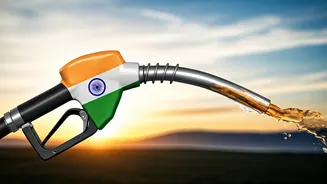
Over the past week, reports emerged, initially from a Bhutanese news outlet, suggesting that Bhutan had declined an offer from Indian Oil Marketing Companies (OMCs) to import E20 petrol. These reports, amplified by social media and political commentary
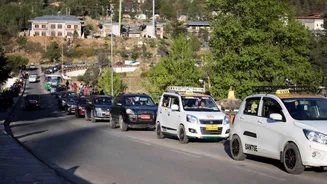
in India, claimed Bhutan had requested to continue receiving conventional petrol due to concerns over its aging fuel storage infrastructure and the performance of vehicles in its mountainous terrain. In response, India's Ministry of Petroleum and Natural Gas issued a swift and direct clarification on July 5, 2026, labelling the claims as "incorrect." The ministry stated unequivocally that "No such offer has been made by the Oil Marketing Companies (OMCs), and there is no proposal for export of E20 petrol to Bhutan." This official denial was aimed at quelling the misinformation and reaffirming that formal diplomatic and commercial channels had not been engaged on this matter.
Decoding India's E20 Mission
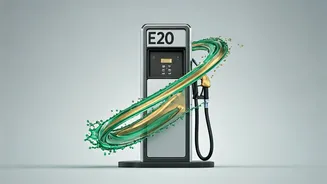
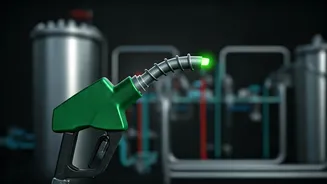
The backdrop to this entire episode is India’s major strategic shift towards ethanol-blended petrol. E20 fuel is a mixture of 80% petrol and 20% ethanol, an alcohol produced from agricultural sources like sugarcane, maize, and surplus food grains. India's National Policy on Biofuels has aggressively pushed for this blend, advancing its target for a nationwide E20 rollout to 2025, five years ahead of the original schedule. The goals are threefold: to reduce the country’s heavy reliance on imported crude oil, thereby saving valuable foreign exchange; to lower vehicular emissions for a cleaner environment; and to provide an economic boost to farmers by creating a consistent demand for their produce. The government has backed this transition by ensuring that all new vehicles sold since April 2023 are E20 compatible.
Bhutan's Unique Energy Partnership with India
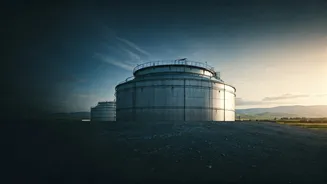
The India-Bhutan relationship is often cited as a model of good neighbourly relations, with energy as its cornerstone. For decades, this partnership has revolved around hydropower, with India providing financial and technical support to build major hydroelectric projects in Bhutan. In return, Bhutan exports its surplus clean energy to India, which has been a significant source of revenue for the Himalayan kingdom. However, Bhutan remains entirely dependent on India for its supply of petroleum products, including petrol and diesel. According to reports preceding the government's denial, Bhutanese officials had raised practical concerns about adopting E20. These included the hygroscopic nature of ethanol (its tendency to absorb water), which could pose a risk to older, underground fuel storage tanks, potentially leading to fuel contamination. Furthermore, questions were raised about consistent engine performance on the steep, demanding roads that characterize Bhutan's terrain.
Why The Clarification Is Significant
The Indian government's quick and public denial serves several purposes. Firstly, it shuts down a narrative that could have been misinterpreted as a rejection of Indian policy by a close and friendly neighbour. Secondly, it reinforces the formal and structured nature of bilateral agreements, suggesting that any future discussions on fuel specifications would happen through official channels, not media speculation. While Bhutanese news outlets stand by their reporting based on conversations with local officials, the Indian government's stance is that no formal OMC proposal exists. This distinction between informal soundings and a formal export proposal is crucial in diplomacy. The incident also highlights the complexities of rolling out a nationwide domestic policy that has cross-border implications, especially when a neighboring country's entire fuel supply is at stake. It underscores the need for careful coordination on infrastructure, vehicle compatibility, and long-term energy strategy between the two deeply integrated nations.