

The Calcium Champion
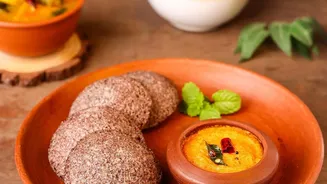
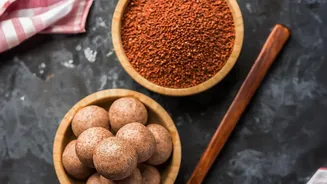
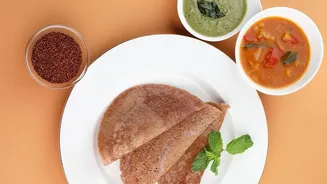
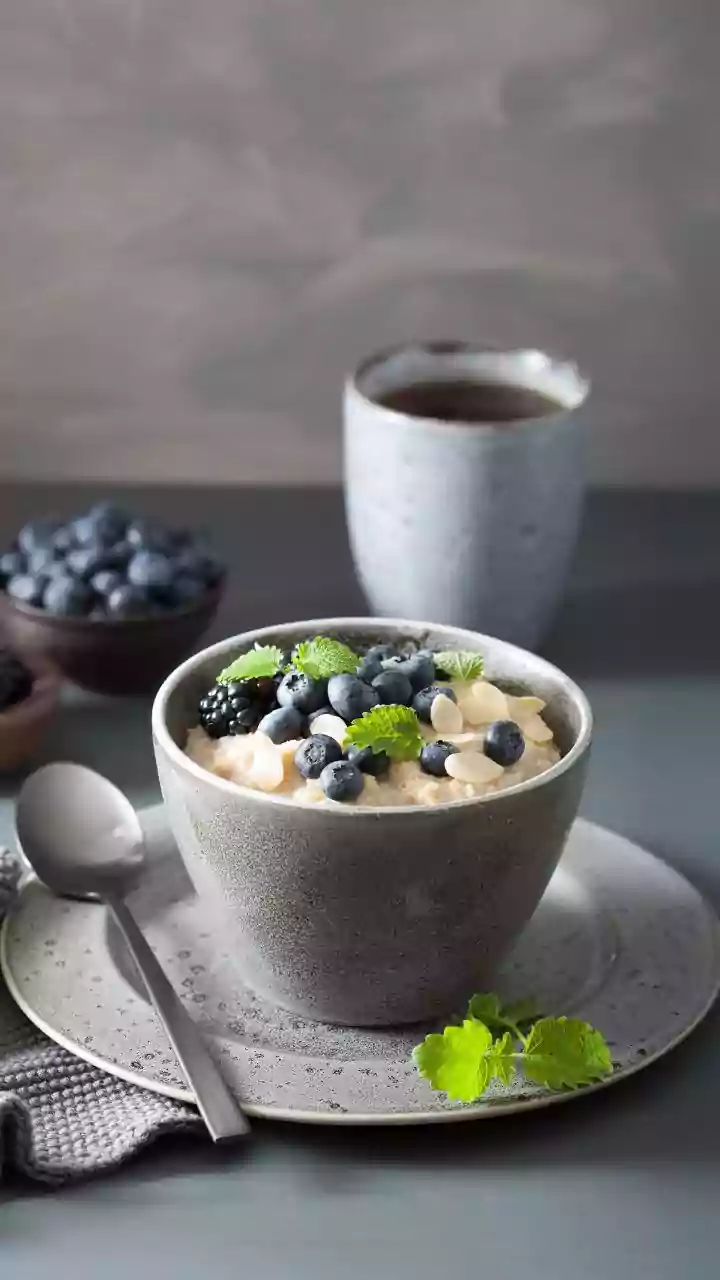
When it comes to bone health, one grain is the undisputed winner. Ragi, also known as finger millet, is a calcium powerhouse. A 100-gram serving of ragi contains approximately 344 mg of calcium, which is one of the highest amounts found in any cereal.
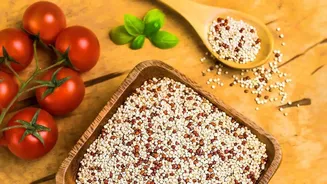
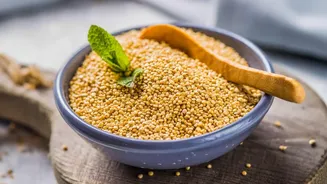
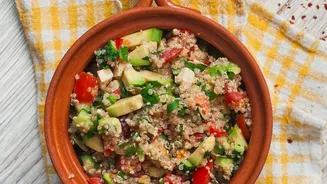
In stark contrast, the same amount of quinoa offers around 47 mg of calcium. For Indian diets, where calcium deficiency can be a concern, ragi provides a significant advantage, delivering nearly seven times more of this crucial mineral than its popular competitor. This makes it an exceptional food for growing children, women, and older adults who need to maintain strong bones.
The Protein Question
Quinoa's fame largely rests on its protein profile. It provides about 14 grams of protein per 100 grams and is considered a 'complete protein' because it contains all nine essential amino acids. Ragi offers a more modest 7 to 8 grams of protein per 100 grams. While quinoa clearly wins on the protein front, this doesn't tell the whole story in an Indian context. Traditional Indian meals rarely feature a grain in isolation. When ragi is paired with dal (lentils) or curd, the combination creates a complete protein profile, effectively closing the nutritional gap with quinoa at a fraction of the cost.
Fibre and Digestive Health
Both grains are excellent sources of dietary fibre, which is essential for good digestion, regulating blood sugar, and promoting a feeling of fullness. Here, the numbers are more competitive. Ragi contains about 11 grams of fibre per 100 grams, which can aid in weight management and maintain bowel regularity. Quinoa is not far behind, providing around 7 grams of fibre for the same serving size. Due to their high fibre content and low glycemic index, both grains are considered beneficial for individuals managing blood sugar levels.
Micronutrients, Cost, and Culture
Beyond the headline nutrients, the comparison reveals more nuances. Quinoa has an edge in some vitamins and minerals like iron and magnesium. However, certain millets often grouped with ragi, like pearl millet (bajra), contain significantly more iron than quinoa, a crucial factor given the prevalence of anaemia in India. The most practical difference for many households is the price. Quinoa, largely an imported grain, is significantly more expensive than ragi, which is locally grown across India. Ragi is deeply integrated into Indian culinary traditions, featuring in everything from rotis and dosas to porridge (kanji) and ladoos, making it an accessible and culturally familiar choice.