








An Unprecedented AI Gold Rush
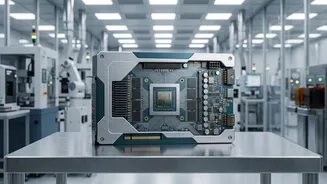
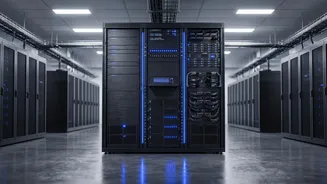
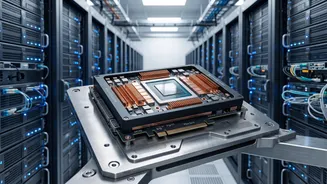
The numbers are staggering. Global investment in Artificial Intelligence is on track to hit historic highs in 2026, with some projections topping $1 trillion. This isn't just speculative venture capital; it's a massive, industry-wide pivot. Major corporations
are pouring billions into AI infrastructure, including data centers and specialized hardware. For many firms, AI has shifted from an experimental side project to a dedicated line item in the budget, with spending expected to grow significantly. This capital injection is fueled by the belief that AI will fundamentally reshape productivity, efficiency, and profits across every sector, driving the next wave of economic growth.
Meanwhile, A Deep Tech Winter Continues
Contrasting sharply with the AI investment frenzy is the persistent wave of layoffs across the technology sector. In 2026 alone, tech companies have eliminated over 200,000 positions globally. These cuts are not limited to struggling startups; they are happening at some of the world's most profitable companies, including Microsoft, Amazon, and Intel. The initial waves of layoffs in previous years were often blamed on correcting over-hiring during the pandemic. However, the cuts in late 2026 are increasingly described as a permanent structural shift. Companies are surgically trimming departments like middle management, corporate retail, and routine software testing to reduce costs and streamline operations.
The Great Reallocation of Resources
So, what connects the boom and the bust? It's less a contradiction and more a massive reallocation of capital and priorities. Companies are not just cutting costs; they are strategically redirecting those funds. The billions saved on payroll are being funnelled directly into AI infrastructure and talent. This is a fundamental shift in how tech companies operate, trading human payroll for what they see as higher-margin investments in automated systems and AI capabilities. In many cases, the 'AI' narrative is used to justify workforce reductions that may also be driven by investor pressure for higher profits or a simple desire for greater efficiency. The result is a shrinking safety net for many tech workers, who are finding it takes longer to find new roles.
Recession Fears and the Bubble Question
Looming over this industry churn are persistent questions about the broader economy. While the US economy has shown resilience, supported by strong consumer spending and AI-related investment, vulnerabilities remain. Inflation is still a concern, and there is a risk that the economy's strength is too concentrated in the tech boom. This has led many to ask if the AI investment frenzy is a bubble. Some analysts draw parallels to the dot-com era, pointing to the massive spending, soaring valuations, and the use of debt to finance the build-out. Others argue that today’s investments are backed by real earnings and tangible productivity gains, unlike the speculative fervor of the past. Even so, experts warn that many AI-focused firms with unsustainable financial models will likely fail.