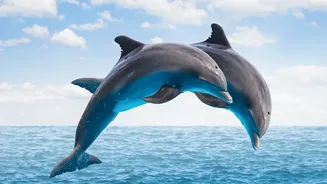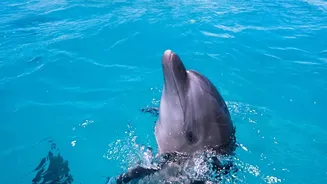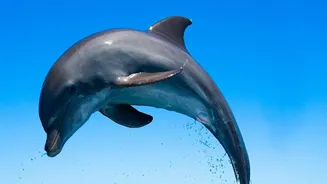







Chilika Lake, Odisha: Home of the Irrawaddy Dolphin
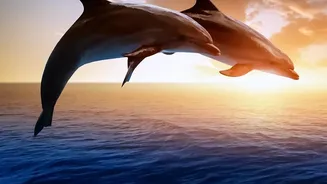
Often called India's dolphin capital, Chilika Lake is Asia's largest brackish water lagoon and a paradise for nature lovers. It is one of the only two lagoons in the world where the rare Irrawaddy dolphin can be seen, making it a globally significant
habitat. These dolphins, with their distinctive rounded heads and beaks, are a charismatic sight against the backdrop of the serene lake. Boat trips, especially in the early mornings from Satapada, offer the best chances of seeing them surface. According to a 2026 census, the lake is home to a stable population of 159 Irrawaddy dolphins, cementing its status as the world's largest single lagoonal population of this species. The best time to visit is from November to February, when the weather is pleasant and the lake also hosts flocks of migratory birds.
Vikramshila Sanctuary, Bihar: Protecting the Gangetic Dolphin
Along a 60-kilometre stretch of the Ganga near Bhagalpur lies the Vikramshila Gangetic Dolphin Sanctuary, India's only protected area for its national aquatic animal. Established in 1991, this sanctuary is a crucial stronghold for the endangered Gangetic river dolphin, a functionally blind species that navigates and hunts using echolocation. Spotting these shy creatures requires patience; they surface for only a moment. Early morning boat safaris offer the most tranquil conditions for a sighting. The sanctuary not only protects dolphins but also shelters freshwater turtles, otters, and a rich diversity of birdlife. The ideal time for a visit is between October and June, when the river is calm and sightings are more frequent.
National Chambal Sanctuary: A Riverine Haven
Flowing through Uttar Pradesh, Madhya Pradesh, and Rajasthan, the pristine Chambal River is another vital habitat for the Gangetic dolphin. The National Chambal Sanctuary is primarily known for protecting the critically endangered gharial, but it also provides a safe haven for India's national aquatic animal. A boat safari on the Chambal offers a unique opportunity to see these freshwater dolphins in a rugged landscape of ravines and sandy banks. While sightings require luck, the experience of gliding on one of India’s cleanest rivers is rewarding in itself. The sanctuary is also home to marsh crocodiles, numerous turtle species, and over 320 species of birds, making it a comprehensive wildlife destination.
The Coast of Goa: Sun, Sand, and Humpback Dolphins
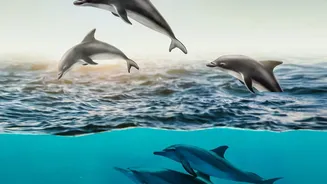
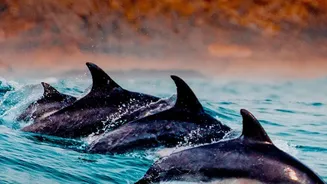
While famous for its beaches, Goa also offers fantastic opportunities for coastal dolphin watching. The waters off beaches like Sinquerim, Morjim, and Palolem are frequented by the Indo-Pacific humpback dolphin. These playful marine mammals are often seen in groups, leaping through the waves of the Arabian Sea. Numerous local operators offer early morning boat tours, which is the best time to see the dolphins when the sea is calm. A recent 2026 study noted the high density of humpback dolphins in the area, highlighting the complex relationship they have with both tourist boats and fishing nets. For a respectful and rewarding experience, visitors should opt for responsible tour operators who follow ethical wildlife viewing guidelines.
Andaman Islands: A Tropical Marine Paradise
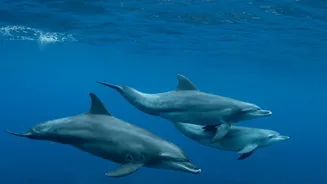
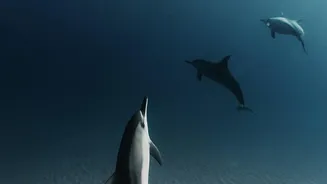
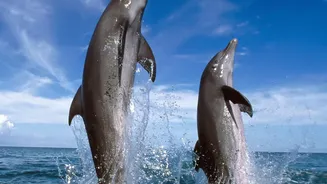
The crystal-clear turquoise waters of the Andaman and Nicobar Islands are a haven for diverse marine life, including several species of coastal dolphins. Spinner dolphins, famous for their acrobatic leaps and spins, are a common sight, along with bottlenose and Irrawaddy dolphins. Popular spots for dolphin watching include the waters around Havelock Island (Swaraj Dweep), Neil Island (Shaheed Dweep), and North Bay Island. Many tours combine dolphin spotting with trips to vibrant coral reefs, offering snorkeling or glass-bottom boat rides for a complete marine adventure. The ideal time to visit is between November and April, when sea conditions are calm and visibility is at its best.