






An End to the Security Shuffle
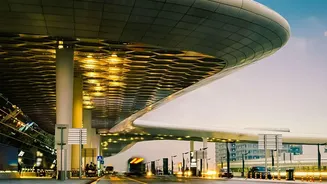
For years, the security checkpoint has been one of the most stressful parts of air travel. The hurried unpacking of electronics and the adherence to the strict 100ml liquid rule often create long queues and frustrated passengers. Now, Dubai International
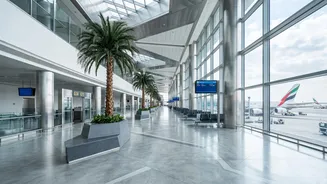
Airport (DXB), one of the world's busiest hubs, is implementing a solution designed to end this inconvenience. The airport is in the process of a major technology upgrade, installing new-generation CT (computed tomography) scanners across all its terminals. According to Dubai Airports CEO Paul Griffiths, the goal is to make the entire security process "slicker, quicker, faster, and more convenient" for everyone. This move signifies a shift from a tedious necessity to a more streamlined and passenger-friendly experience.
How the New Technology Works
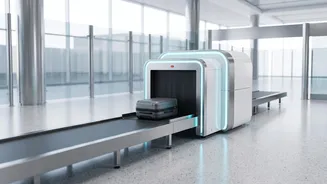
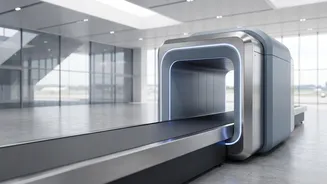
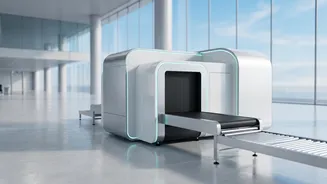
The new machines, such as the HI-SCAN 6040 CTiX, use advanced imaging technology similar to that found in the medical field. Instead of the flat 2D images produced by older X-ray machines, these CT scanners generate high-resolution 3D images of the contents of your carry-on luggage. This detailed, rotatable view allows security officers to inspect a bag's contents from every angle on a screen, making it much easier to identify potential threats without needing the items to be physically removed. Some systems are also enhanced with artificial intelligence, which helps analyze the images and flag bags that may require additional manual inspection, further speeding up the process for the majority of travellers.
What This Means for Your Next Trip
The single biggest change for passengers is the ability to keep approved liquids and most electronic devices, including laptops, inside their hand luggage during the screening process. This eliminates the most common bottleneck at security, drastically reducing queue times and the general chaos of unpacking and repacking bags. However, it's important to note that the rollout is gradual. Dubai Airports is replacing older machines as part of a continuous upgrade program across Terminals 1, 2, and 3. This means that for the time being, passengers may still encounter lanes with the older equipment. The key is to always follow the instructions of security staff on the day of travel. While the scanners are more advanced, the 100ml liquid container rule generally still applies, so travellers should continue to pack accordingly.
Part of a Broader 'Smart Travel' Vision
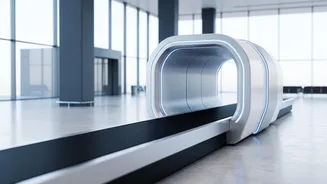
These new scanners are just one piece of Dubai's larger ambition to create a seamless, contactless journey for passengers. The airport has also been a pioneer in using biometrics. Initiatives like the 'Smart Tunnel' and other biometric corridors use facial recognition to allow passengers to clear immigration without presenting their passports. By integrating these technologies, the airport aims to create a travel experience where you can move from check-in to your boarding gate with minimal stops and interruptions. The investment in AI-powered scanners and biometric paths is about enhancing both security and passenger convenience, reinforcing Dubai's status as a hub for aviation innovation.