





What are Front-of-Pack Labels?
For years, the crucial details about what’s in our packaged food—calories, sugar, fat, and salt content—have been tucked away in dense nutritional tables on the back of the pack. Front-of-Pack Labelling, or FOPL, aims to change that. The core idea is
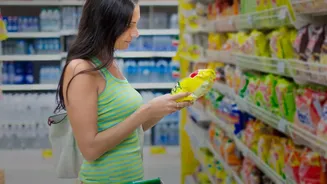
to place simple, easy-to-understand nutritional information right on the front, where shoppers are most likely to see it. This system uses graphics, text, or symbols to give consumers a quick snapshot of a product's health profile, helping them make informed choices without needing to decipher complex data during a busy grocery run. The goal is to provide clarity at a glance, a stark contrast to the detailed information currently available on the back.
The Push for Warning Labels
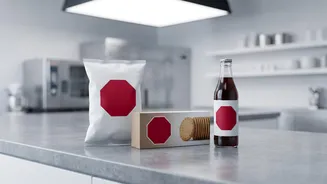
Public health experts and consumer advocacy groups are championing a specific type of FOPL: mandatory warning labels. Inspired by systems that have proven effective in countries like Chile, this model proposes clear, unmissable symbols—such as a black or red octagon—on products that exceed specified limits for sugar, salt, or saturated fat (HFSS). The argument is that these direct warnings are the most effective way to help consumers quickly identify unhealthy products. Proponents point to India’s escalating crisis of non-communicable diseases (NCDs) like diabetes and heart disease as a pressing reason for such a direct intervention. A recent Lancet study estimated that 450 million Indians could be overweight or obese by 2050, adding urgency to the call for policies that encourage healthier diets.
Industry Resistance and an Alternative Proposal
India's powerful food and beverage industry has strongly resisted the idea of stark warning labels. Industry associations argue that such labels are overly simplistic, may confuse consumers, and unfairly demonize certain foods. They contend that a large portion of packaged foods in India, potentially up to 80%, would end up with a negative warning, which they claim fails to account for the country's diverse cuisine and flavour profiles. As an alternative, the industry has advocated for a different system known as the Health Star Rating (HSR). This model, similar to energy ratings on appliances, would rate foods on a scale, for instance from half a star (least healthy) to five stars (healthiest). This approach, they argue, educates consumers about a product's overall nutritional profile rather than just singling out negative nutrients.
The Regulator's Role and the Supreme Court's Intervention
Caught in this tug-of-war is the Food Safety and Standards Authority of India (FSSAI), the country's food regulator. For years, the FSSAI has been deliberating on the issue. After initially proposing its own star-rating system, it has faced immense pressure from both sides. The debate has now reached the Supreme Court, which is hearing a Public Interest Litigation filed by health activists. The court has expressed growing impatience with the delays, repeatedly urging the FSSAI to finalize the regulations. In a recent hearing in August 2026, the court gave the regulator a firm two-week deadline to reconsider its stance and move towards decisive warning labels, rejecting arguments that they would be unsuitable for Indian foods.
What This Means for Your Grocery Shopping
The final decision will directly impact the look of supermarket aisles and the choices available to consumers. If mandatory warning labels are implemented, many popular items—from sugary drinks and sweets to salty snacks and instant noodles—could carry prominent 'High in Sugar' or 'High in Salt' symbols. This could empower consumers to make healthier split-second decisions and might also pressure manufacturers to reformulate their products to avoid the negative labels, as has happened in other countries. Conversely, if a star-rating system is adopted, shoppers will see products ranked on a health scale, a more nuanced approach that industry prefers but which health advocates fear lacks the clear, cautionary impact needed to curb the consumption of unhealthy foods.