







An Insatiable Thirst for Computing Power
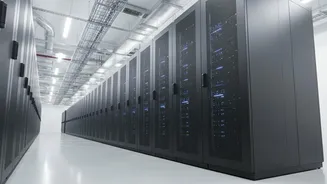
The engine of modern artificial intelligence runs on one thing: immense computational power, or 'compute'. Training and operating models like GPT-4 and its successors require processing capabilities on a scale that is straining the world's digital infrastructure.
For a long time, OpenAI has relied on partners, chiefly Microsoft Azure, to provide this power. However, the demand is growing at an exponential rate. OpenAI's leadership has openly admitted that a lack of compute is forcing them to turn down opportunities and make painful trade-offs between research and product development. Simply put, the explosive growth of AI applications has created a global shortage of the specialized hardware and data center capacity needed to run them, forcing OpenAI to find a new solution.
Inside the AI Super-Campus
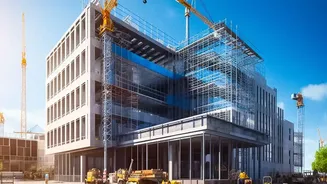
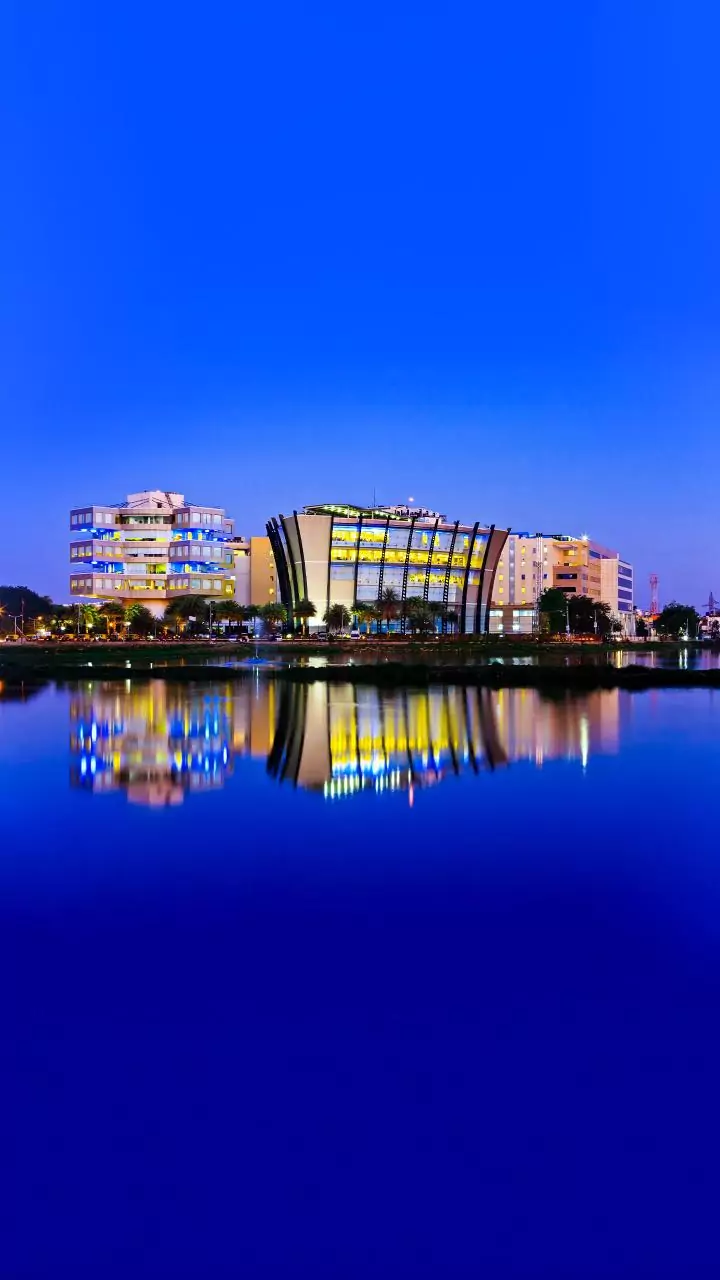
OpenAI's answer is to take control of its own destiny by building its own infrastructure. The most significant move is a massive data center campus planned for Georgia, dubbed Project Camellia. This isn't just another office building; it's a colossal facility designed to consume a staggering 3.2 gigawatts of power, phased in between 2028 and 2032. To put that in perspective, that's enough electricity to power millions of homes. The project is part of a wider, multi-billion dollar strategy, previously codenamed 'Stargate', aimed at securing the company's long-term compute needs. This move from leasing capacity to designing and owning the entire stack—from the physical building to cooling systems—allows OpenAI to optimize every component for its specific, high-performance AI workloads. The company has even been hiring data center experts from rivals to lead this charge.
A New Dynamic with Microsoft
This move inevitably raises questions about OpenAI's relationship with its biggest investor and primary cloud provider, Microsoft. Is this a sign of a looming split? The reality is more complex. While OpenAI is diversifying its infrastructure, its partnership with Microsoft remains crucial. In fact, some of these ambitious supercomputer projects are collaborations between the two giants. Microsoft is reportedly footing the bill for some of the most expensive undertakings, which could cost over $100 billion. The issue is not one of dissatisfaction, but of unprecedented scale. OpenAI's needs are becoming so vast that they exceed what any single provider, even a hyperscaler like Microsoft, can supply on its own. OpenAI will continue to be a massive customer of Azure, but it's also building its own parallel tracks to ensure it never hits a capacity ceiling again.
The New Arms Race: Infrastructure is King
OpenAI is not alone in this realization. Across the tech industry, the race for AI supremacy is fast becoming a race for physical infrastructure. Companies like Google, Meta, and Anthropic are all making enormous capital expenditures to secure land, power, and the all-important AI chips from manufacturers like Nvidia. This strategic shift marks a new phase of the AI boom, where controlling the physical supply chain is just as critical as writing innovative code. By building its own facilities, OpenAI gains more control over costs and performance, and crucially, reduces its dependency on any single supplier. It’s a declaration that in the world of artificial intelligence, those who own the digital factories will be the ones who define the future. The enormous investments signal that compute is now seen as the ultimate strategic asset.