


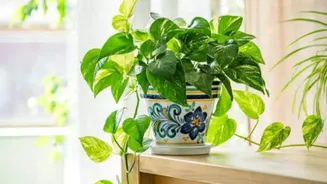
What Is a Houseplant Light Routine?
At its core, a houseplant light routine is about providing a consistent and appropriate amount of light each day. For many common houseplants, this means 12 to 16 hours of light followed by a necessary period of darkness. Plants use this dark period for
essential metabolic processes, similar to how humans need sleep. A routine can be managed simply by moving a plant to a better-lit window or, more precisely, by using a grow light connected to a timer. The goal is to mimic a plant's natural environment and provide the steady energy it needs for photosynthesis, the process of converting light into food. Without this energy, a plant can't thrive, no matter how well you water or feed it.
Problems a Light Adjustment Can Actually Fix
Changing your plant's light exposure is the perfect solution for a few very specific symptoms. The most obvious is 'legginess', where stems become long and stretched with large gaps between the leaves. This is the plant physically reaching for a light source. Similarly, if new leaves are consistently smaller and paler than older ones, it's a sign that the plant lacks the energy to produce full, vibrant foliage. For flowering plants, a failure to bloom is often directly related to insufficient light. And if you notice your plant is leaning heavily to one side, it's telling you its current position provides uneven light; regularly rotating it can fix this.
When It's Probably Not About the Light
Many common plant ailments are mistakenly blamed on lighting. If you see yellowing leaves, especially lower ones, overwatering is a more likely culprit than a lack of light. Conversely, scorched or bleached spots on the upper leaves that get the most sun exposure are a clear sign of too much direct light. Crispy, brown leaf tips or edges often point to a lack of humidity in the air, not a lighting issue. Indoor heating and air conditioning can create very dry environments that many tropical houseplants struggle with. Sudden wilting, if the soil is bone dry, is a straightforward sign of thirst. Finally, spots, webs, or visible insects indicate a pest problem that no amount of light can solve.
Creating a Realistic Light Strategy
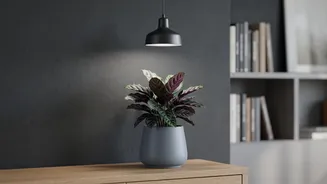
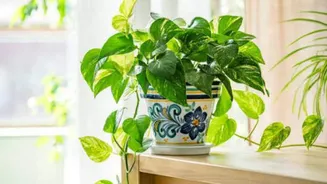
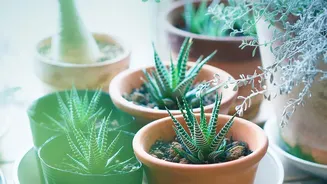
Before investing in expensive equipment, start by observing. Our eyes are poor judges of light intensity; a spot that seems bright to us may be quite dim for a plant. A south-facing window offers the most intense light, while an east-facing window provides gentler morning sun. North-facing windows offer the least light. Try moving a light-starved plant closer to a suitable window. If natural light is truly scarce, an LED grow light can be a game-changer. These are energy-efficient and provide the full spectrum of light that plants need. Position the light at the correct distance—typically 6-24 inches away, depending on its strength and the plant's needs—and use a simple timer to ensure a consistent daily cycle.
The Supporting Cast: A Holistic Approach
A perfect light routine means little if other conditions aren't met. Proper watering is crucial; always check the soil's moisture an inch or two down before adding more water to avoid root rot. Most houseplants thrive in a stable environment, away from sudden drafts from vents or open windows. Humidity is another unsung hero. Many popular houseplants are native to tropical regions and appreciate higher humidity than is found in the average home. Grouping plants together or using a small humidifier can make a significant difference. Ultimately, healthy plants come from a balanced approach where light works in harmony with water, humidity, and stable temperatures.